

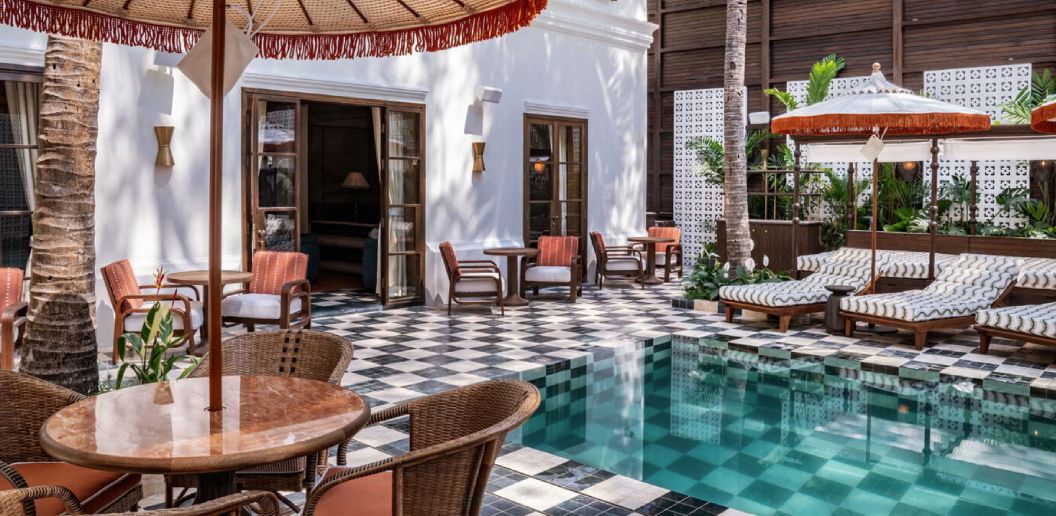
Bangkok’s private members’ clubs are no longer simply symbols of social standing — they are becoming the city’s most compelling luxury destinations in their own right.
There is a particular kind of luxury that announces itself quietly. No lobby thronging with guests, no queue at the bar, no obligation to share a view with strangers. Bangkok has always understood exclusivity, but the city’s private members’ clubs are now redefining what that word means — and the results are exceptional.
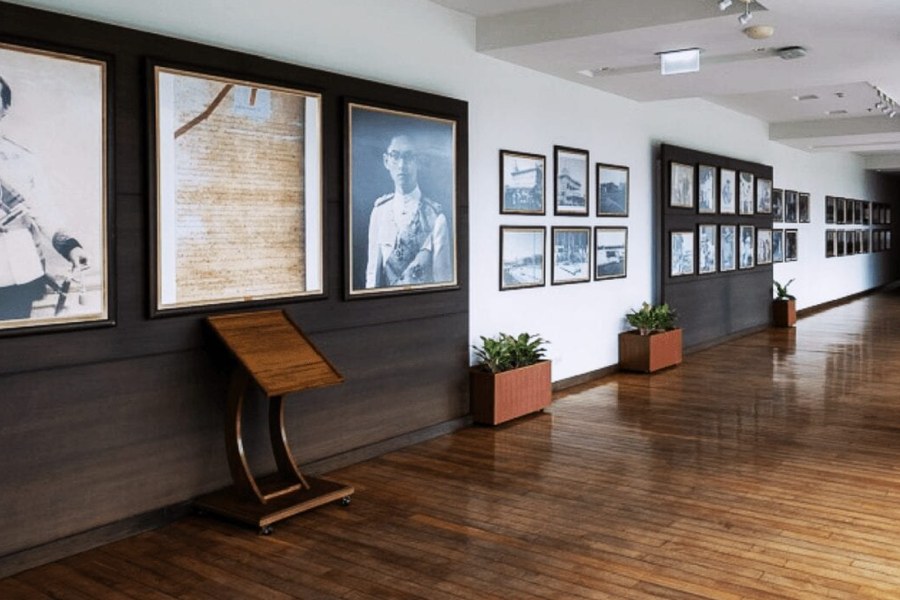
For much of the twentieth century, the blueprint was straightforward. The Royal Bangkok Sports Club, founded in 1901, and the British Club Bangkok, established two years later, shaped the city’s idea of elite membership around sport, dining, and a certain formalised social connection. Belonging was the point. The institutions themselves almost secondary to what they represented.
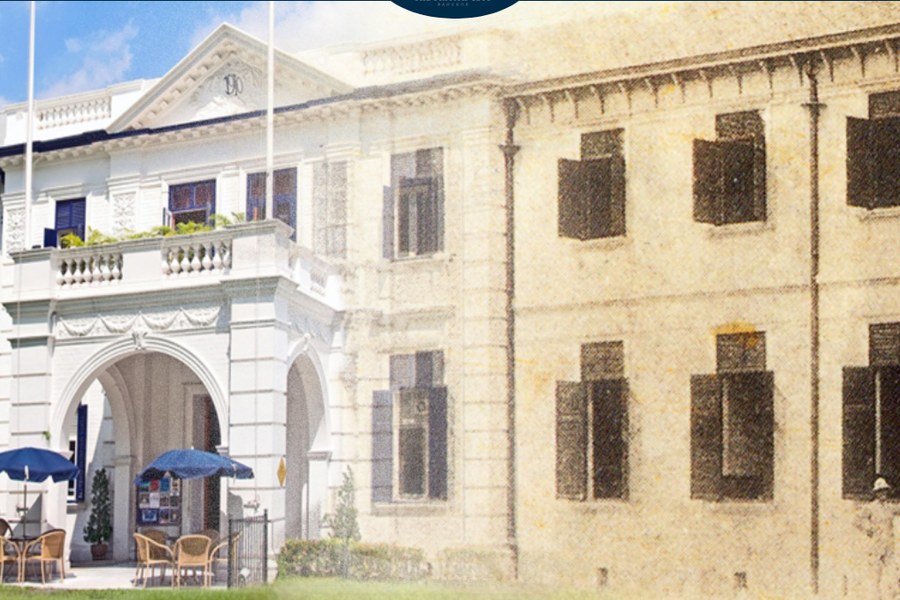
That older model still carries weight — it established the language of exclusivity that Bangkok continues to speak. But the newest generation of private clubs is composing an entirely different sentence. Rather than leaning on tradition alone, they are selling atmosphere, personal taste, and a level of hospitality that rivals the city’s finest five-star hotels. In many respects, they have become private sanctuaries for people who want all the advantages of ultra-luxury accommodation, layered with the added intimacy that only membership can provide.
The Bangkok Club, positioned high above Sathorn with skyline views that few properties can rival, is a persuasive example of this evolution. It combines business-ready facilities with refined dining and wellness amenities in a setting that feels both polished and deeply practical. The underlying philosophy — that a club should allow its members to meet, dine, exercise, and unwind without ever needing to leave — is central to how modern membership spaces are being conceived and delivered.
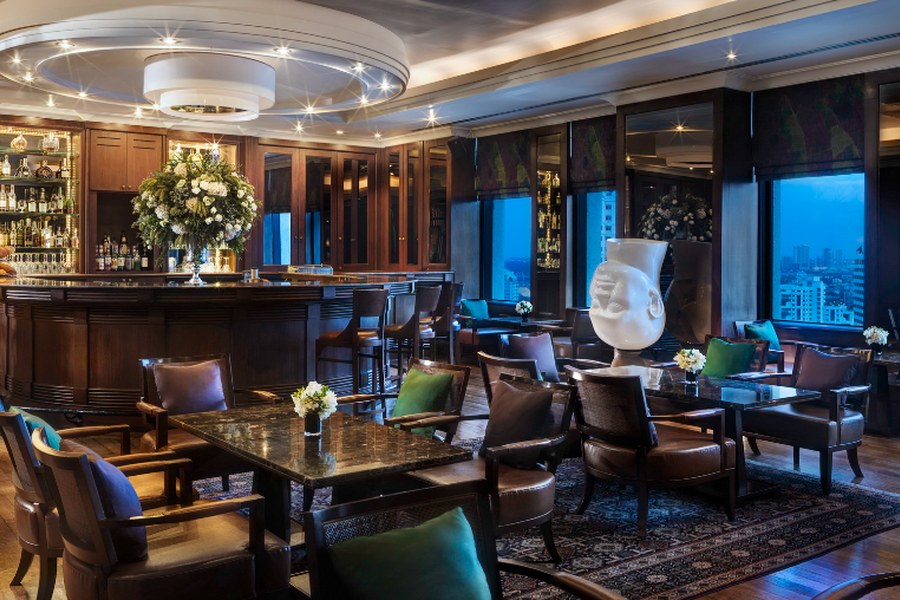
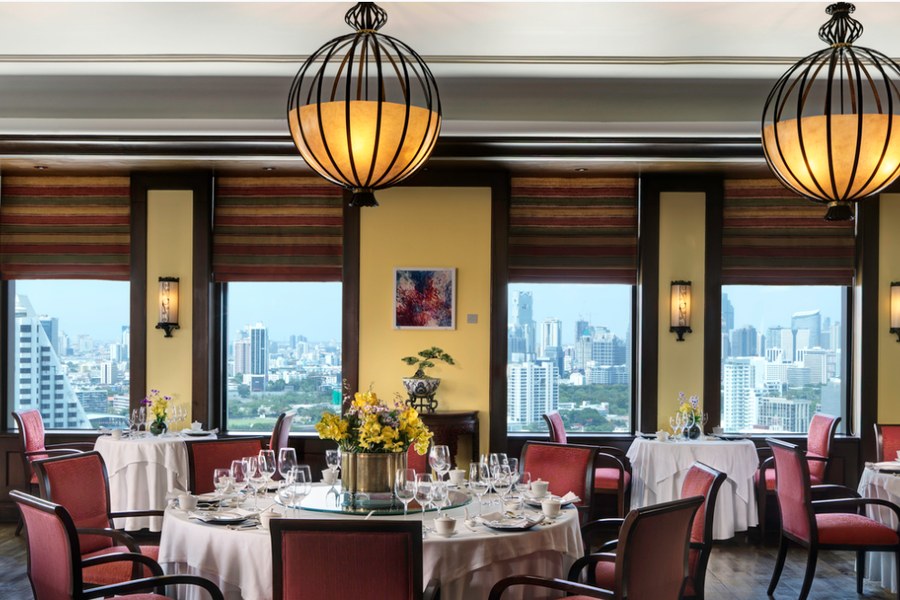
Pacific City Club follows a similar path, its emphasis on elegant surroundings and an environment suited equally to leisure and professional life marking it as something more than a social venue. These clubs are lifestyle platforms. Members arrive seeking calm, privacy, and the reassurance that every detail — from the service cadence to the materiality of the rooms — has been considered in advance and found worthy.
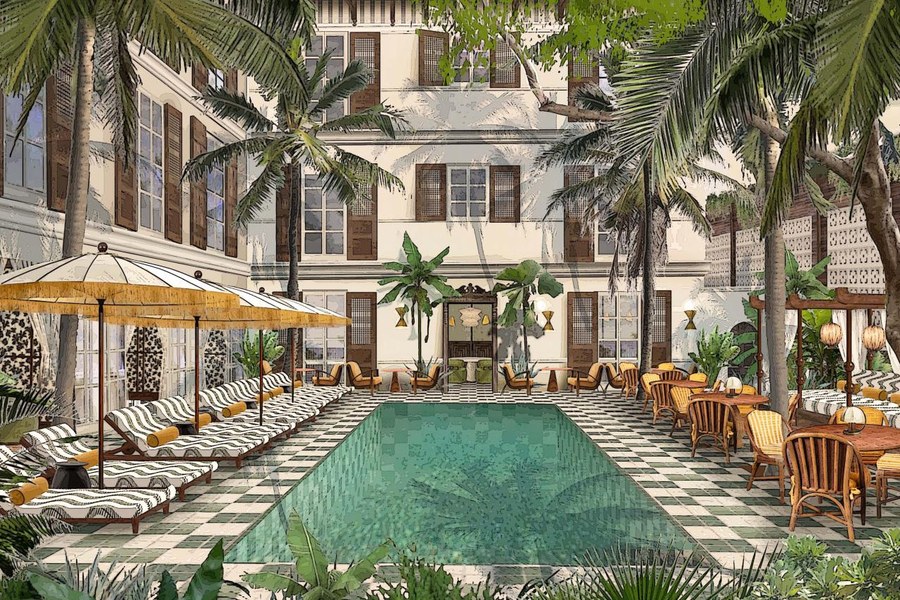
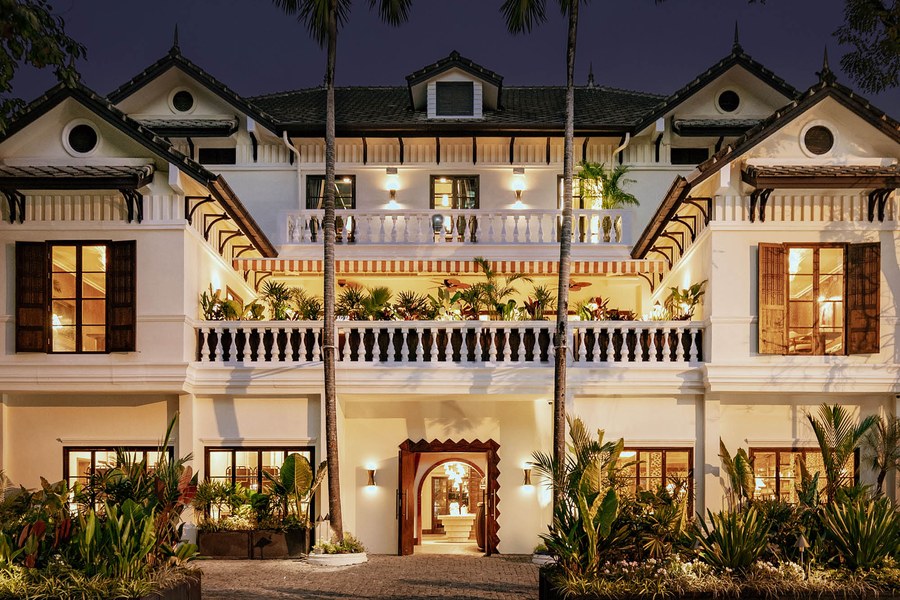
Soho House Bangkok demonstrates how global design thinking has reshaped the category. Where traditional clubs once cultivated old-fashioned exclusivity, Soho House offers a more contemporary members’ experience — restaurants, bars, a pool, curated events, and an atmosphere that is more relaxed in register without being any less considered. The underlying promise remains unchanged: access to a world that feels genuinely rare, emotionally comfortable, and socially valuable.
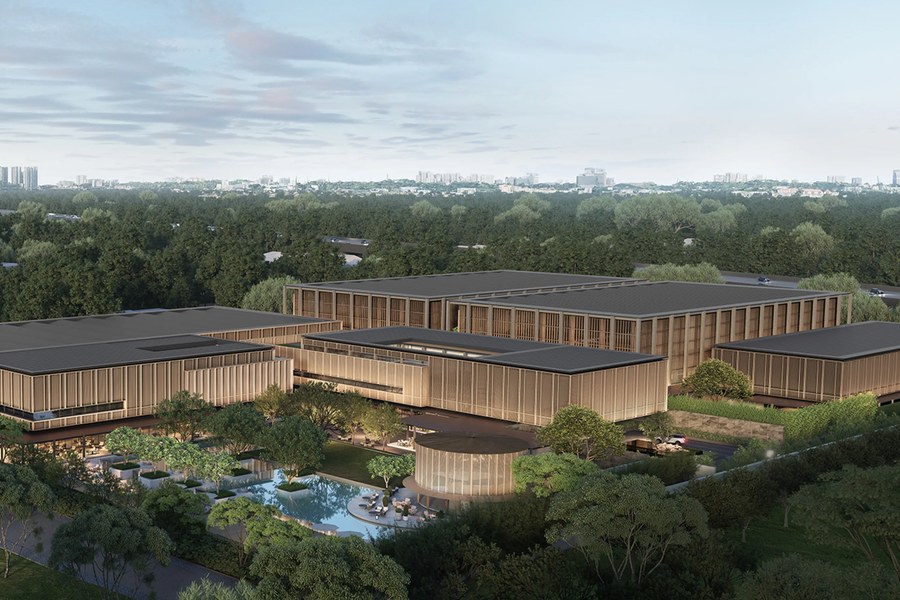
The next phase of Bangkok’s club scene may prove even more compelling. Eden Country Club represents a move toward large-scale private lifestyle living, with sports, wellness, dining, and family-oriented amenities converging in a single expansive environment. It is not a clubhouse in the conventional sense; it is a destination. That distinction matters, because it reflects a broader shift in what affluent members now expect. A club, increasingly, should deliver a full-day experience — and on the best occasions, something closer to a full life.
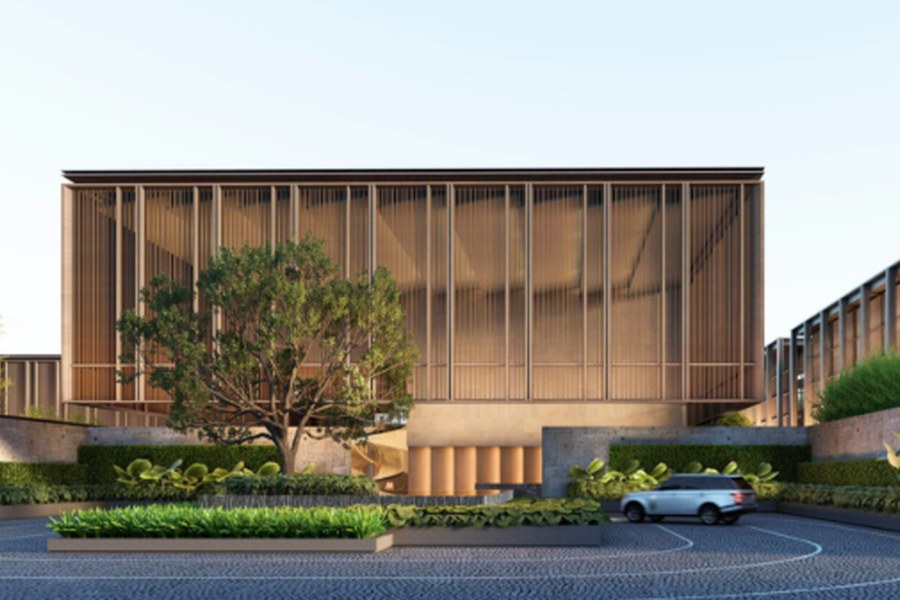
Eden’s particular appeal lies in its synthesis of privacy and recreation. In a city where most luxury spaces are vertical, dense, and emphatically urban, a country club model offers something that has become genuinely scarce: breathing room. It creates a sense of retreat while still delivering the social and hospitality cues that members require. That combination of space, curated service, and controlled access is precisely what modern luxury consumers are searching for.
The Consul pushes the idea further into culture and entertainment. Designed as a social and cultural house rather than a dining club alone, it integrates private dining rooms, whisky and mixology bars, cigar lounges, and music-led spaces into a layered identity. A member might arrive for dinner and find, several hours later, that they have moved through an entire evening without retracing a step. That kind of seamless progression is a hallmark of exceptional hospitality thinking.
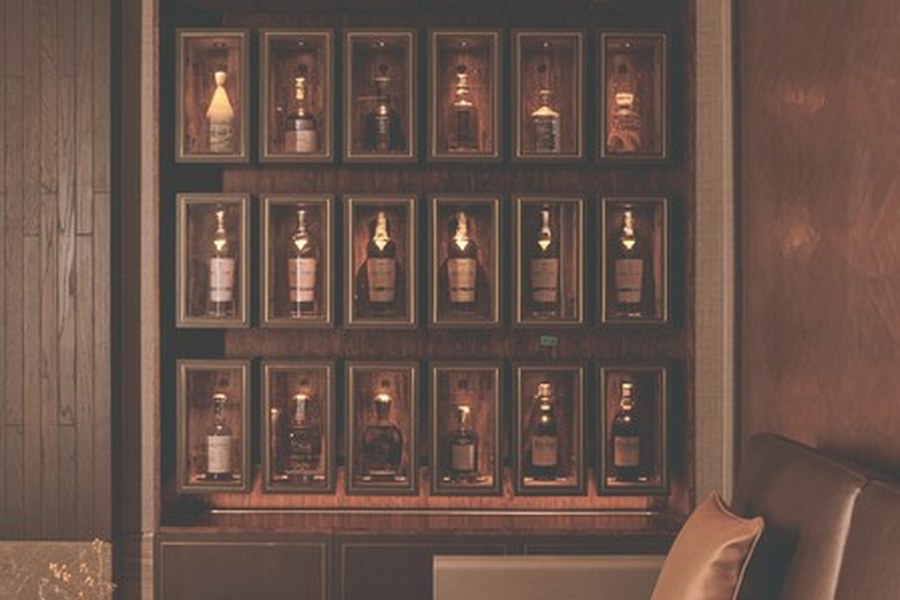
In this context, cigar lounges and whisky rooms deserve particular attention. In Bangkok’s emerging private club culture, these spaces are not secondary amenities. They are defining features. A great cigar lounge or rare-whisky room signals time, taste, and discretion — it creates a slower, more contemplative rhythm inside a city that rarely pauses. For members who have experienced the best of everything, the ability to linger in an atmosphere that feels adult, refined, and entirely private is its own form of luxury.
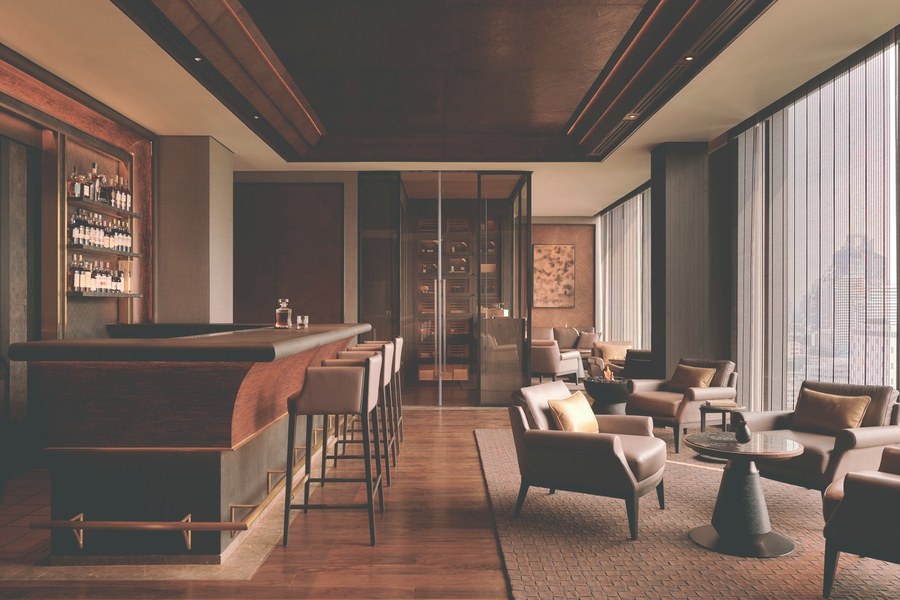
The Aman philosophy adds another dimension to the conversation. Built on a global reputation for quiet, ultra-personal hospitality, the Aman approach — as it extends into private membership models — is not designed to be visible. It is meant to feel seamless, intimate, and almost invisible. The emphasis falls on calm service, spaces of exceptional elegance, and the feeling of being looked after without being watched. That sensibility is powerful precisely because it reflects a deeper change in what the most discerning guests want. The new status symbol is not access to a famous name. It is access to a space that feels tailored, discreet, and genuinely attentive.
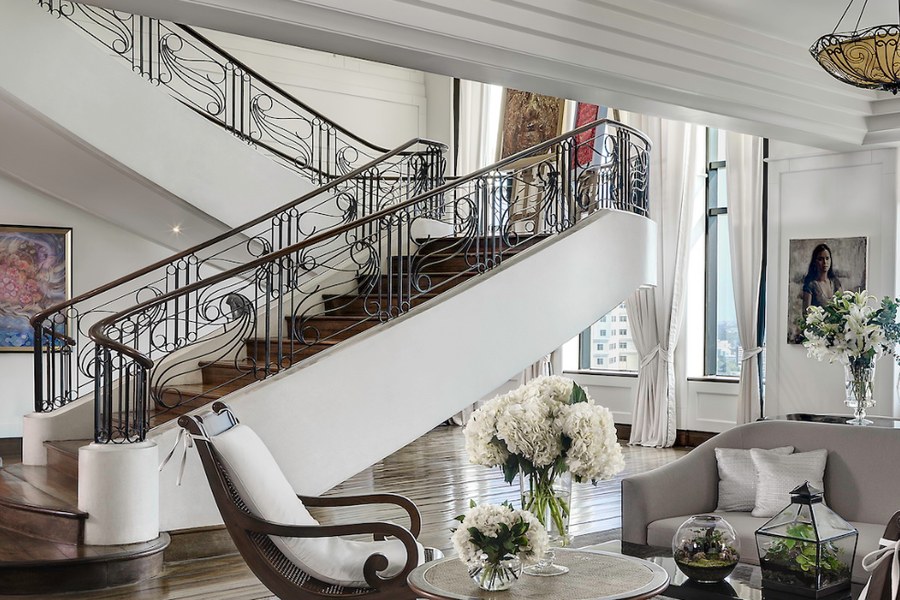
Bangkok has always been a city that understands refinement. But today, that refinement is being expressed through new architectures of experience. The modern private club is no longer only a symbol of social position. It is a place where luxury is lived quietly — through service, atmosphere, and carefully designed moments that make members feel both recognised and insulated from the pace of the city beyond the door.

Taken together, these clubs signal that Bangkok’s private membership market has entered a genuinely interesting new chapter. Heritage, business convenience, creative culture, wellness, and hotel-level hospitality are all finding expression within the same evolving category. For those who move through Bangkok’s highest echelons, the question is no longer simply which club to join. It is which world to disappear into.