

In the upper reaches of luxury, the most valuable currency is access. A seat that can’t be bought at the door. A kitchen so disciplined it makes brilliance feel effortless. That is the quiet magnetism of three Michelin stars: a global shorthand for a meal worth crossing borders for.
The Michelin Guide began in 1900 as a free booklet from French tire makers André and Édouard Michelin, created to encourage road travel with maps, repair tips, and recommended stops. By 1920 it was sold rather than given away, and in 1926 Michelin began awarding stars to spotlight exceptional cooking. The three-tier system followed in 1931, and in 1936 Michelin set out the principles behind the rating: ingredient quality, mastery of technique, a chef’s personality expressed in the cuisine, harmony of flavours, and consistency over time. Anonymity became part of the mystique — inspectors visit unannounced and return repeatedly — keeping the focus on food, not fanfare.
At three stars, the question is no longer “Is it excellent?” It is “Is it undeniable?” Ingredients feel chosen, not merely sourced. Technique disappears into flavour. Creativity has purpose, and consistency is non-negotiable.
Among the countless restaurants Michelin recommends, a handful have become cultural landmarks. Three, in particular, sit at the centre of the modern fine-dining imagination.
Osteria Francescana, Modena: Italian Memory, Rewritten
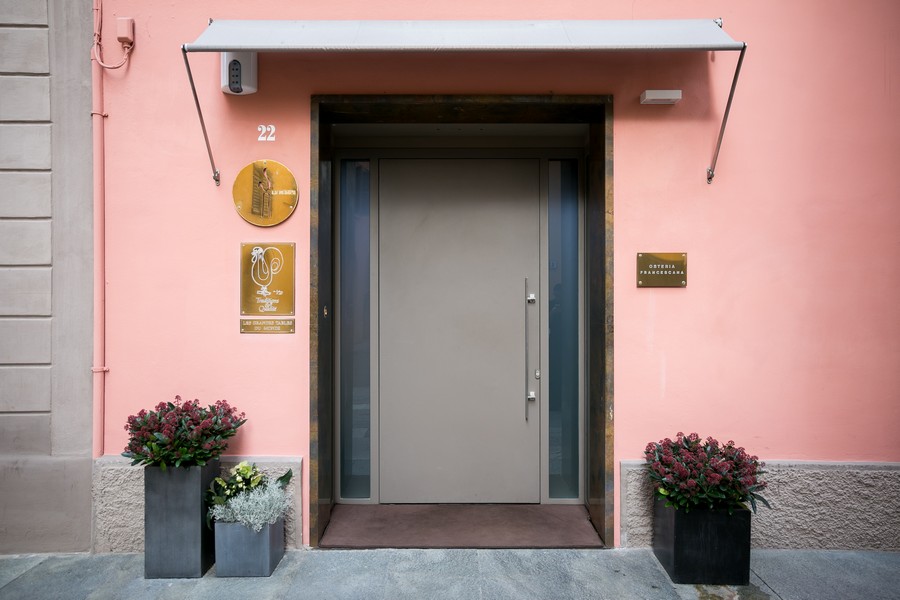
In Modena — where balsamic vinegar is aged like an heirloom and Parmigiano Reggiano is a birthright — Massimo Bottura built a restaurant that treats tradition as raw material rather than rulebook. He opened Osteria Francescana in 1995 and turned it into a modern icon: deeply Italian, insistently contemporary, and emotionally intelligent. Bottura’s background blends classical discipline with an artist’s curiosity; he’s as comfortable discussing a Renaissance painting as he is a ragù, and his influence stretches beyond the kitchen through cultural work and social projects focused on dignity, community, and food.
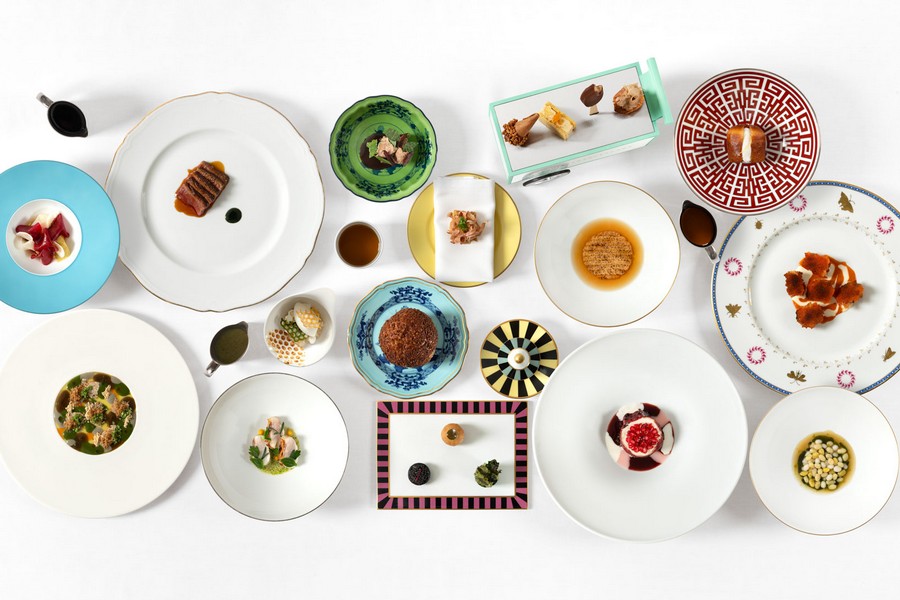
The restaurant’s most famous dishes arrive like signatures that still surprise. Five Ages of Parmigiano Reggiano transforms one ingredient into a full narrative — cream, foam, crisp, and concentrated essence — a love letter to Emilia-Romagna in five acts. Oops! I Dropped the Lemon Tart lands as a “beautiful accident,” playful and precise at once. The Crunchy Part of the Lasagna elevates the corner piece everyone fights over into something elegant without losing its nostalgia. And Bottura’s reinterpretations of Italian classics — such as a “not boiled” bollito misto style presentation — underline his point: tradition doesn’t have to sit still to be respected.
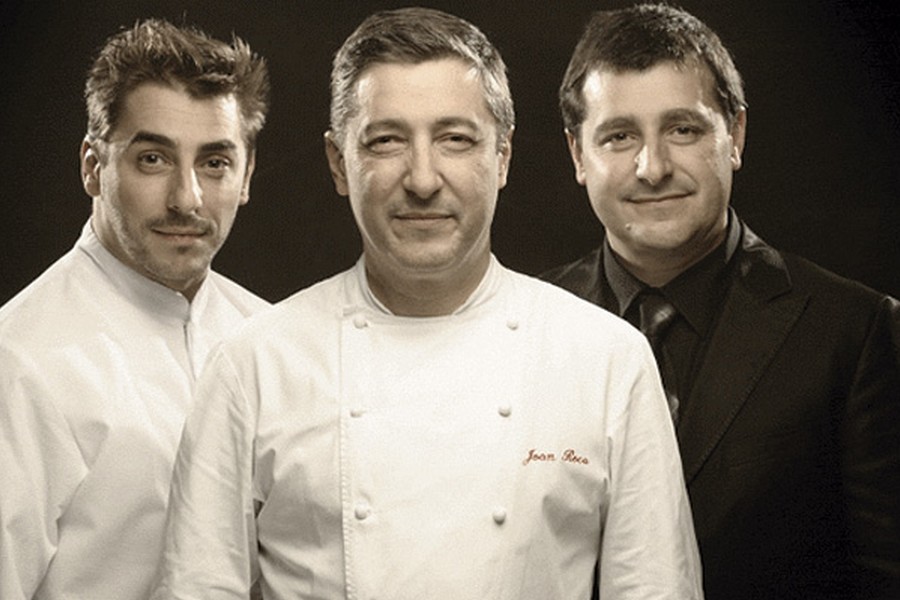
El Celler de Can Roca, Girona: Three Brothers, One Perfect Rhythm
El Celler de Can Roca is a family symphony performed at three-star volume. In Girona, the Roca brothers have built one of the world’s most admired dining experiences — Joan in the kitchen, Josep as sommelier and storyteller, and Jordi shaping the sweet finale. Their story begins in hospitality, shaped by their parents’ restaurant, and refined through decades of obsessive craft.
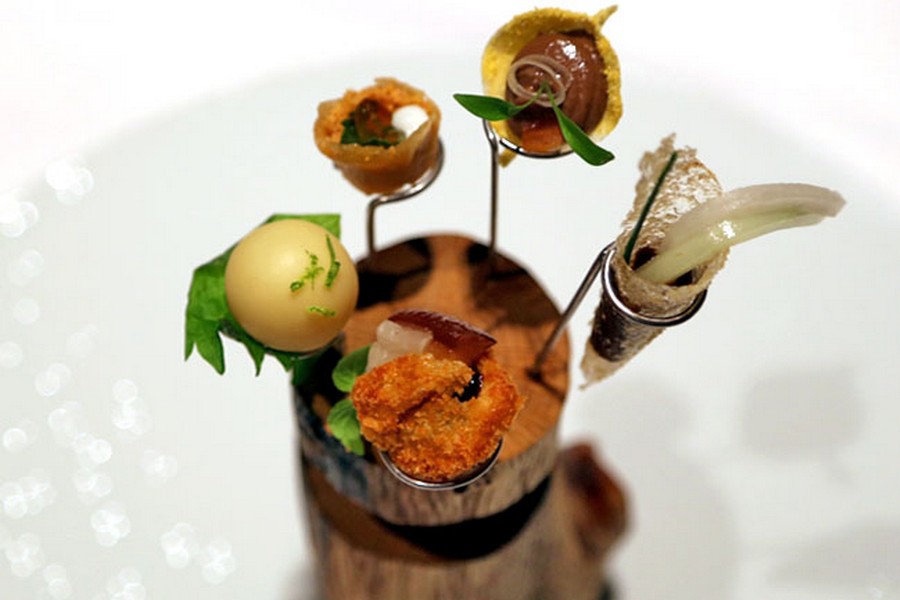
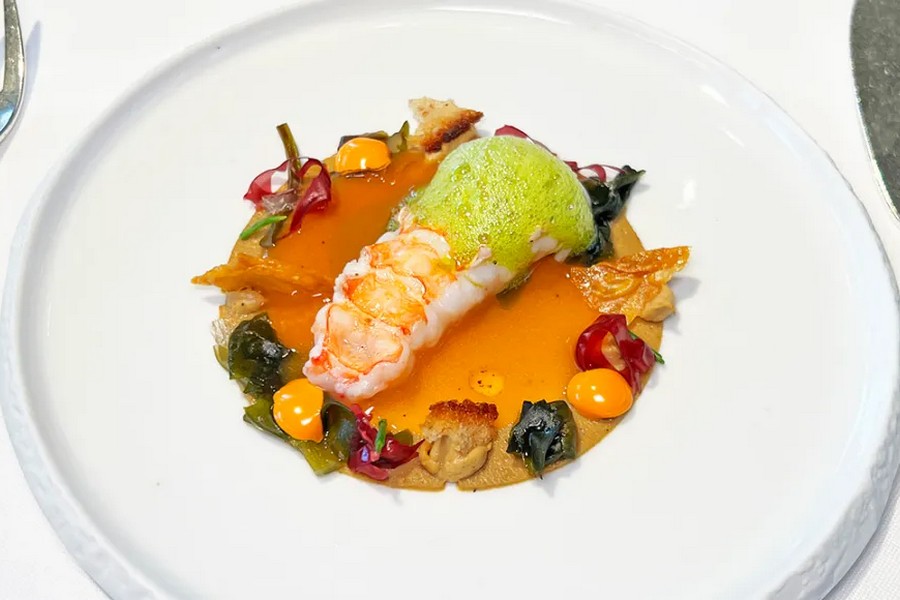
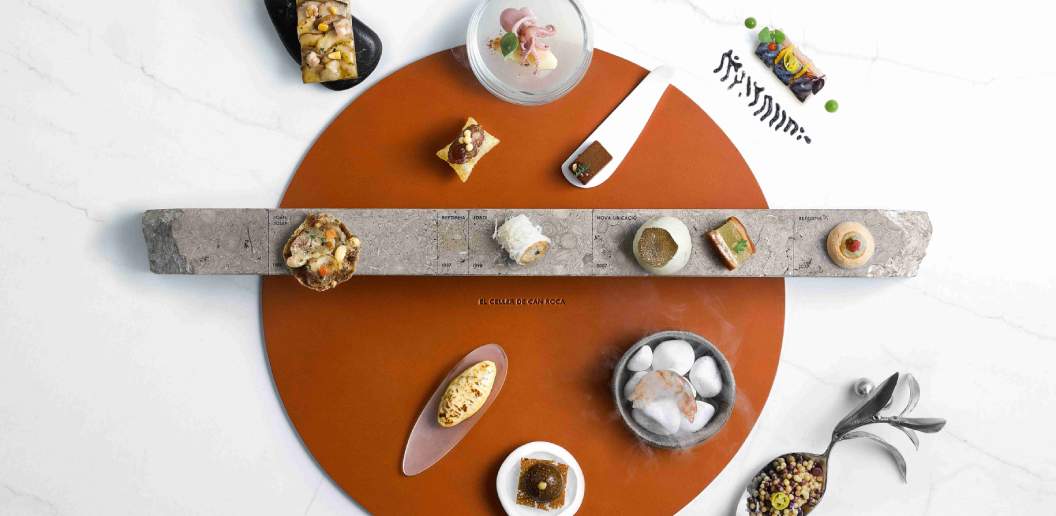
Standout dishes are celebrated for translating place into flavour. Charcoal-grilled lamb with fermented vegetables captures their love of fire and depth — rustic notes rendered with extraordinary clarity. The beetroot “bonsai” has become a touchstone for the way the Rocas marry visual poetry with real balance: earthiness, acidity, and botanical lift in careful harmony. And when dessert arrives, Jordi often brings a jolt of wonder, building sweets that borrow from aroma and memory while remaining impeccably structured.
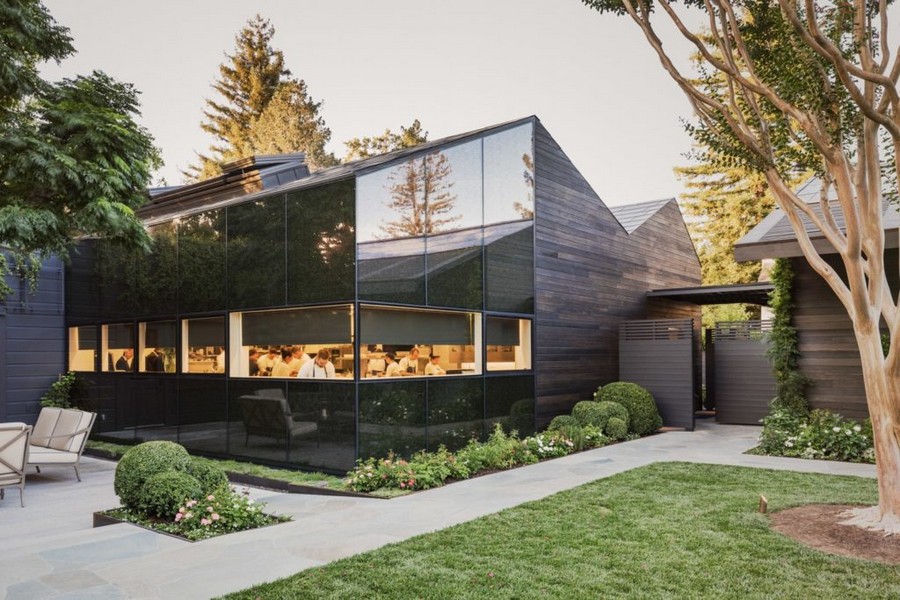
The French Laundry, Yountville: Napa Precision, American Soul
The French Laundry is the American benchmark. Set in a storied stone building in Yountville, it became a pilgrimage site under chef Thomas Keller, whose career has been defined by meticulous standards and a near-romantic belief in hospitality: guests should feel cared for, not merely impressed.
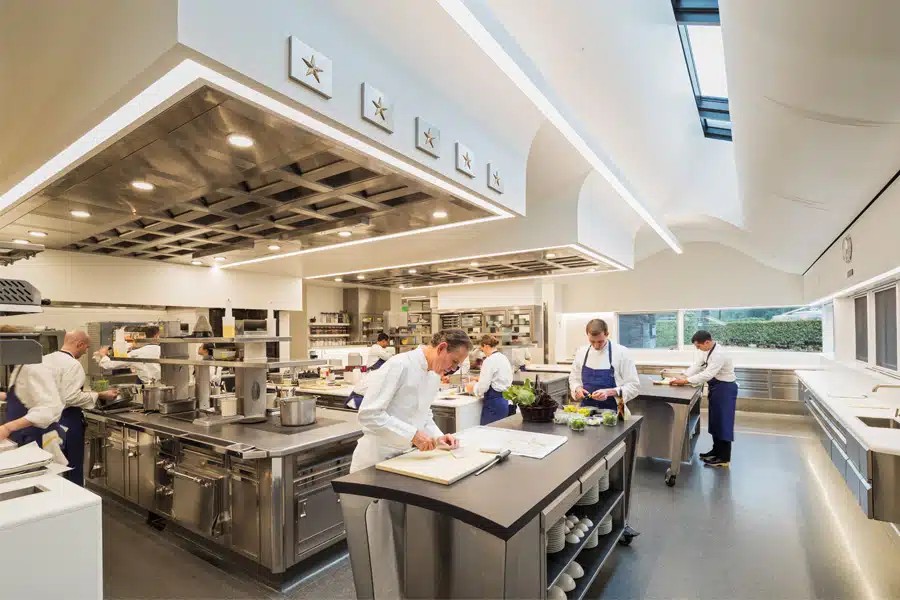
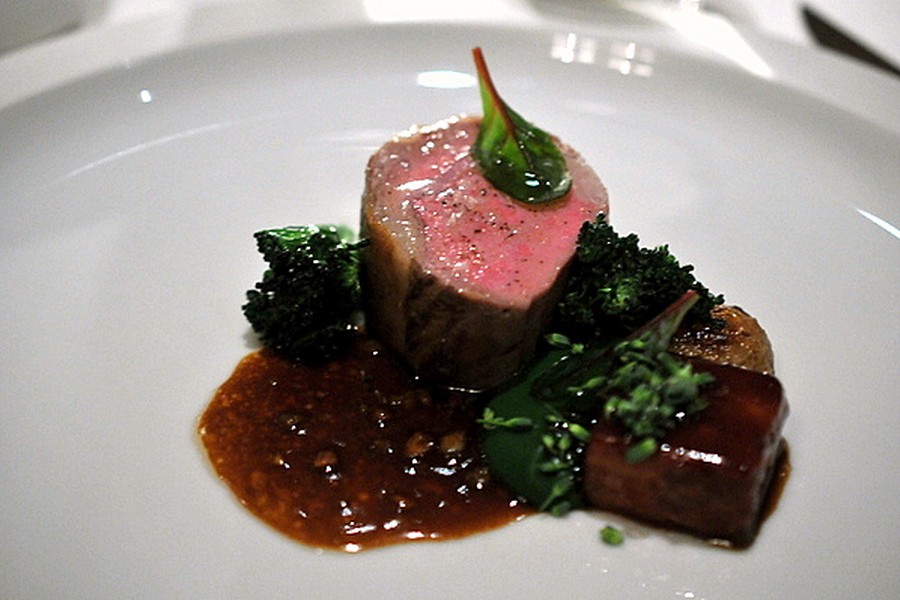
It has been honored with 3 Michelin stars for 19 consecutive years, an extraordinary run that speaks to something rarer than brilliance: consistency at the summit. Its signature dishes are culinary folklore. Oysters and Pearls — oysters with a delicate sabayon, pearl tapioca, and caviar — is luxury in restraint, a study in texture and salinity. The salmon cornet, crisp and whimsical, arrives like a perfect opening note. Depending on the season, Keller’s kitchen is also famed for truffle-led moments — think silky custards or sauces that carry that unmistakable perfume — alongside butter-poached lobster and impeccably sauced proteins. And then, with a wink, coffee and doughnuts: playful comfort rendered with three-star finesse.
Thailand’s Three-Star Moment: Bangkok Joins the Global Shortlist
Bangkok has long been one of the world’s great food cities, but three-star recognition marks a new chapter for luxury travellers: the city is now a destination for the rarefied, bucket-list level of dining people plan entire trips around. Thailand’s two three-star restaurants tell a compelling story of contrast — one fiercely rooted in Thai regional identity, the other a European narrative perfected in a Bangkok setting.
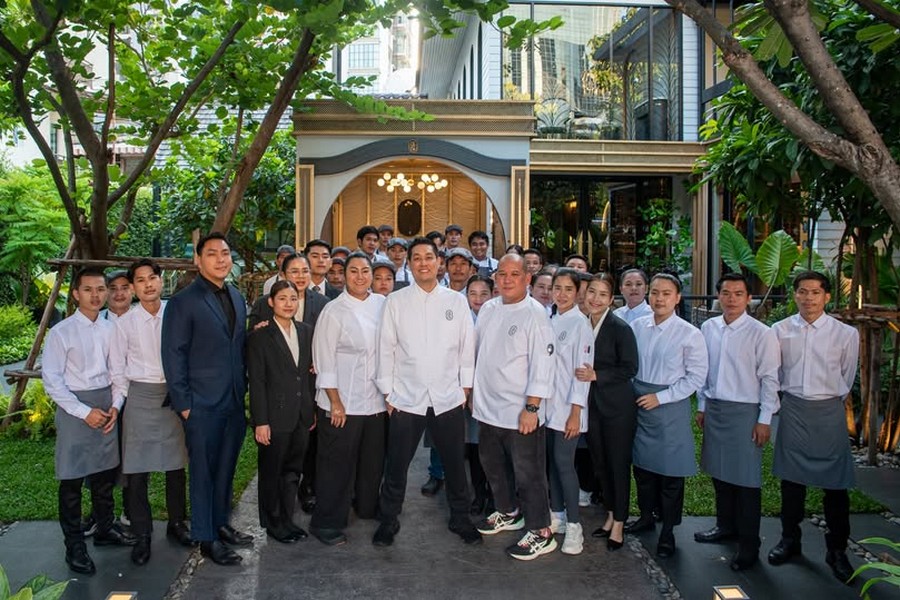
Sorn, Bangkok: Southern Thai, Elevated With Fire and Finesse
Sorn is a love letter to Southern Thai cuisine written with Michelin-level discipline. At the centre is chef Supaksorn “Ice” Jongsiri, a self-taught chef known for deep research, uncompromising sourcing, and a belief that regional Thai flavours deserve the world’s most serious stage. His menus lean into the South’s intensity — heat, herbs, ferments, and seafood — but arrive with composure, each course calibrated for balance.
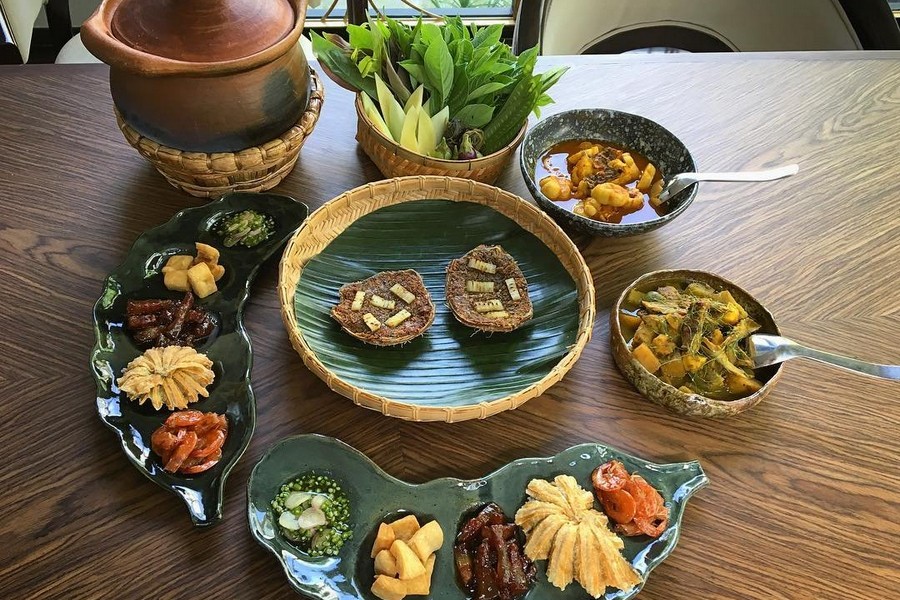
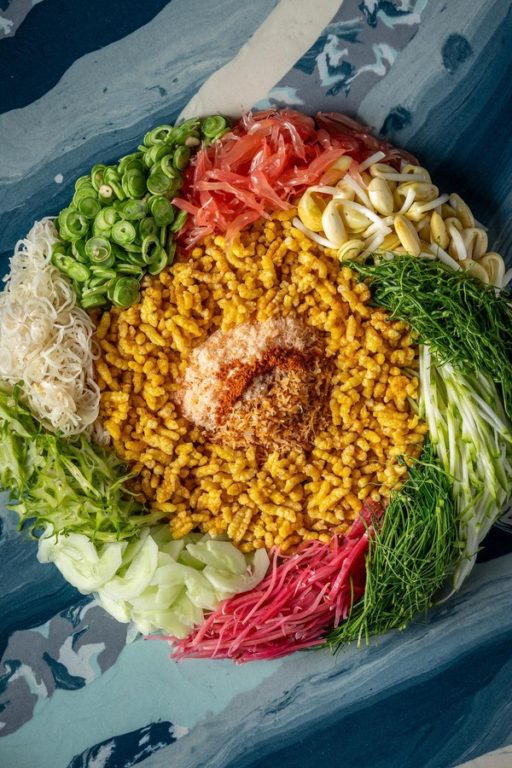
Standout dishes often spotlight fermentation and bold curry architecture: painstaking pastes, rare local ingredients, and seafood handled with remarkable precision. Signature bites frequently cited include pla ra tempura — crisp, clever, and deeply flavoured — alongside courses that weave smoke, bright herbs, and layered acidity into complexity that never becomes chaos. You may also encounter a crab-driven Southern curry with deep, sour-fragrant notes, and a rice course served with a parade of Southern relishes that makes the simplest staple feel ceremonial.
Sühring, Bangkok: German Heritage, Reimagined in a Tropical Capital
Sühring, led by twin chefs Thomas and Mathias Sühring, offers modern German cuisine shaped by memory — childhood flavours refined into a contemporary tasting journey. The brothers’ background is steeped in European technique, and their Bangkok home lends the experience a certain ease: polished, intimate, quietly glamorous.
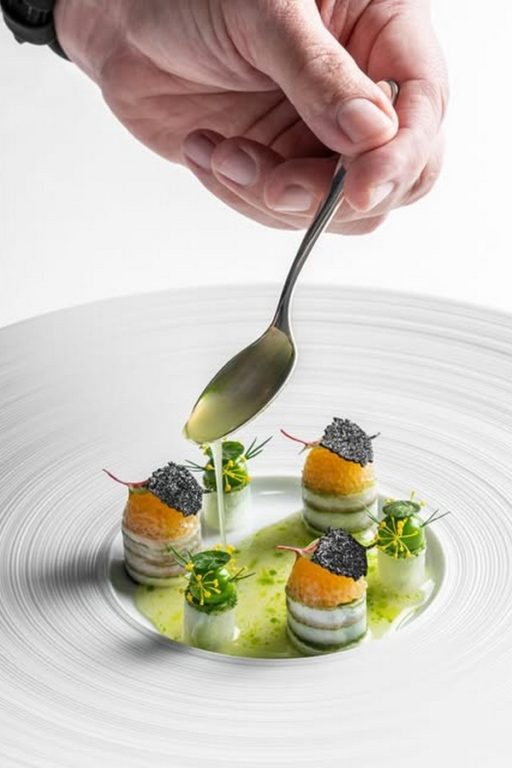
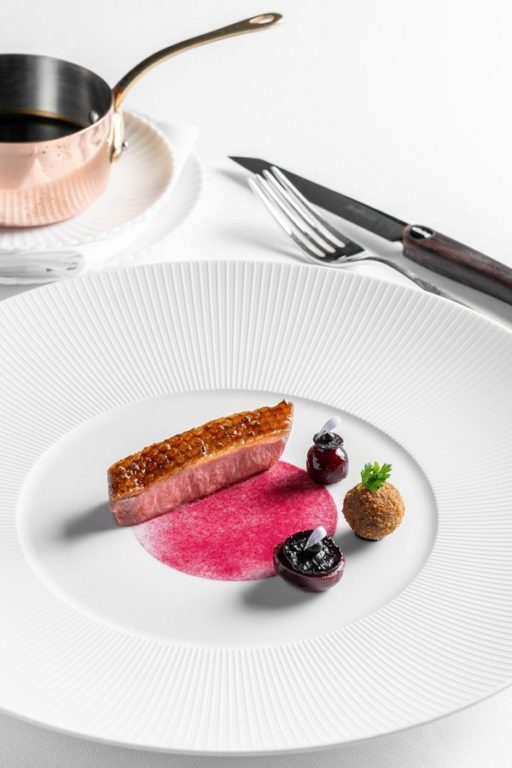
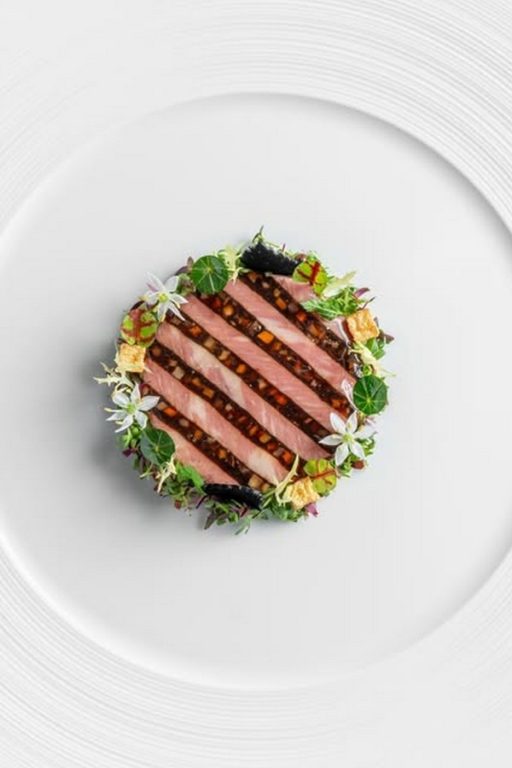
The kitchen’s standout dishes frequently highlight classic German preservation traditions translated into three-star finesse: pickling, curing, smoking, and fermentation used to deepen flavour and sharpen contrast. Diners may encounter pristine seafood lifted by floral notes — langoustine with elderflower is often cited — or beautifully structured game such as venison paired with fermented beet, where acidity and earthiness play in perfect tension. There are often elegant nods to comfort too: breads and pretzel-like bites with cultured butter, or a modern take on spätzle-style richness without heaviness.
For decades, the world’s most famous three-star journeys led to Modena, Girona, and Yountville — places that became legendary because they offered something you couldn’t get anywhere else. Now that same sense of culinary pilgrimage belongs to Bangkok too. With Sorn and Sühring, Thailand has two tables that do what three stars have always promised: make the journey feel not only worthwhile, but inevitable.