

As the PropertyGuru Asia Property Awards celebrated their 20th year, Asia’s leading developers gathered in Bangkok to set new benchmarks for design, sustainability, and the cities of tomorrow.
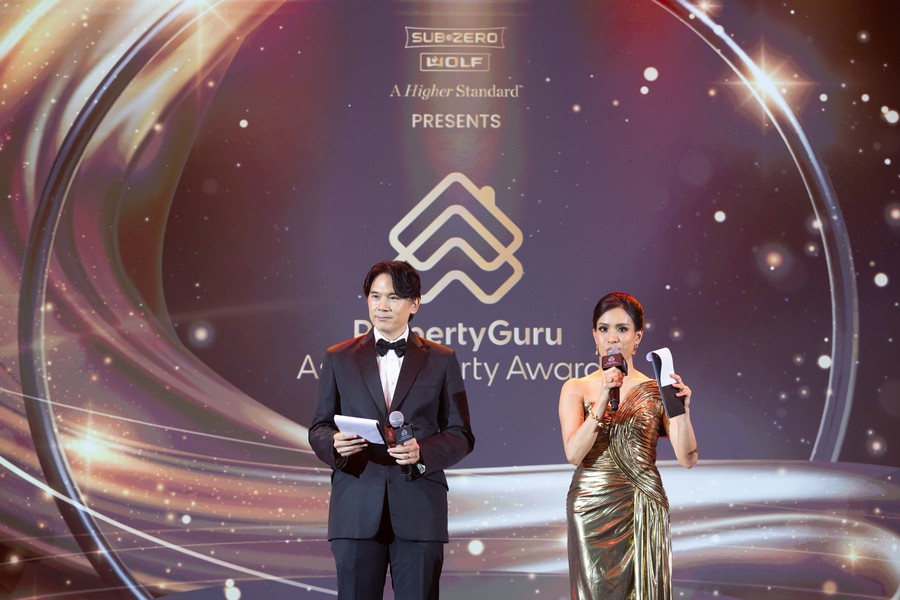
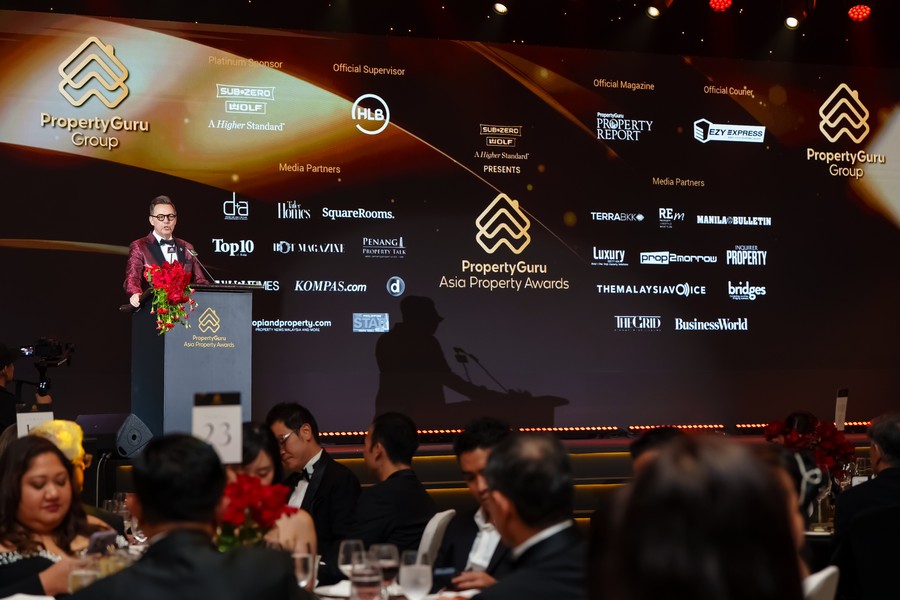
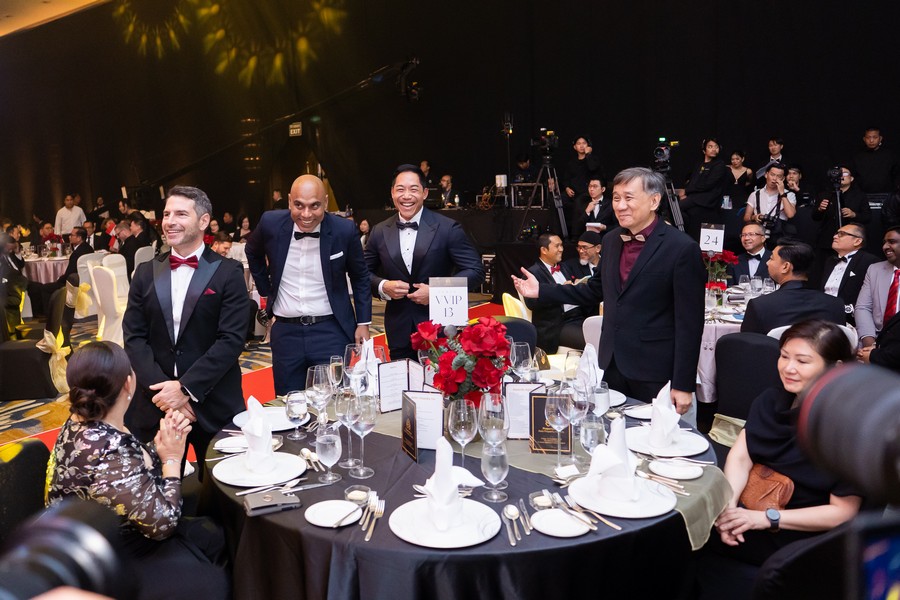
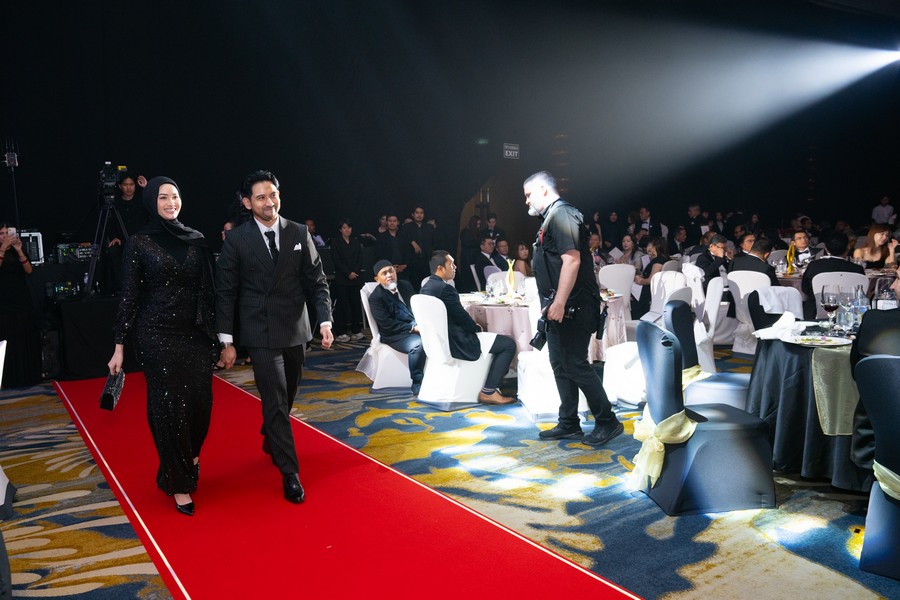
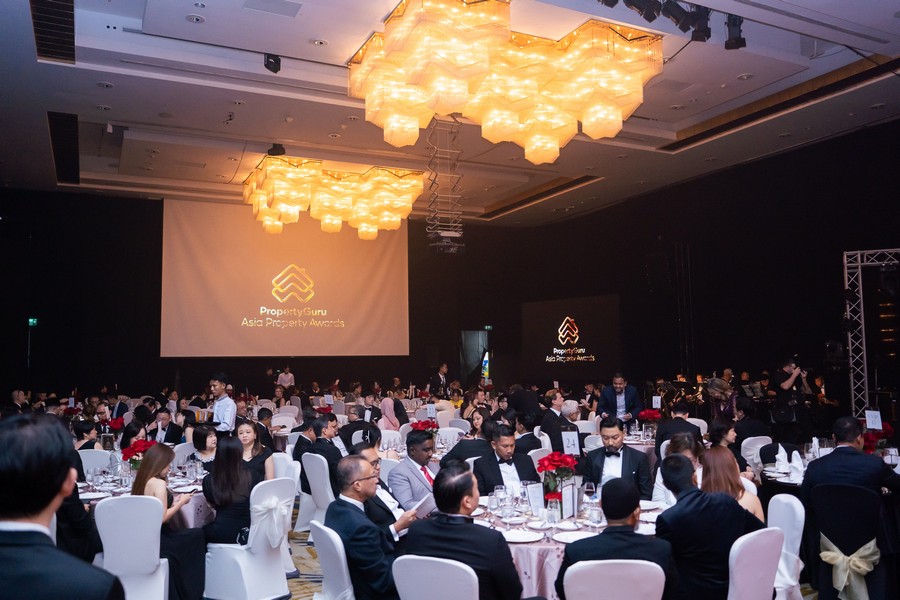
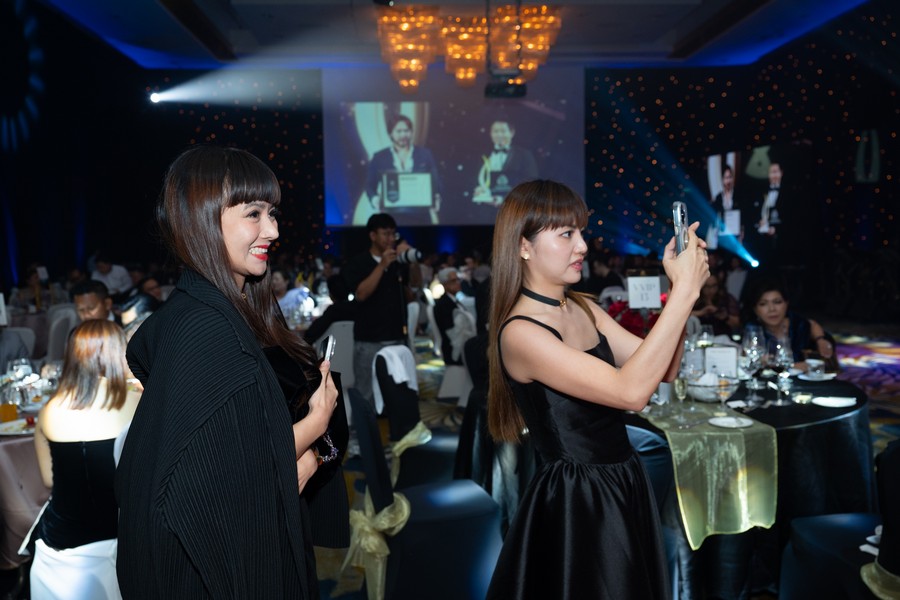
Bangkok once again confirmed its status as Asia’s convening point for design, development, and ambition as the 20th PropertyGuru Asia Property Awards Grand Final unfolded in celebratory style at The Athenee Hotel. Marking two decades of recognising excellence in real estate across the region, the 2025 Grand Final was not simply a retrospective milestone—it was a forward-looking statement about how Asia intends to live, build, and evolve in the decades ahead.
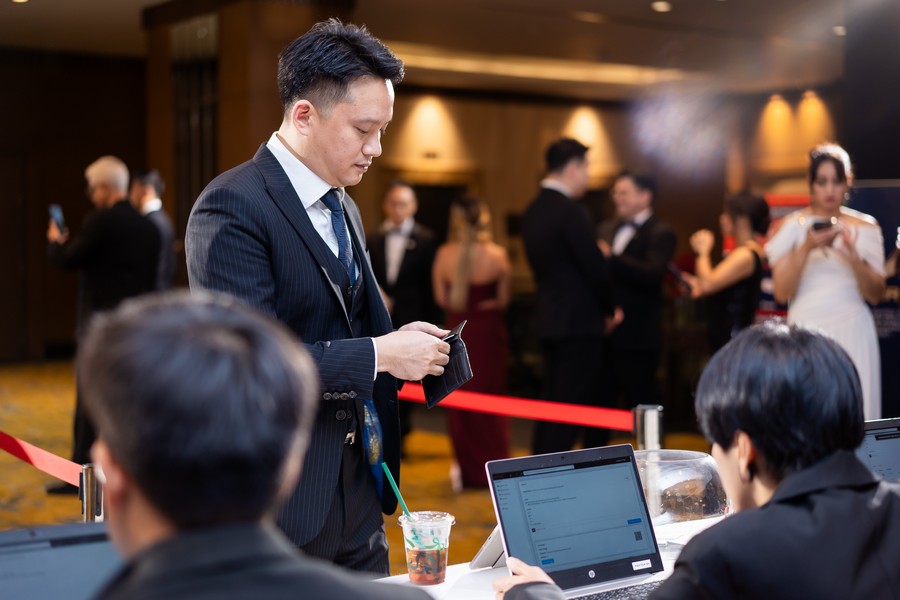
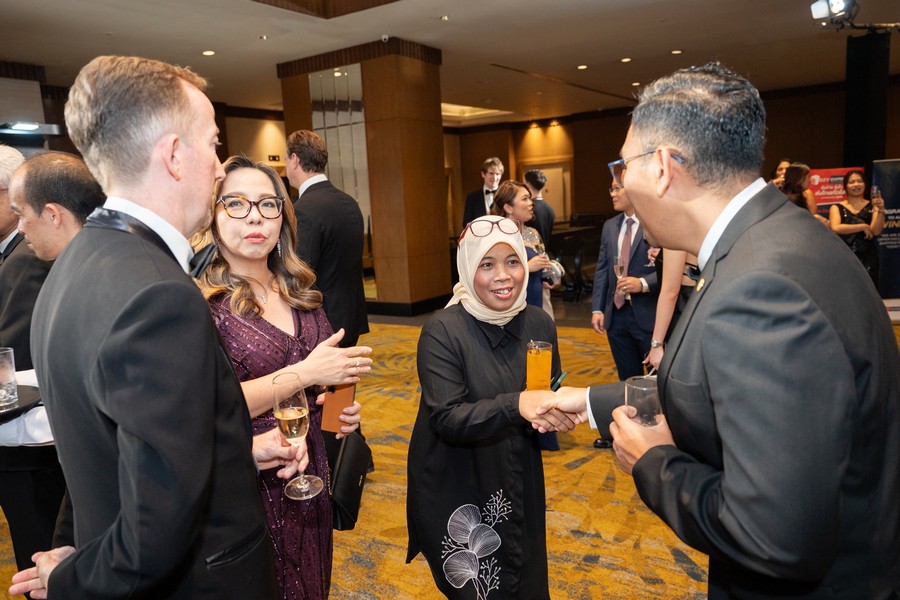
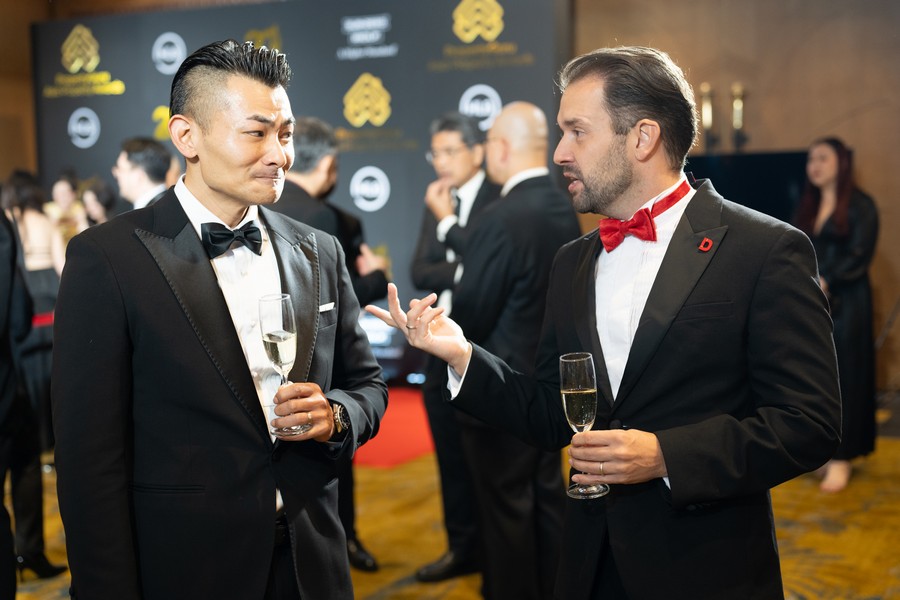
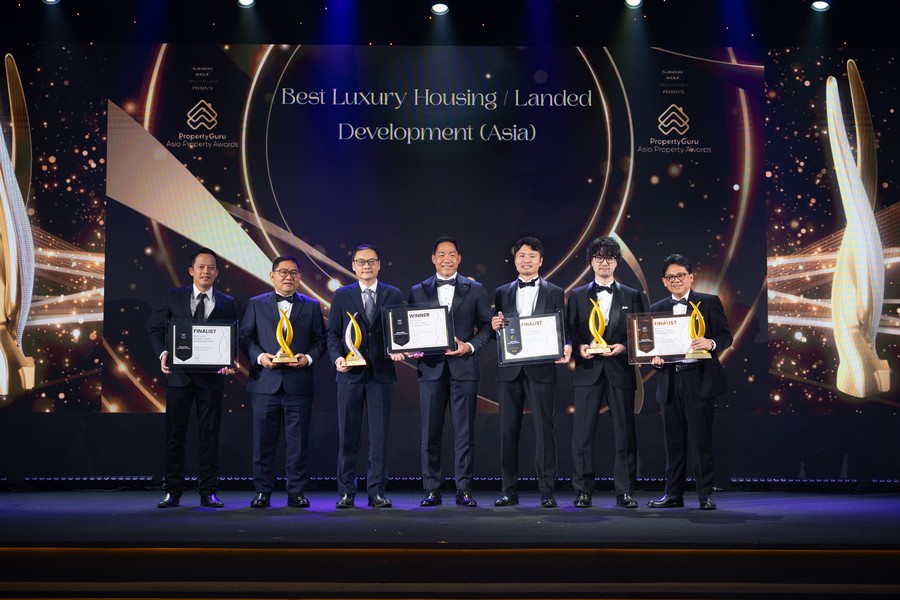
Spanning 13 markets and culminating in more than 90 “Best in Asia” honours, the awards distilled a year of architectural experimentation, urban reinvention, and design leadership into one defining moment. What emerged was a clear narrative: Asia’s property leaders are no longer chasing scale alone. They are shaping environments that prioritise longevity, wellness, sustainability, and experience—cities designed not just to function, but to endure.
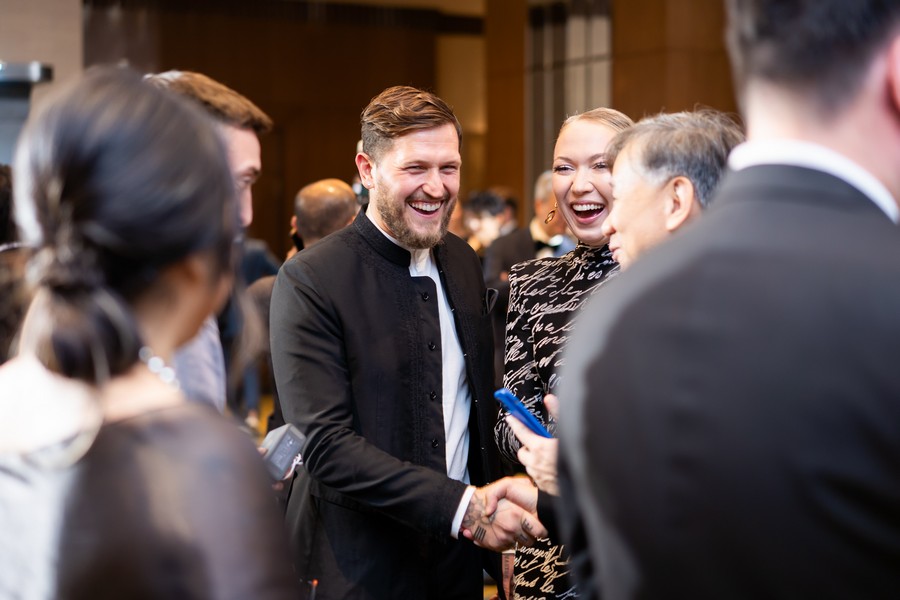
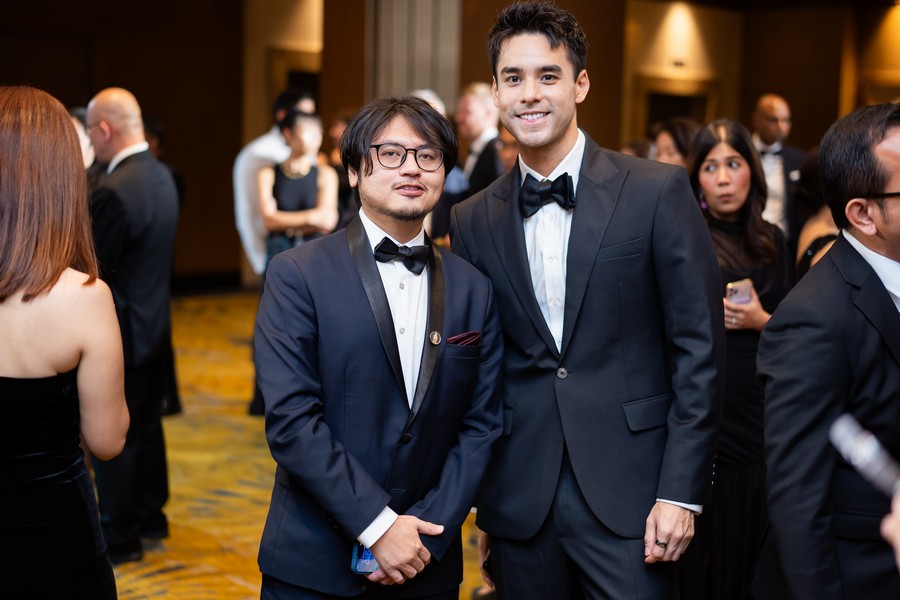
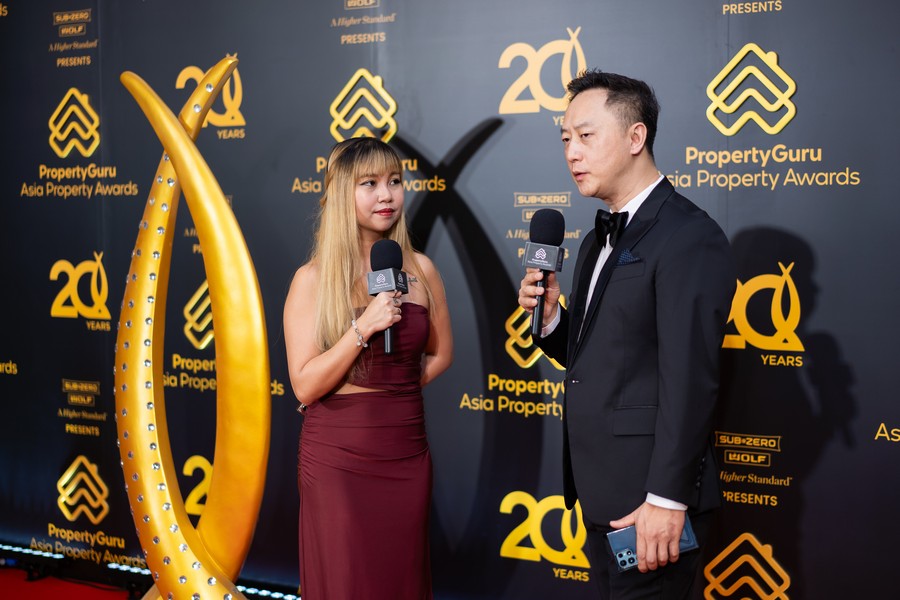
At the pinnacle of the evening, Henderson Land Development Company Limited claimed the coveted Best Developer (Asia) title, reinforcing Hong Kong’s continued influence at the ultra-luxury end of the market. Its winning project, The Legacy – 8 Castle Road, Mid Levels, stood as a masterclass in restraint and refinement—proof that in Asia’s most competitive cities, discretion has become the new definition of prestige.
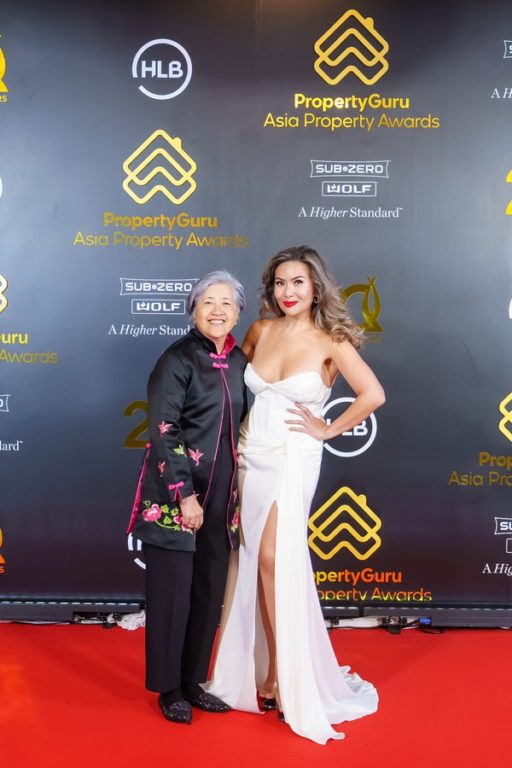
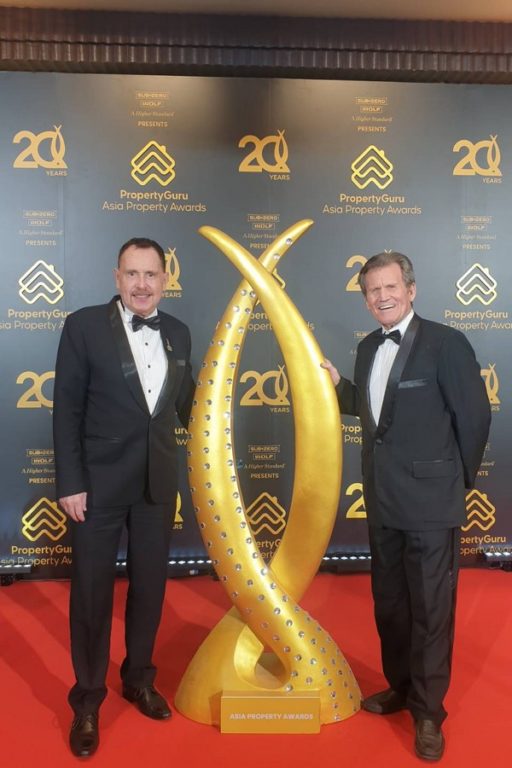
Design, too, played a central role in this year’s awards. Across Mainland China and the wider region, architectural and interior practices demonstrated how commercial, residential, and mixed-use spaces are being reimagined through material intelligence, spatial fluidity, and human-centric planning. From landmark retail environments to office towers conceived as lifestyle ecosystems, the message was unmistakable: design is no longer decorative—it is strategic.
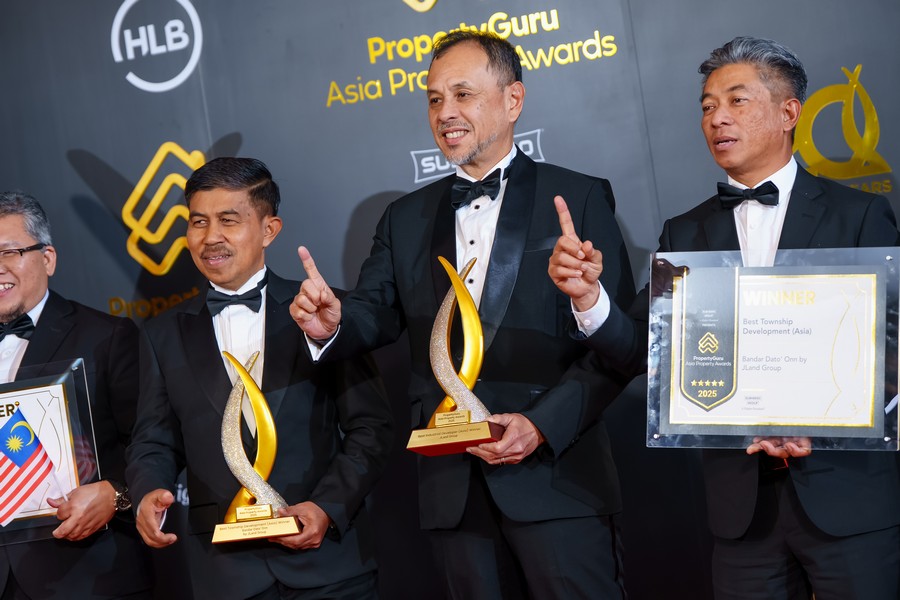
If one country emerged as the evening’s dominant force, it was Malaysia. With 17 Best in Asia titles, Malaysian developers showcased a remarkable breadth of innovation, from industrial townships and transit-led developments to affordable housing models that do not compromise on design quality. Rather than chasing spectacle, Malaysia’s winners reflected a measured confidence—projects conceived for multi-generational living, long-term connectivity, and sustainable urban growth.
Indonesia followed closely, with 15 awards underscoring the country’s ability to deliver scale with intent. Jakarta’s skyline-defining Thamrin Nine development stood out as a symbol of Southeast Asia’s vertical future—superblocks that integrate office, retail, hospitality, and public space into coherent urban statements. Across the archipelago, township developers demonstrated how large-format planning can still foster community identity and livability.
Vietnam’s strong showing, led by CapitaLand Development and Gamuda Land Vietnam, revealed a market coming decisively into its own. With sustainability, wellness, and community planning at the forefront, Vietnam’s award-winning projects illustrated how rapidly maturing cities are leapfrogging legacy urban models in favour of greener, more adaptive frameworks.
Singapore, as expected, delivered precision. With multiple wins across residential, mixed-use, and hospitality categories, the city-state reinforced its reputation for disciplined excellence—projects that balance density with design clarity, and luxury with livability. Meanwhile, the Philippines continued to demonstrate momentum, particularly in luxury residential, hospitality, and integrated commercial environments, reflecting a market increasingly attuned to experiential living.
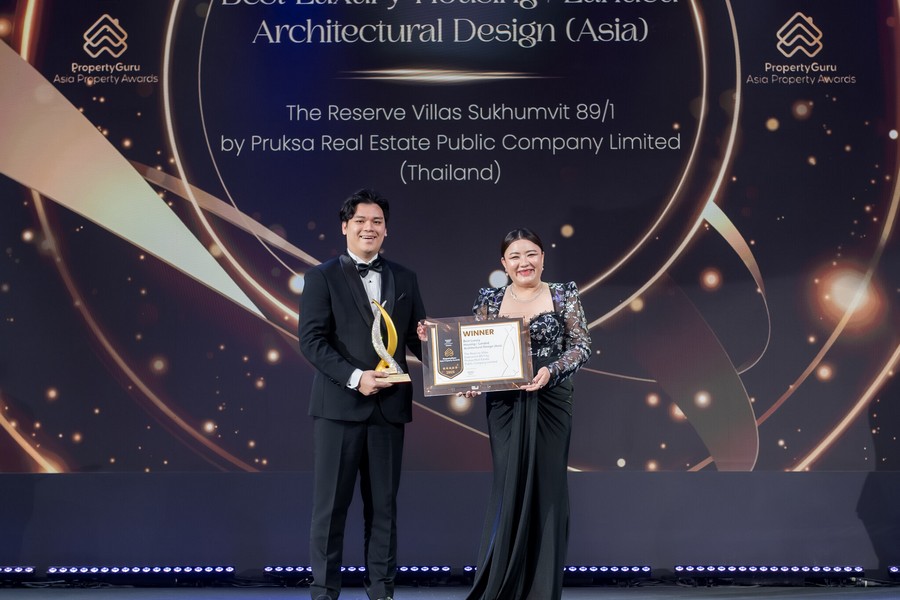
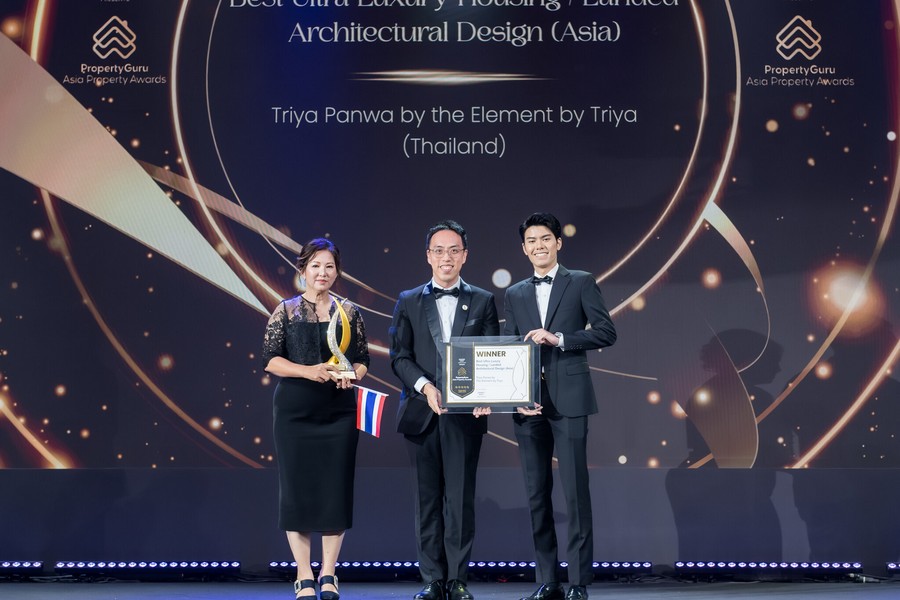
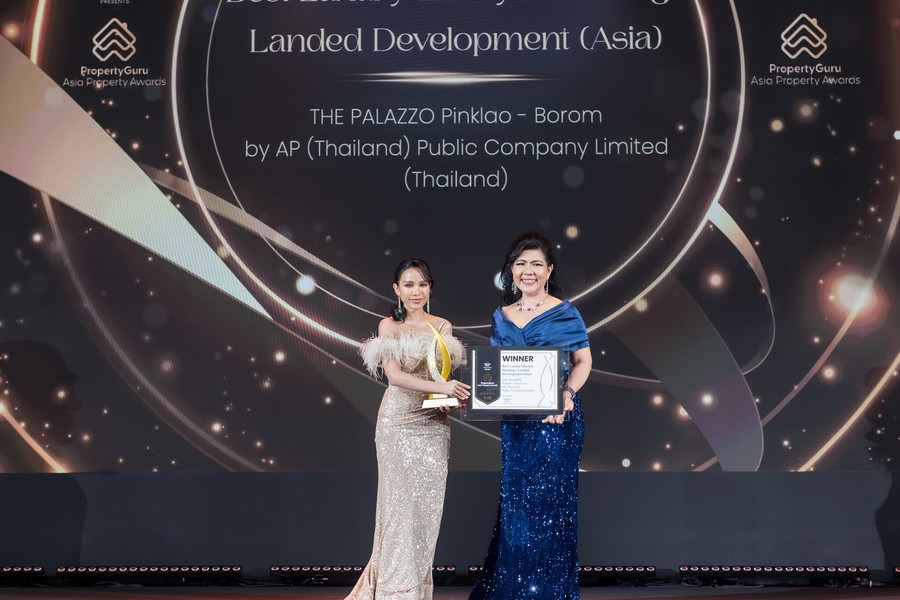
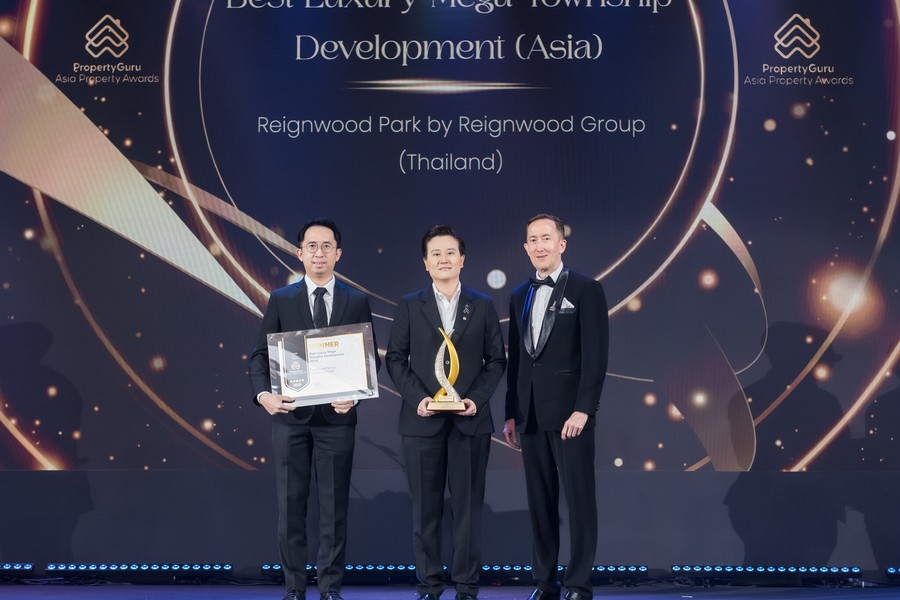
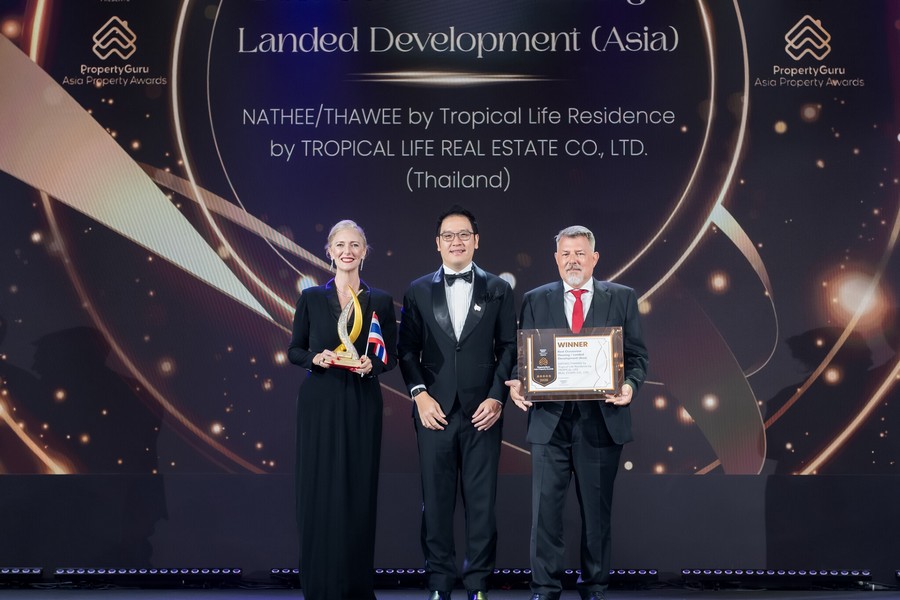
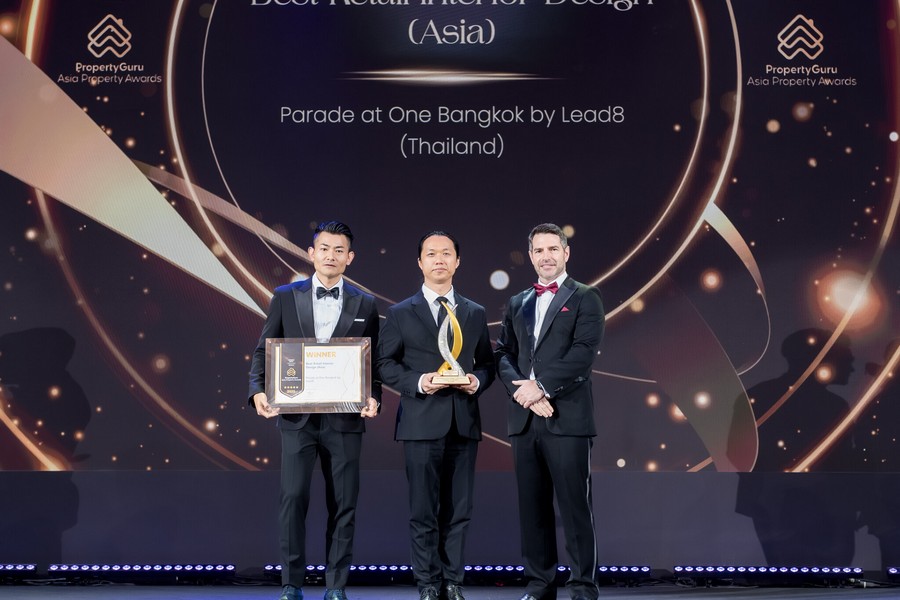
Thailand’s presence at the Grand Final carried particular resonance. Among its seven Best in Asia wins, Reignwood Group claimed Best Luxury Mega Township Development (Asia) for Reignwood Park—an ambitious vision of holistic, resort-scale living that mirrors Thailand’s growing influence in branded residential and lifestyle-led master planning. From coastal residences to architecturally expressive private homes, Thai developers showcased a confident blend of international design language and local sensibility.
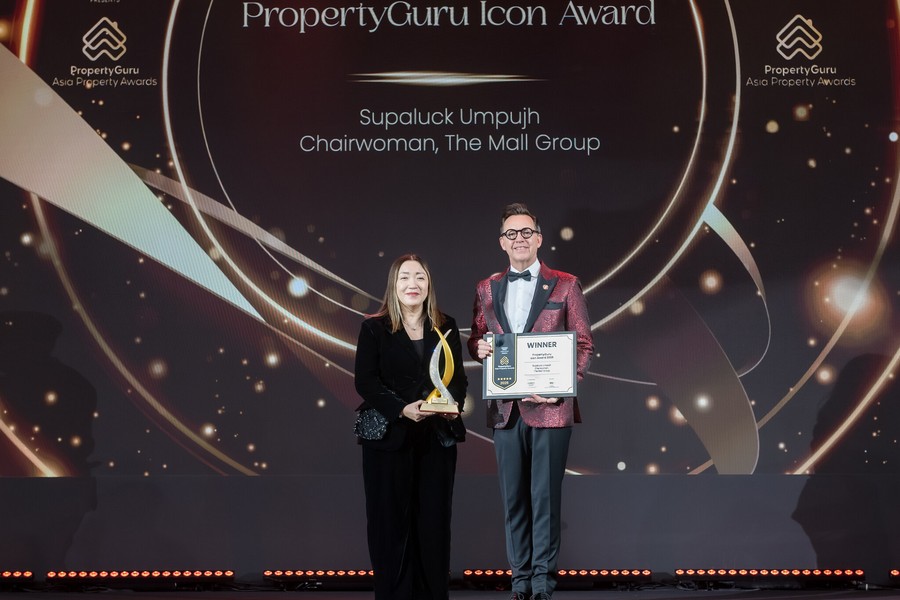
Beyond the projects themselves, the evening also honoured individuals shaping the region’s built environment. Supaluck Umpujh, Chairwoman of The Mall Group, received the PropertyGuru Icon Award, recognising her enduring impact on Thailand’s retail and mixed-use landscape—most notably through Bangkok’s EM District, now firmly established as a regional benchmark.
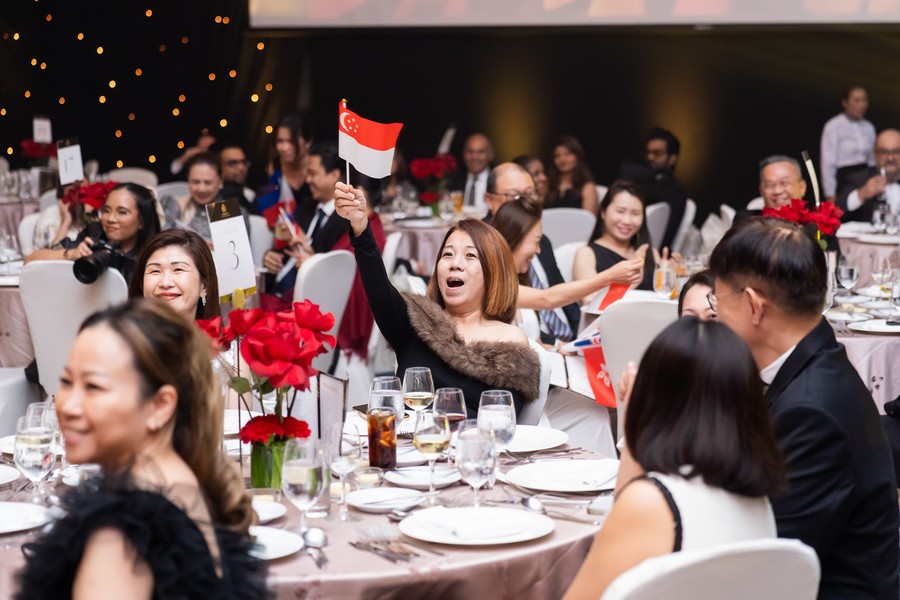
Speaking at the conclusion of the ceremony, Jules Kay, General Manager of the PropertyGuru Asia Property Awards, reflected on an industry navigating complexity with resilience. Despite global headwinds, developers across Asia continue to deliver projects defined by long-term value, environmental awareness, and social responsibility—signals of a market thinking well beyond the next cycle.
What the 20th PropertyGuru Asia Property Awards Grand Final ultimately revealed was a region in transition. Asia’s cities are no longer defined solely by growth metrics or skyline silhouettes. They are being shaped by questions of how people live, age, work, and connect—how buildings contribute to civic life, not just investor returns.
As Asia looks toward the next 20 years of urban development, the winners of 2025 stand as both benchmarks and bellwethers. They signal a future where luxury is quieter, sustainability is embedded, and design is inseparable from purpose. For an industry often accused of excess, this year’s Grand Final offered something far more compelling: confidence with conscience