

Four brands with deep Thai ties are redefining what it means to “go global” in luxury by exporting not a look, but a feeling: grace, calm confidence, and the art of being beautifully looked after.
Thailand has always exported more than beaches and spice-laced cuisine. It has exported a sensation. The soft art of hosting. A warmth that feels innate, a service rhythm that’s attentive without hovering, and an elegance that rarely needs to announce itself.
For decades, Thailand’s finest hotels were where the world came to experience that magic. Now the more compelling story is how a handful of brands connected to Thailand are taking that signature outward, each with its own personality, each with global ambitions, and each proving that modern luxury is no longer defined by marble and spectacle. It’s defined by mood, mastery, and memory.
Dusit Thani, Anantara, Aman, and Mandarin Oriental share a common thread: Thailand sits at the heart of their story. Yet what defines their next chapter is scale with soul. Expansion that doesn’t dilute the thing that made them desirable in the first place.
Dusit Thani – A Bangkok original, rewritten for the next era
Dusit’s story belongs to an era when Bangkok was learning how to be modern without losing its manners. From the start, the ambition was simple and quietly bold: international standards delivered through Thai grace. That instinct has aged beautifully. In today’s world of copy-paste luxury, a service culture that feels genuinely human has become a competitive advantage.
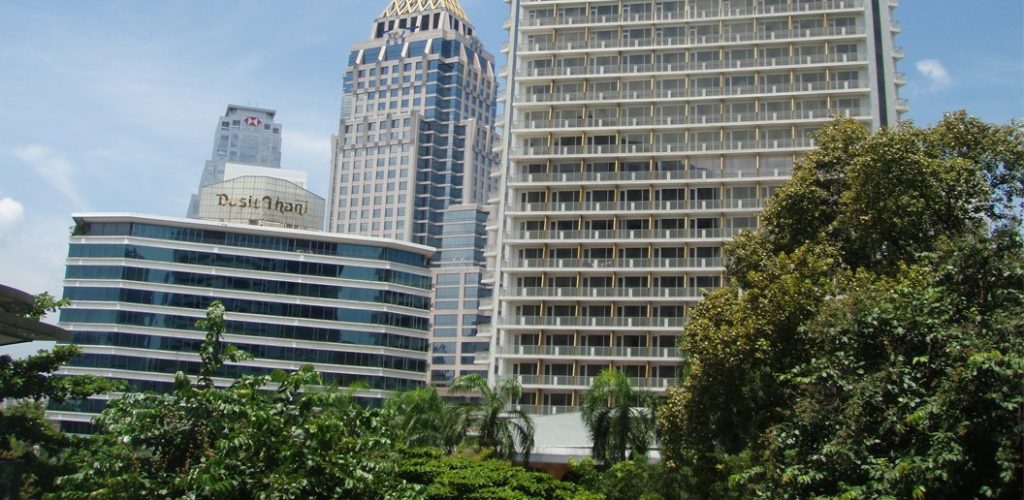
The flagship that sealed Dusit’s identity was Dusit Thani Bangkok. When the original opened in 1970, it wasn’t just a hotel, it was a statement. Bangkok could do luxury on its own terms. It became an address, a social stage, and a symbol of a city stepping confidently onto the world map.
What makes Dusit compelling right now is its refusal to live on nostalgia. The modern incarnation of Dusit Thani Bangkok signals a brand with the confidence to evolve. It’s cleaner, more contemporary, and more about proportion and calm than ornament. It feels like Bangkok itself has matured: less need to impress, more ability to deliver.
And the ambition is backed by real scale. Today, Dusit operates 58 hotels and resorts across 18 countries and four continents, and it sits within a wider ecosystem that includes luxury villa rentals, taking its total portfolio to nearly 300 properties. Those numbers matter because they reflect a shift in posture. Dusit is no longer content to be admired at home. It wants to be judged, and chosen, globally.
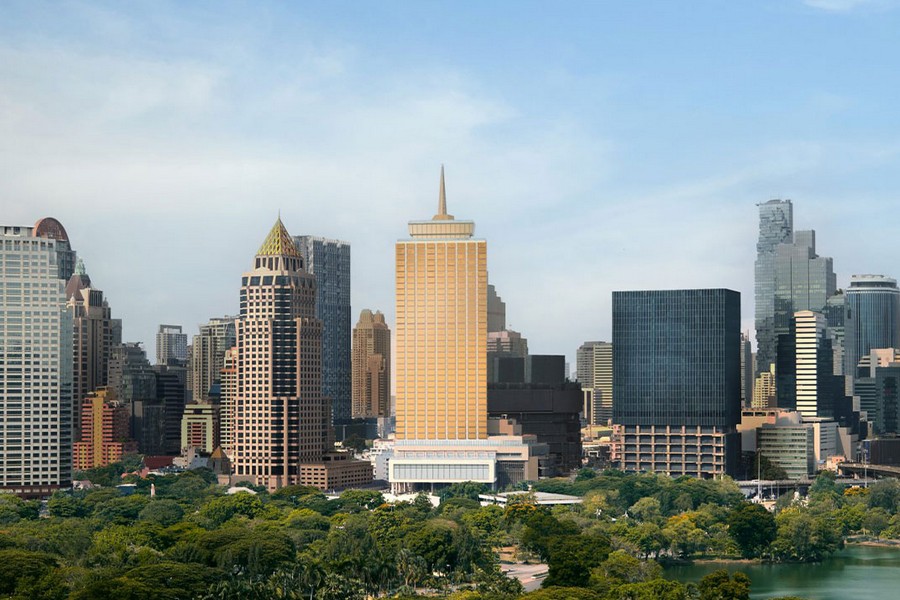
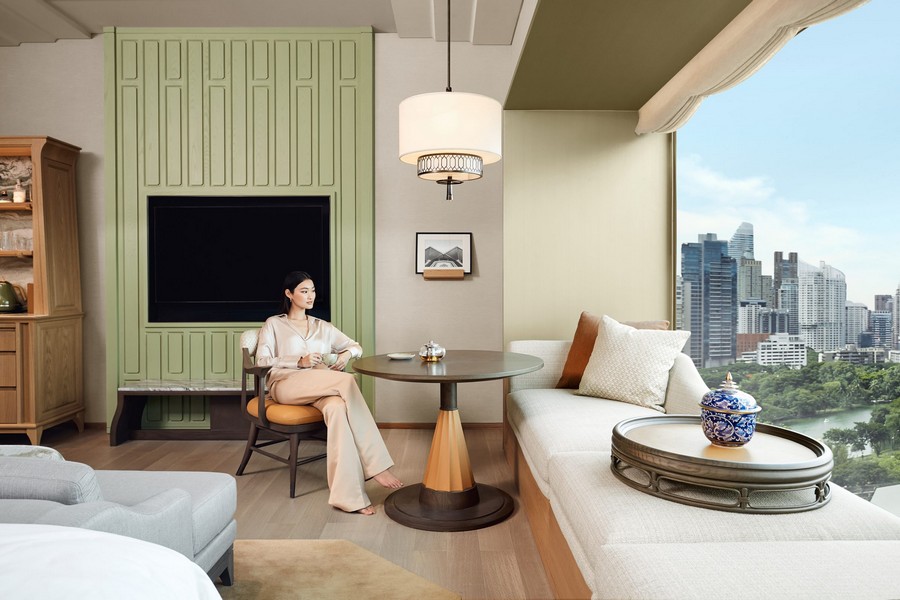
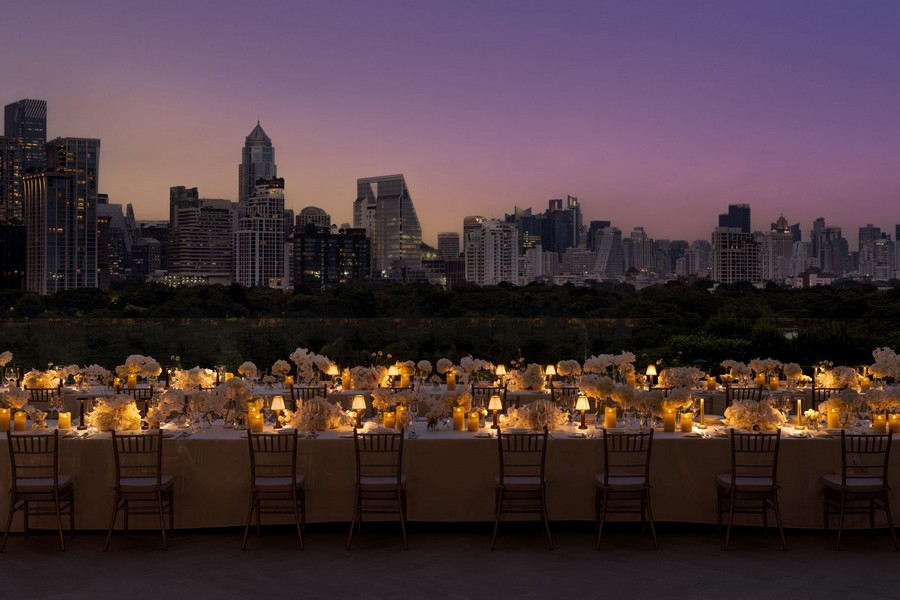
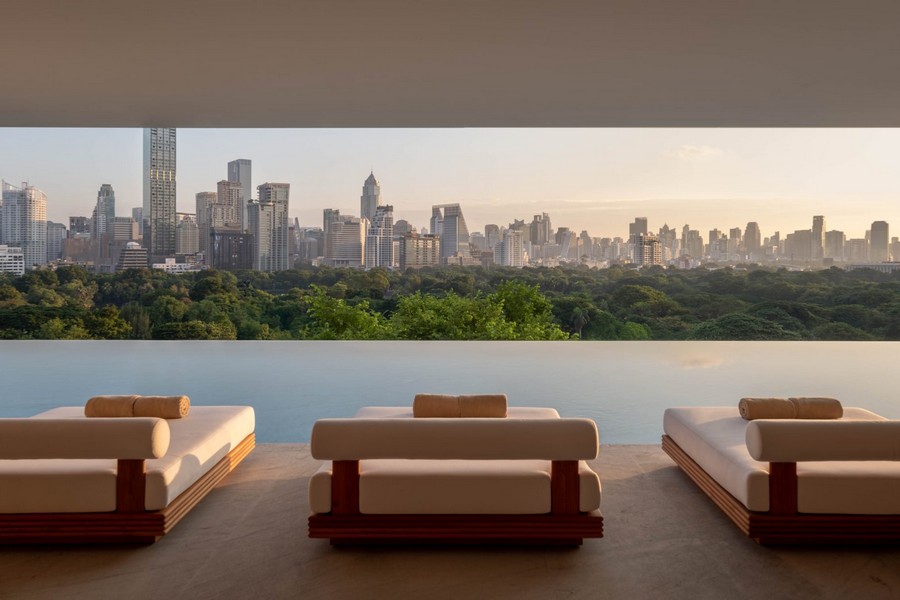
Bangkok flagship moment: Dusit Thani Bangkok
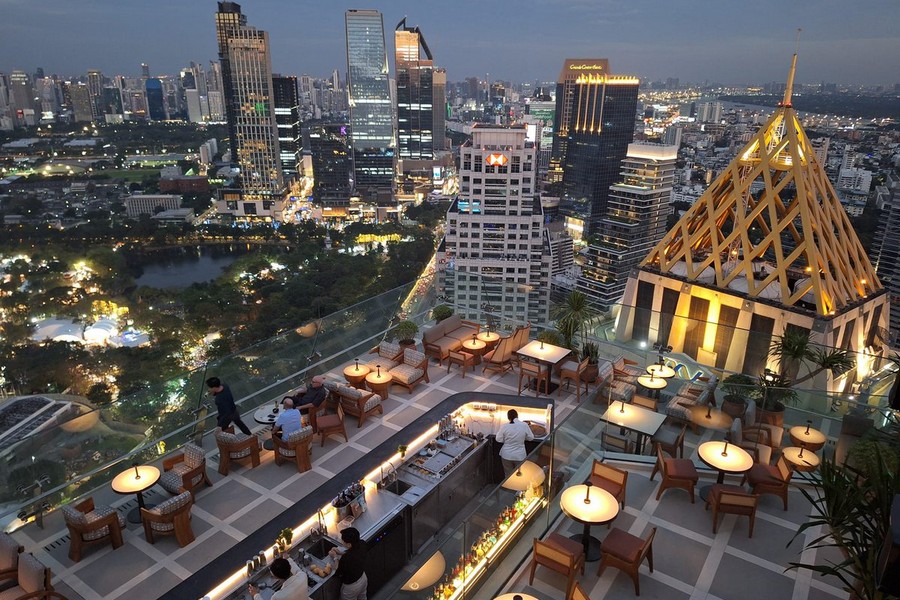
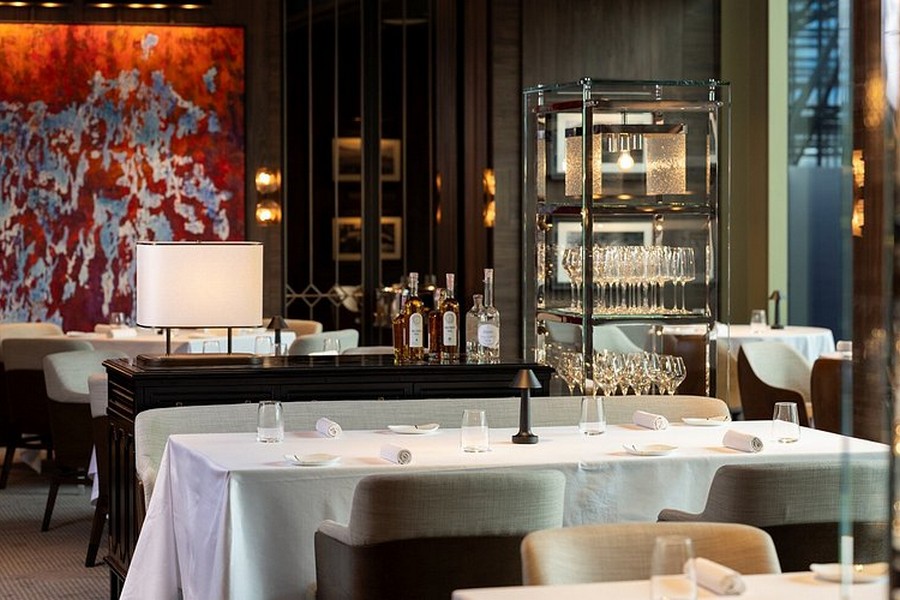
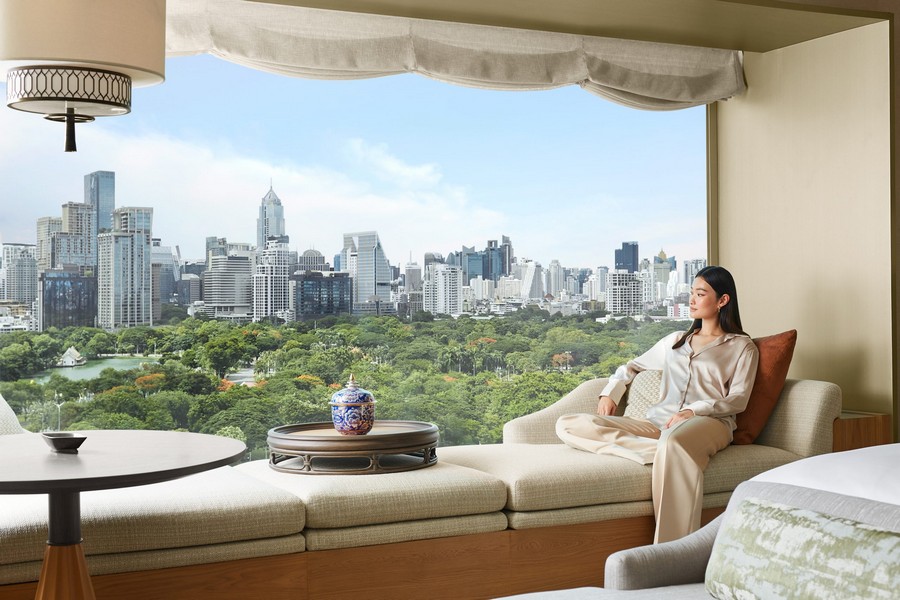
The new Dusit Thani Bangkok doesn’t just occupy a prime location, it uses it. Facing the green expanse of Lumpini Park, it offers that rare Bangkok luxury: breathing room and perspective. It’s also a hotel that understands modern travel is as much about where you spend your evenings as where you sleep. Begin with skyline cocktails at Spire Rooftop Bar, slide into retro glamour at 1970 Bar, and then let the hotel’s culinary jewel do the heavy lifting: Cannubi by Umberto Bombana, a signature dining address that plants a Dusit flag firmly in Bangkok’s most competitive luxury conversation.
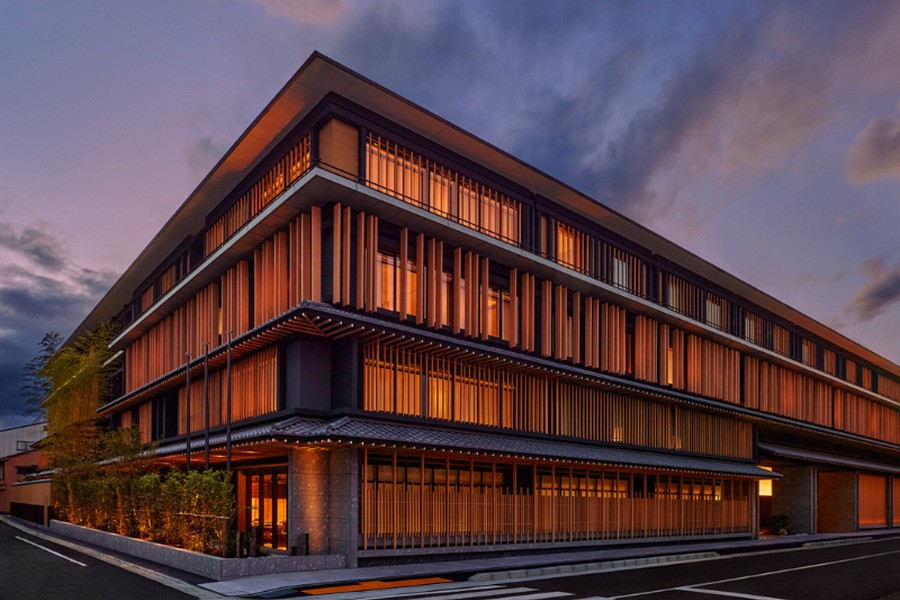
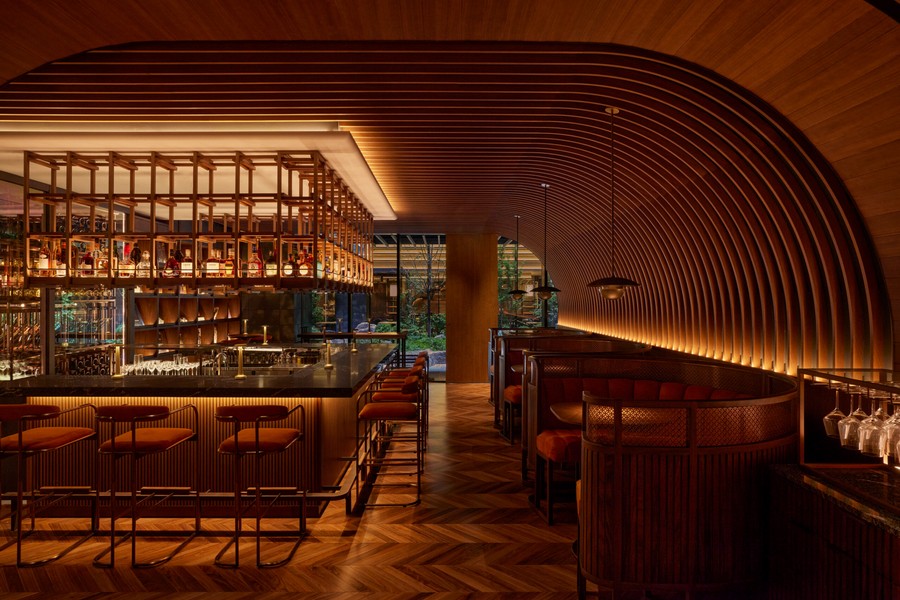
Flagship beyond Thailand: Dusit Thani Kyoto
Kyoto is the kind of city that filters out the merely good. It’s refined, disciplined, and quietly exacting, with a hospitality culture that is practically a national treasure. That is precisely why Dusit Thani Kyoto matters. It’s a flagship emblem because it proves Dusit can translate Thai-rooted warmth into a market where subtlety is the baseline and the details are unforgiving. Kyoto doesn’t reward gimmicks. It rewards consistency. A flagship here signals that Dusit’s “Thai hospitality” is not a theme. It’s a standard that travels.
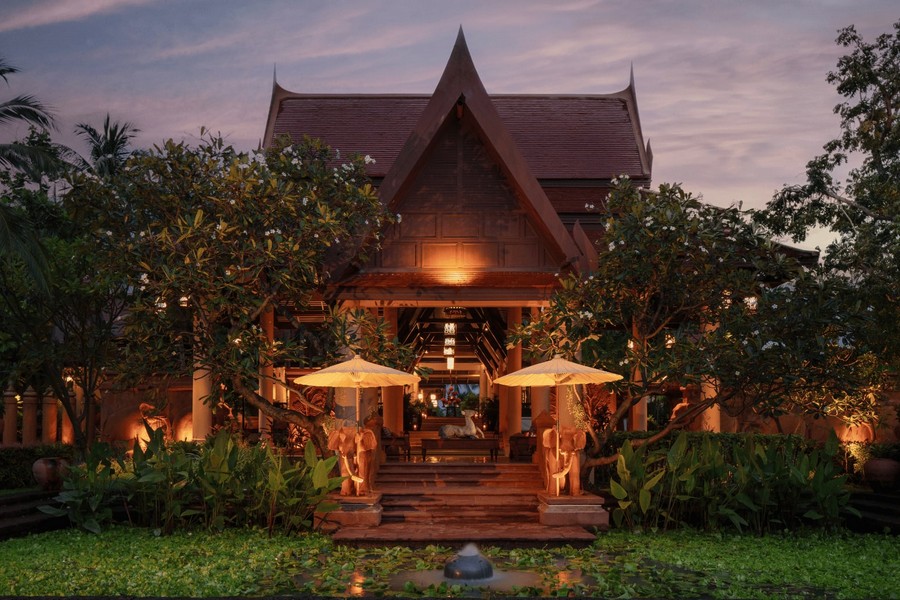
Anantara – Born in Hua Hin, built for the world
If Dusit is Bangkok’s polished confidence, Anantara is Thailand’s sense of place turned into a global luxury language. The brand began in 2001 in Hua Hin, Thailand’s historic seaside retreat town, and from the beginning it understood something many hotels still miss: guests don’t remember thread count. They remember moments.
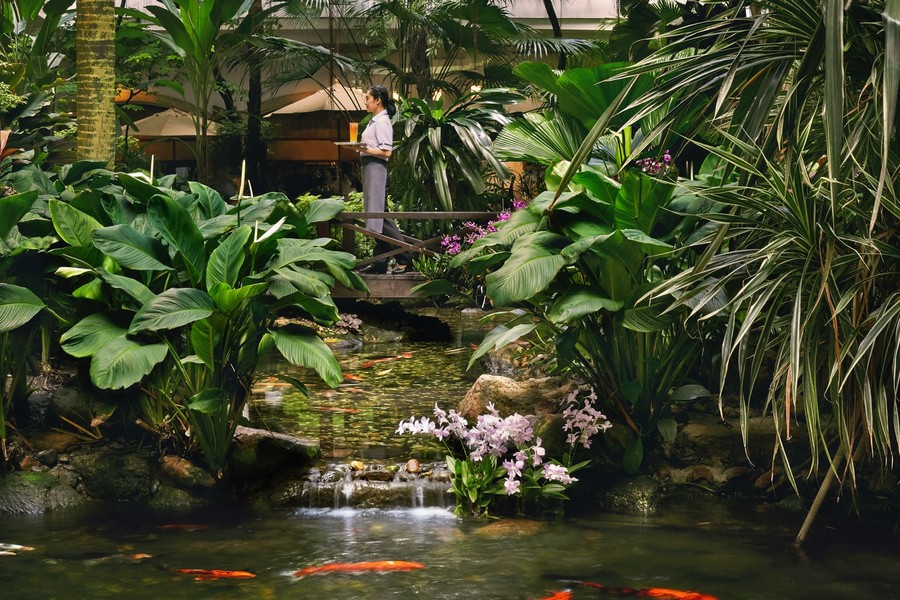
Anantara has become a meaningful global presence with over 50 hotels and resorts. Its footprint spans three continents, anchored across Asia, Europe and Africa, with a geography that also takes in the Middle East and Indian Ocean destinations. It’s the kind of reach that matters in luxury: wide enough to be globally relevant, but curated enough to retain a point of view.
What Anantara does best is experience-led hospitality. It doesn’t simply offer a room; it offers a narrative. It invites guests to engage with a place in a way that feels curated rather than packaged. The brand’s most memorable properties feel like destinations distilled into atmosphere: a sunrise ritual, a chef who interprets local flavours with modern polish, a spa journey that feels rooted rather than generic, a day that unfolds at an unhurried pace.
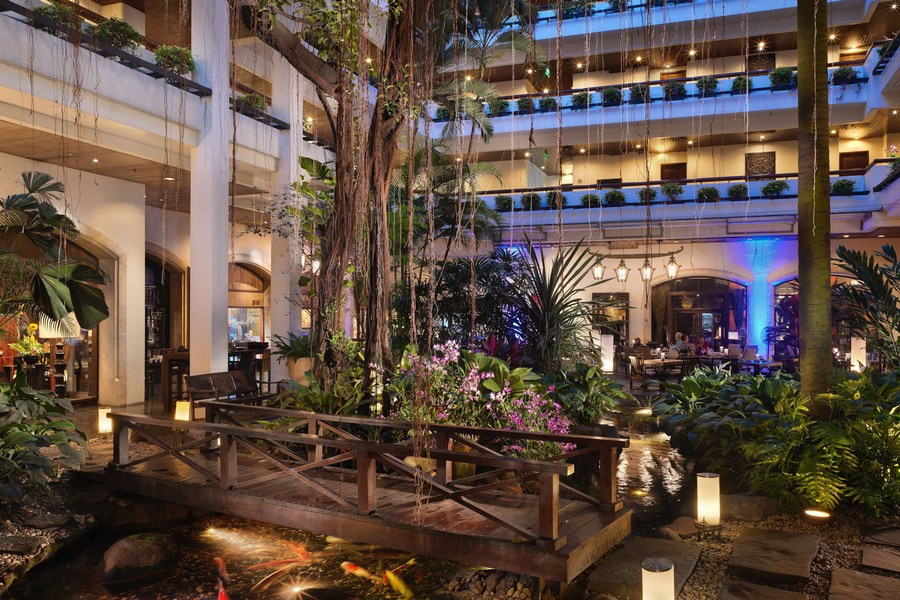
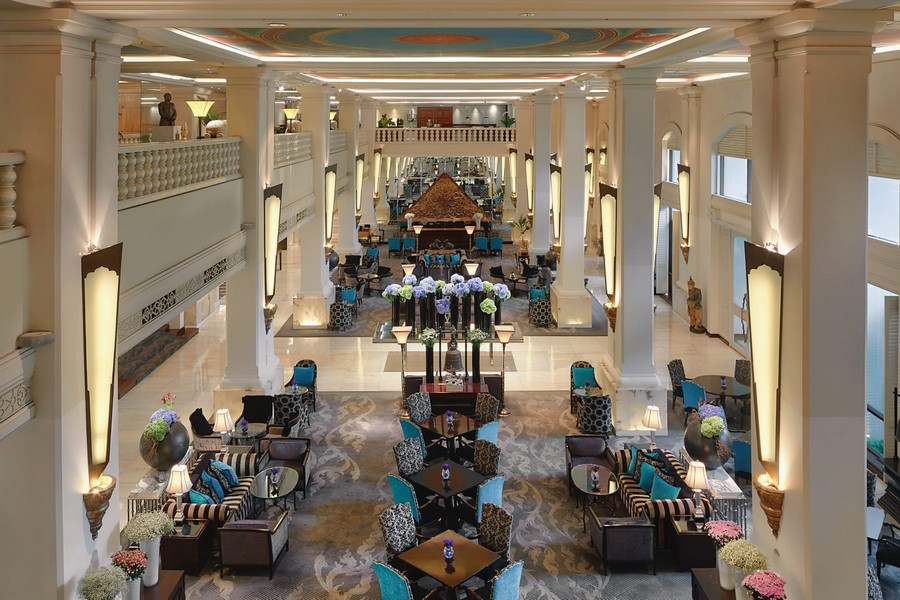
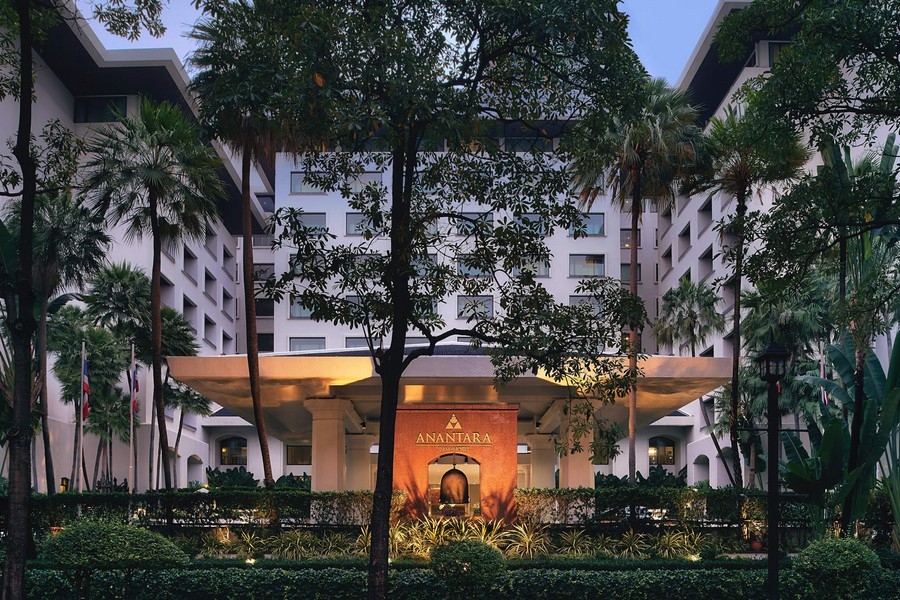
Bangkok flagship moment: Anantara Siam Bangkok
Anantara Siam is the brand’s Bangkok calling card, the kind of city hotel that still carries a sense of occasion. Set in the Ratchadamri area, it places guests within easy reach of Bangkok’s most coveted neighbourhoods while maintaining a calm, composed atmosphere that feels like a refuge from the city’s tempo. And it has a signature that locals and travellers alike recognise: Spice Market, its storied Thai restaurant, an institution for classic flavours delivered with elegance. A flagship should tell you who the brand is in a single stay, and Anantara Siam does exactly that: polished, Thai at the core, and quietly confident.
Flagship beyond Thailand: Anantara Palazzo Naiadi Rome
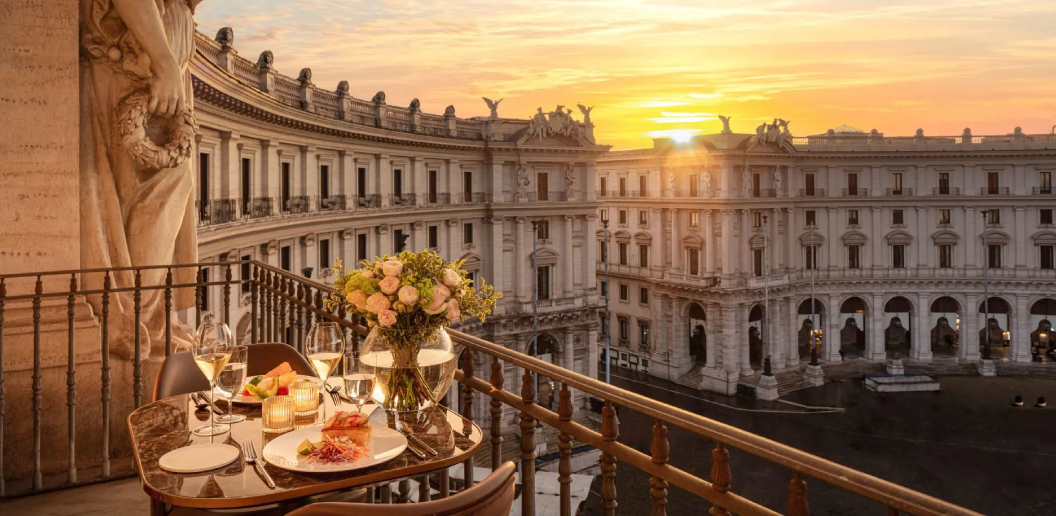
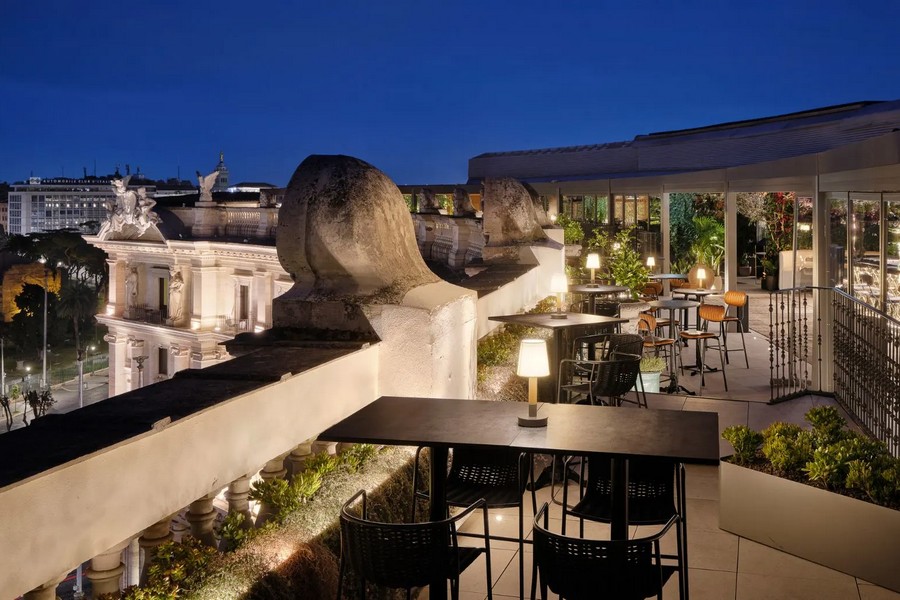
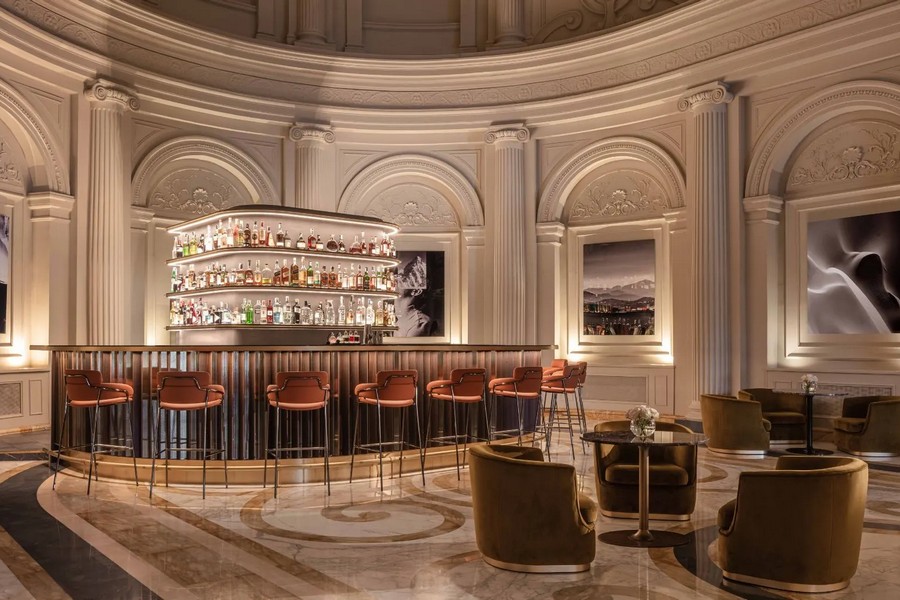
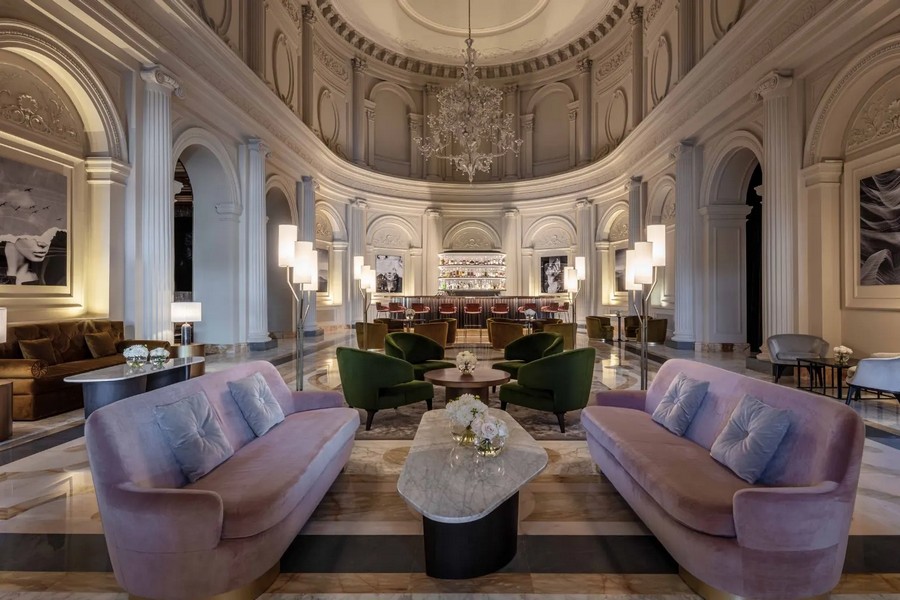
Rome is a city that humbles brands. It’s saturated with history and crowded with luxury addresses that trade on heritage. In that environment, a flagship must prove credibility, not just style. That’s what makes Anantara Palazzo Naiadi such a potent emblem of the brand’s global ambition. It signals range. Anantara isn’t confined to beaches and island escapes; it can inhabit a grand European setting and still feel coherent. It’s a flagship because it aligns perfectly with Anantara’s identity: experience-led luxury rooted in place, delivered with a sense of arrival that feels both elevated and authentic.
Aman – The sanctuary that started in Phuket and taught the world to whisper
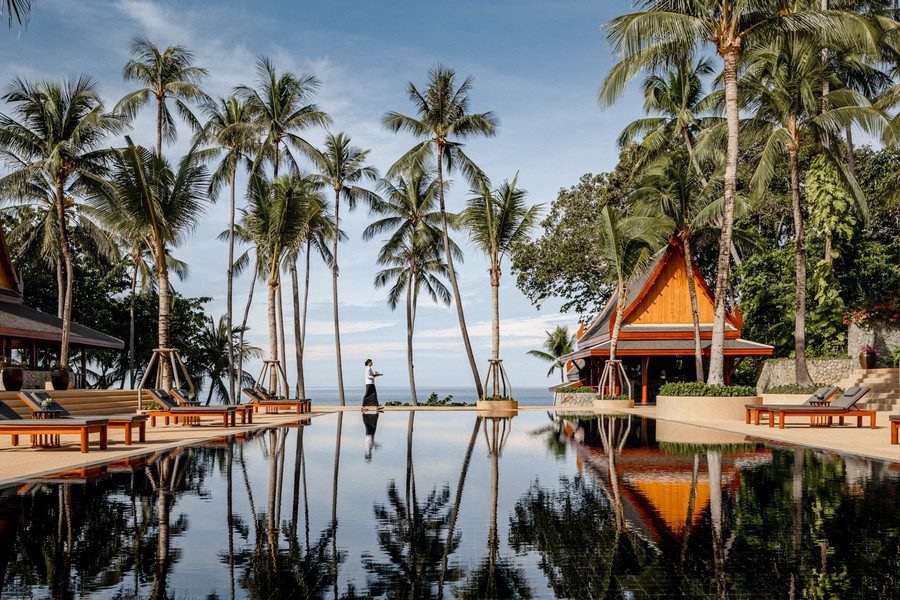
Aman’s origin story didn’t simply launch a hotel brand. It shifted the definition of luxury. In 1988, Amanpuri opened in Phuket and introduced a radical idea for its time: stillness can be the ultimate indulgence. While luxury hospitality once equated “five-star” with spectacle, Aman made serenity feel expensive.
Today, Aman remains intentionally rarefied: 35 hotels and resorts across 20 countries, spanning Asia, Europe, Africa and the Americas. It’s a portfolio built on restraint, and the restraint is the point. Aman’s influence can be seen everywhere in the rise of quiet-luxury retreats and minimalist wellness hotels, but true Aman is hard to copy because it isn’t simply an aesthetic. It’s discipline: privacy, proportion, and service delivered with near-invisible precision.
Aman’s global aspiration isn’t to be everywhere. It’s to be unmistakable. The brand’s most loyal guests aren’t chasing novelty, they’re chasing a feeling: the sense that the outside world has been edited out, leaving only beauty, calm, and a service culture that anticipates without intruding.
Bangkok flagship moment: Aman Nai Lert Bangkok
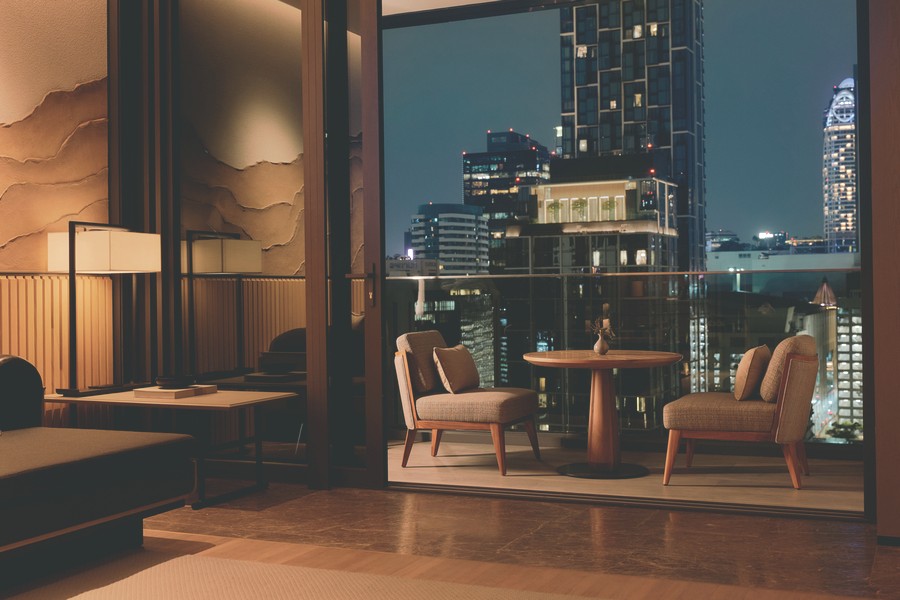
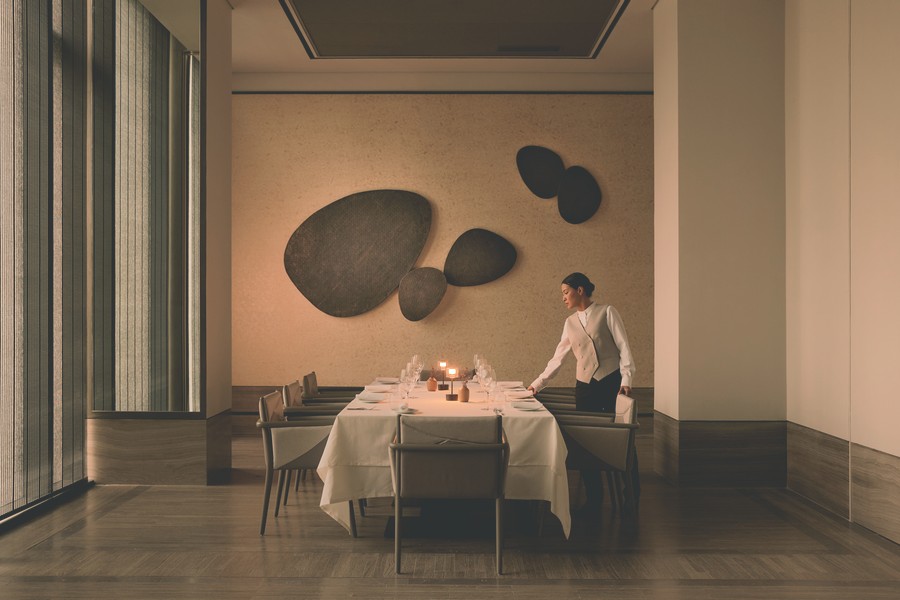
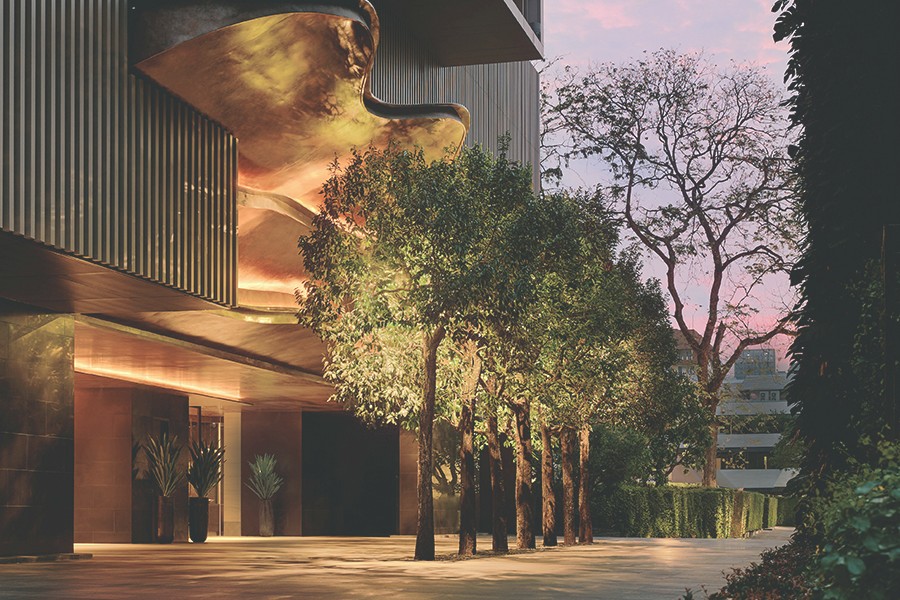
Aman’s Bangkok presence is a fascinating signal of how the city has evolved. Set within Nai Lert Park, a rare green enclave in the capital, the hotel feels like a pause button in the middle of Bangkok’s energy. And it arrives with Aman’s signature confidence: all suites, just 52 of them, paired with a serious wellness statement in the form of a 1,500-square-metre Aman Spa and Wellness centre. The dining leans into Aman’s quiet internationalism, anchored by Arva, its signature Italian concept, alongside Japanese experiences crafted with the precision you’d expect from a brand that treats detail as religion. This isn’t a hotel chasing a scene. It’s a hotel offering escape.
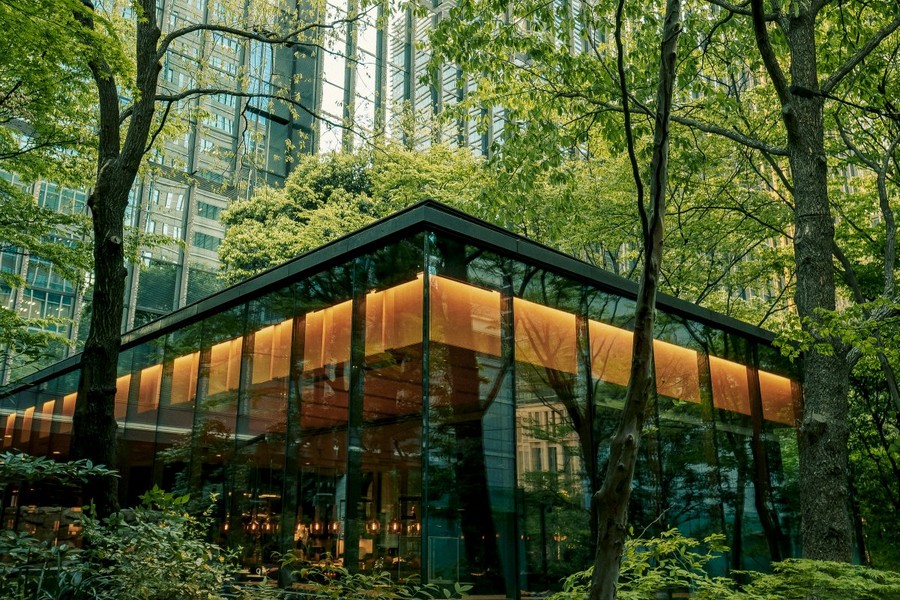
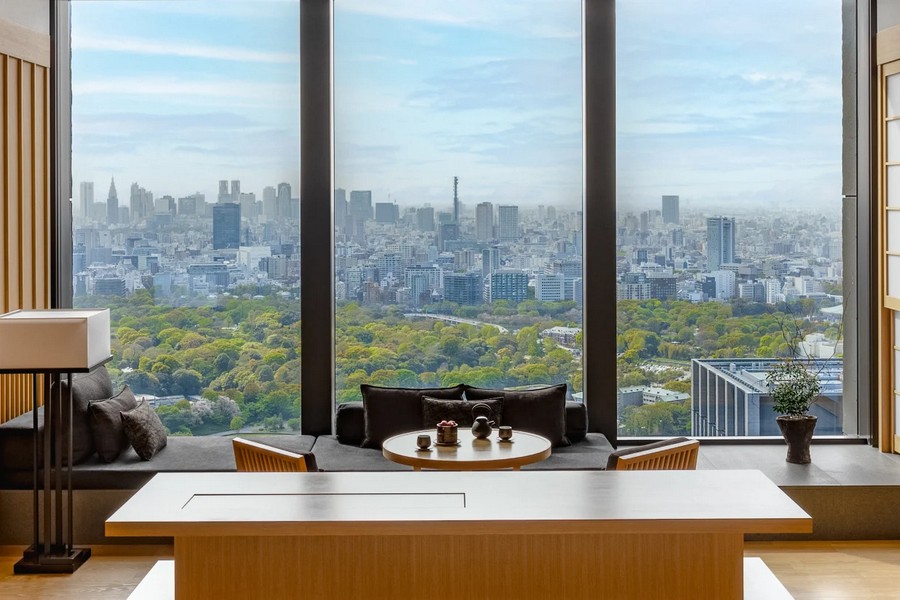
Flagship beyond Thailand: Aman Tokyo
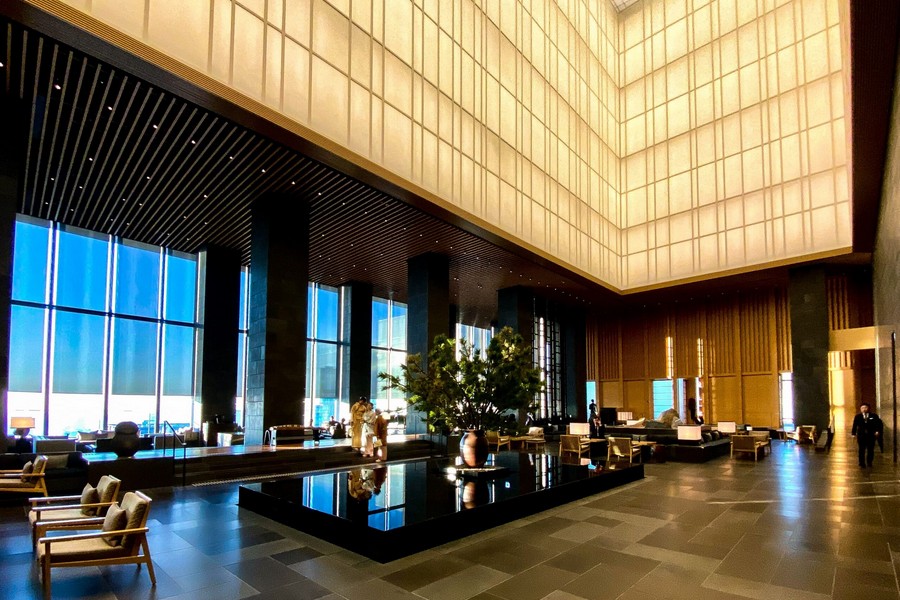
Aman Tokyo is a flagship emblem because it proves Aman isn’t a beach brand, it’s a philosophy brand. Tokyo is one of the most exacting luxury markets on earth, a city where detail is not a preference but a culture. Aman Tokyo succeeds because it translates sanctuary into a vertical, urban world without losing its soul. Step inside and the city’s noise dissolves. Space feels sacred. Design is restrained and purposeful. Service is delivered with a composed intelligence that feels almost telepathic. It’s the purest expression of Aman’s global promise: calm, anywhere.
Mandarin Oriental
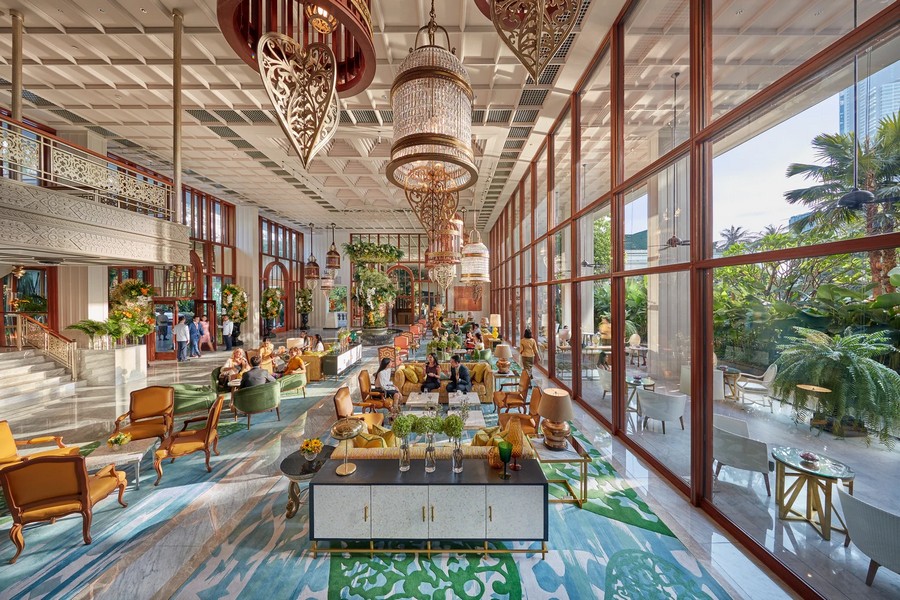
Mandarin Oriental occupies a special position in this quartet. It is both historic and intensely modern, a global luxury name shaped by Asian flagships and sustained by a service culture that has become a benchmark in itself. Today the group operates 45 hotels in 28 countries and territories across four continents, and it extends into branded living through residences and exceptional homes that broaden the brand from “stay” to “lifestyle.”
But Mandarin Oriental’s power is not scale alone. It is consistency with soul. Many legendary hotels eventually feel like monuments, beautiful but slightly frozen. Mandarin Oriental has avoided that fate by treating hospitality as craft: disciplined, elegant, and deeply human.
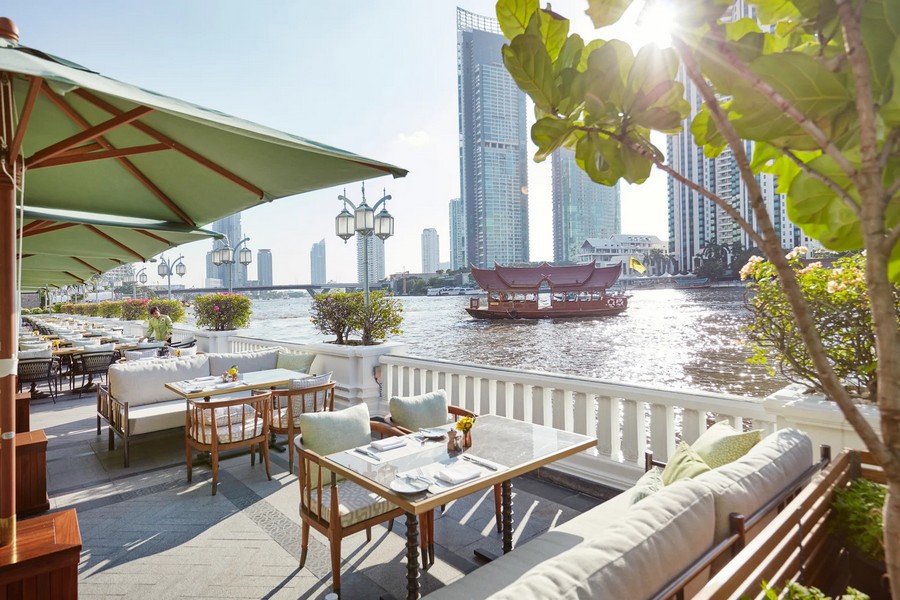
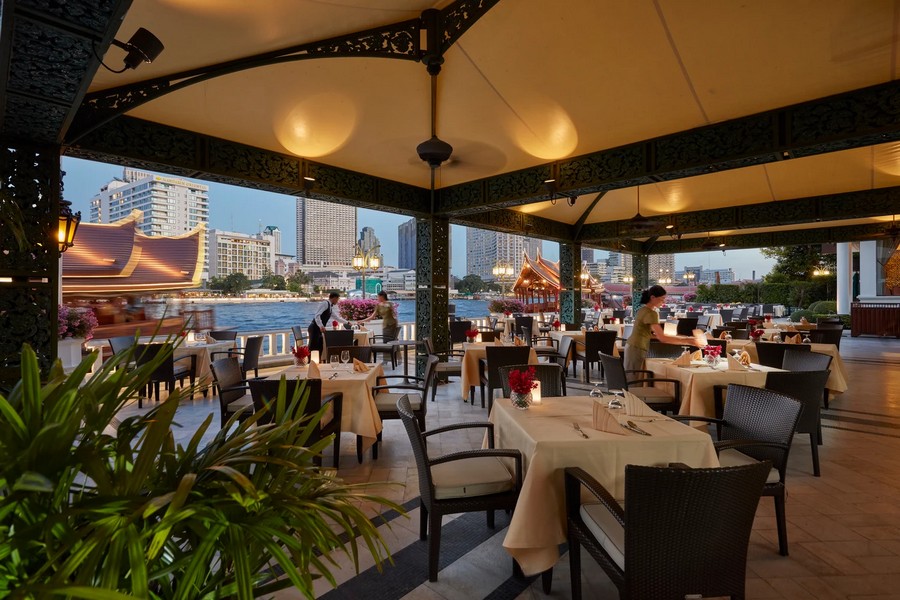
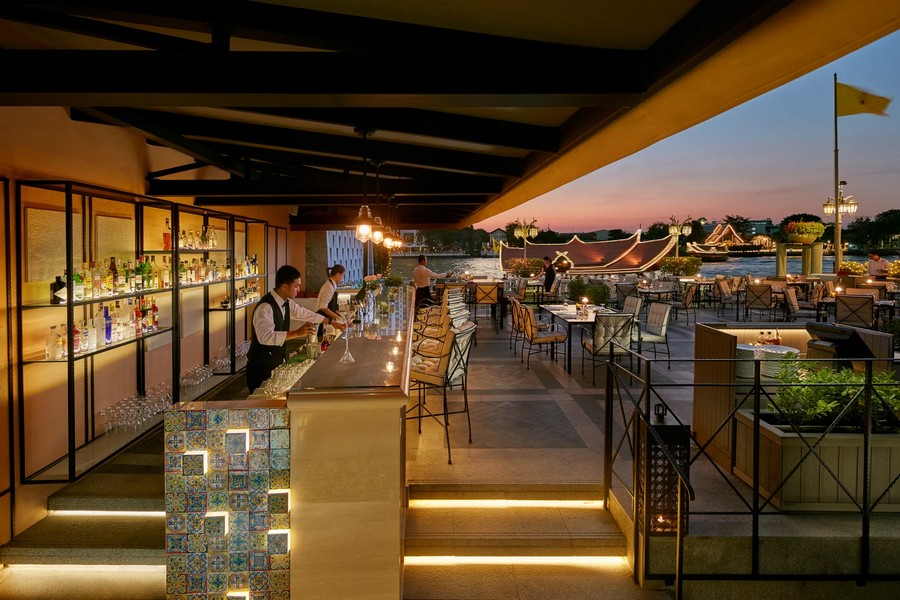
Bangkok flagship moment: Mandarin Oriental, Bangkok
There are river hotels, and then there is this one. Mandarin Oriental, Bangkok doesn’t merely sit on the Chao Phraya, it uses the river as part of its theatre: arrivals, light, mood, and that unmistakable sense you’re stepping into a classic. The signature most guests speak about in the same breath as the hotel itself is The Bamboo Bar, Bangkok’s first jazz venue, a seductive institution since 1953 with a 1950s ambience that feels more lived-in than staged. Beyond the bar, the hotel’s world is layered: the romance of the Authors’ Lounge, the calm ritual of its spa experience, and the effortless grace of service that remains, even now, one of the industry’s gold standards. It’s a flagship not because it is historic, but because it is alive.
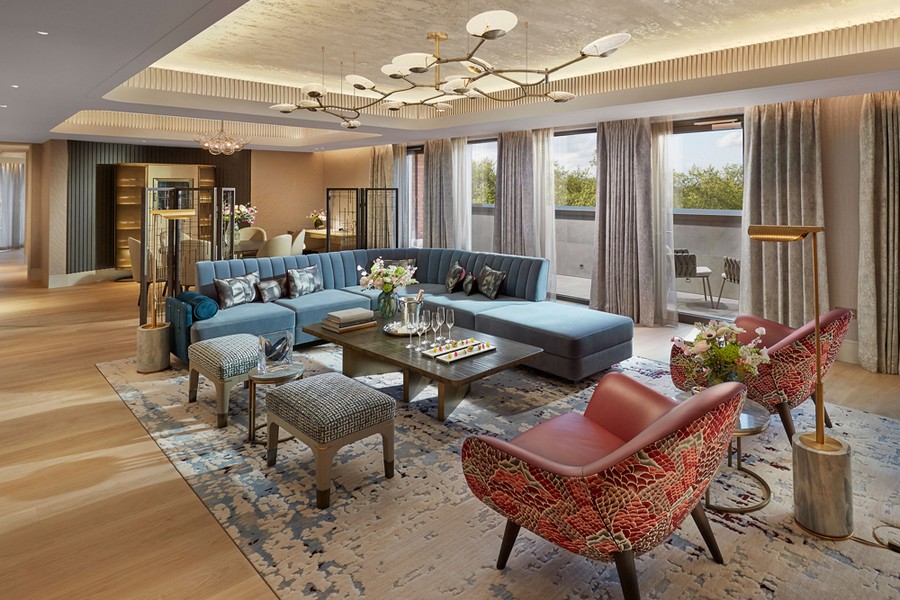
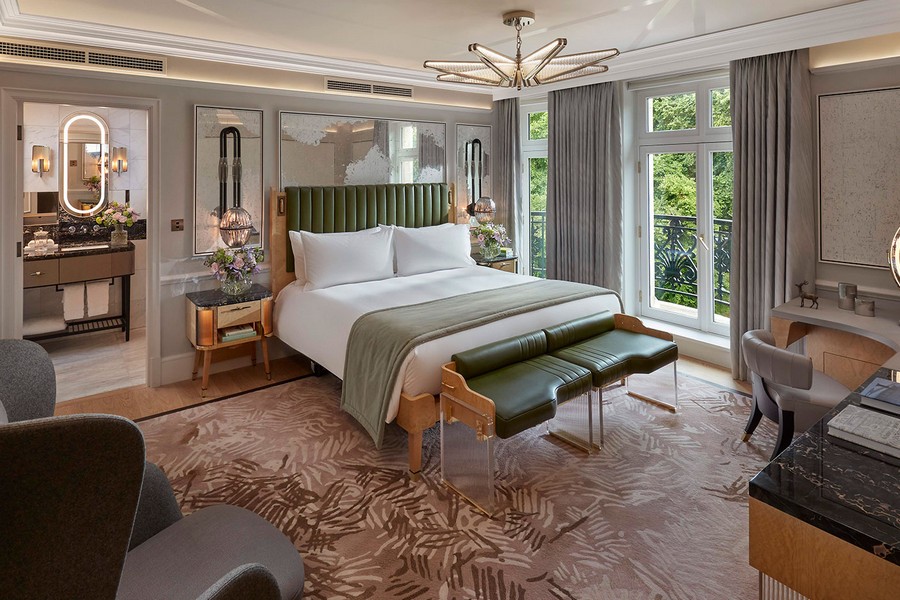
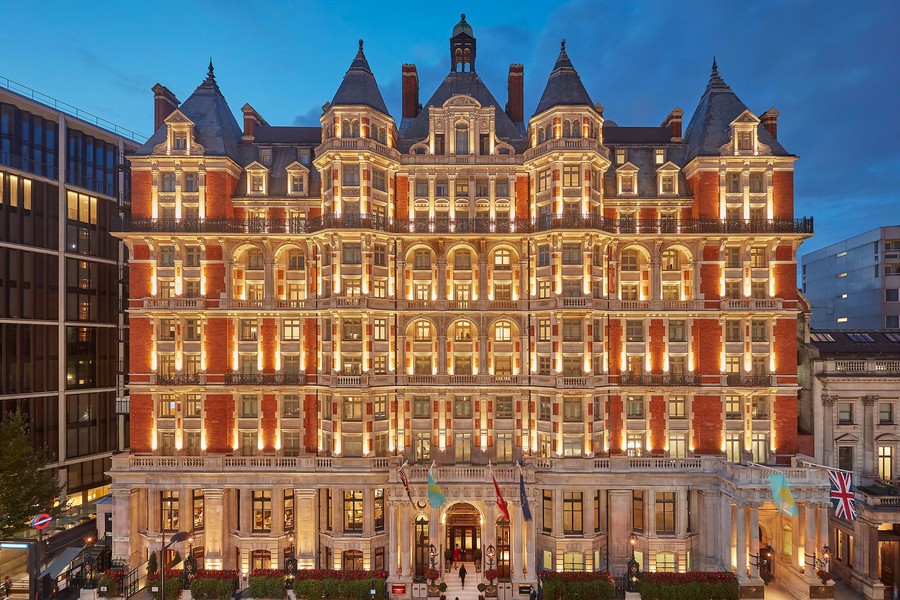
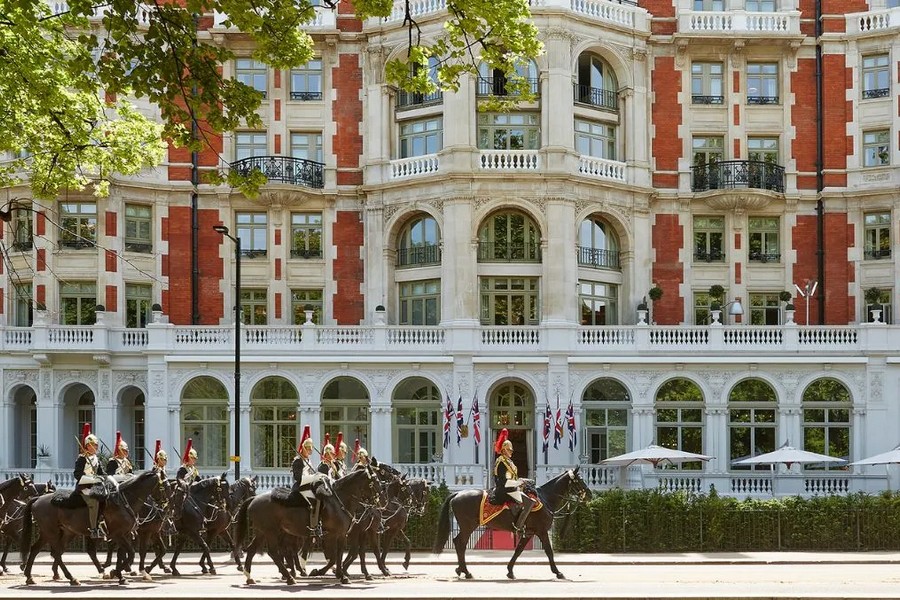
Flagship beyond Thailand: Mandarin Oriental Hyde Park, London
London is a brutally competitive luxury market. It’s saturated with iconic hotels and filled with guests who are not easily impressed. That’s why Mandarin Oriental Hyde Park is such a definitive emblem. It proves the brand’s greatest asset, service as discipline, translates seamlessly into a Western capital without losing the Mandarin Oriental signature: poised, elegant, quietly attentive. In a city full of grand addresses, it stands out by doing what Mandarin Oriental does better than almost anyone: making you feel hosted, not processed.
Put these four names side by side and you see a new map of Thai-rooted luxury taking shape.
Dusit is the evolution of a Bangkok icon into an international competitor: 58 hotels and resorts across four continents, with a wider ecosystem approaching 300 properties that gives the group serious reach.
Anantara is experience-led luxury at scale: over 50 hotels and resorts spanning three continents, expanding the brand story from Thai seaside roots to Europe’s great heritage cities and beyond.

Aman is the sanctuary philosophy born in Phuket, now spanning four continents with 35 hotels and resorts across 20 countries, proving that quiet can be the ultimate status symbol.
Mandarin Oriental is the global legend shaped by Asian flagships: 45 hotels across four continents, scaling carefully while protecting the service culture that made it iconic.
What unites them is not a shared design language. It’s a shared belief that luxury is emotional. The best hotels don’t just impress; they restore. They create calm, confidence, and connection. They understand that the most powerful experiences are often the simplest ones done flawlessly: a welcome that feels personal, a room that feels like a refuge, a service rhythm that anticipates without intruding.
Luxury travel is shifting. Guests are increasingly unimpressed by spectacle. The new status symbols are space, privacy, quiet, and authenticity. These are areas where Thailand, and Thai-rooted brands, have always been naturally strong. Thai hospitality is not a gimmick. It is a cultural advantage.
And through these four brands, it’s becoming something more: a global force, quietly, confidently, and beautifully.