

In a world of mass-produced luxury, the true connoisseur seeks the “one-of-one.” We explore the rarified world of bespoke haute horlogerie, where the only limit to craftsmanship is the owner’s imagination.
The golden hour in the Gulf of Thailand possesses a specific, transformative light. As the sun dips toward the horizon, casting a warm glow over the teak deck of a custom-built superyacht, the light catches the crystal of a timepiece that—quite literally—exists nowhere else on Earth. In this moment, under sunny blue skies and the gentle spray of the Andaman, the distinction between a luxury object and a personal legacy becomes clear.
For the modern ultra-high-net-worth individual, the acquisition of a “standard” complication, however prestigious, no longer represents the summit of the collecting journey. We are witnessing a monumental shift toward the bespoke—a return to the 18th-century tradition where a patron did not merely buy a watch but commissioned a masterpiece.
The Zenith of Craftsmanship: Les Cabinotiers
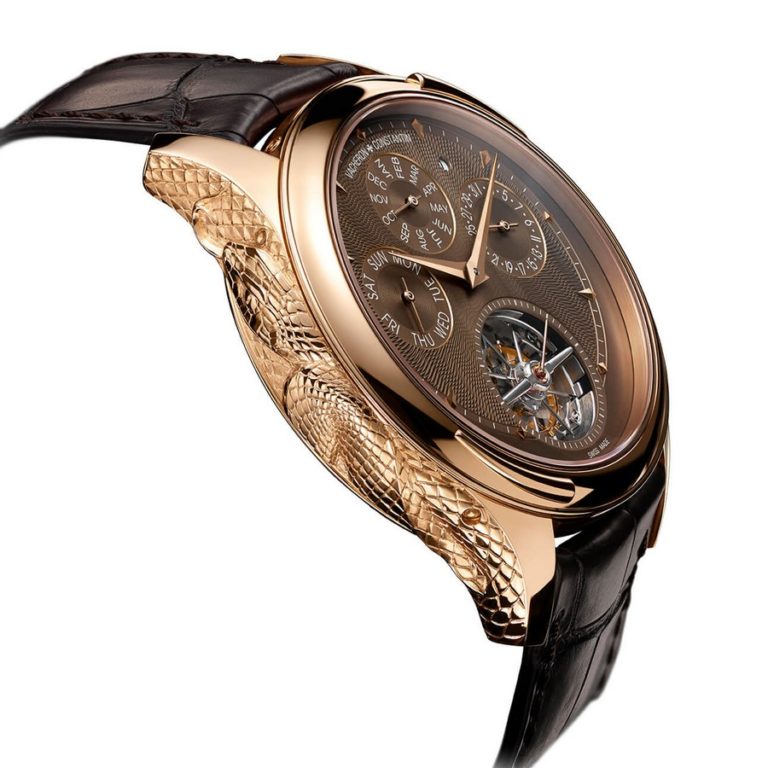
To understand the absolute peak of this movement, one must look toward Geneva and the hallowed halls of Vacheron Constantin. Their Les Cabinotiers department is the spiritual successor to the Enlightenment-era artisans who worked in the light-filled attics of the city. Today, this division functions as a “secret” atelier where the world’s most influential collectors collaborate with master watchmakers, engravers, and enamellers to bring a vision to life.
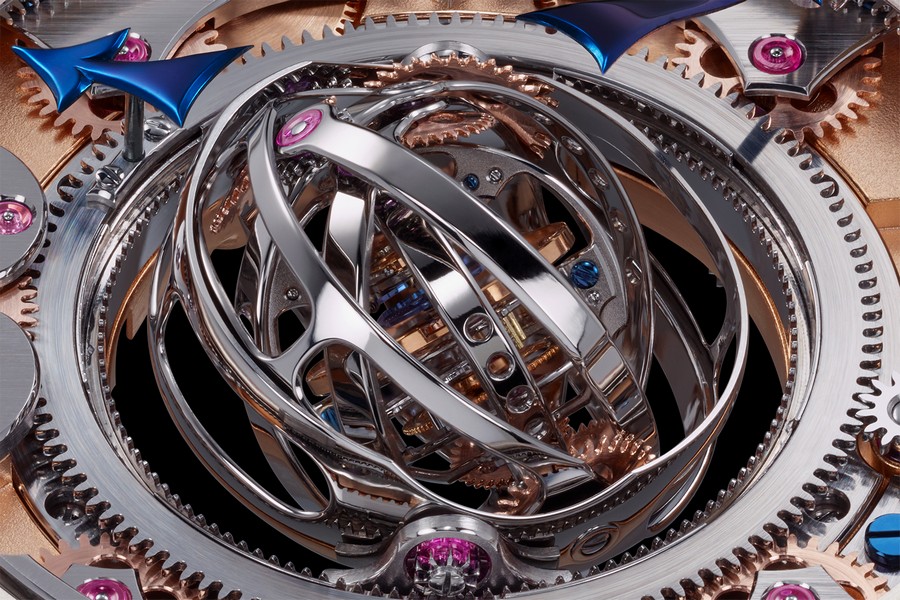
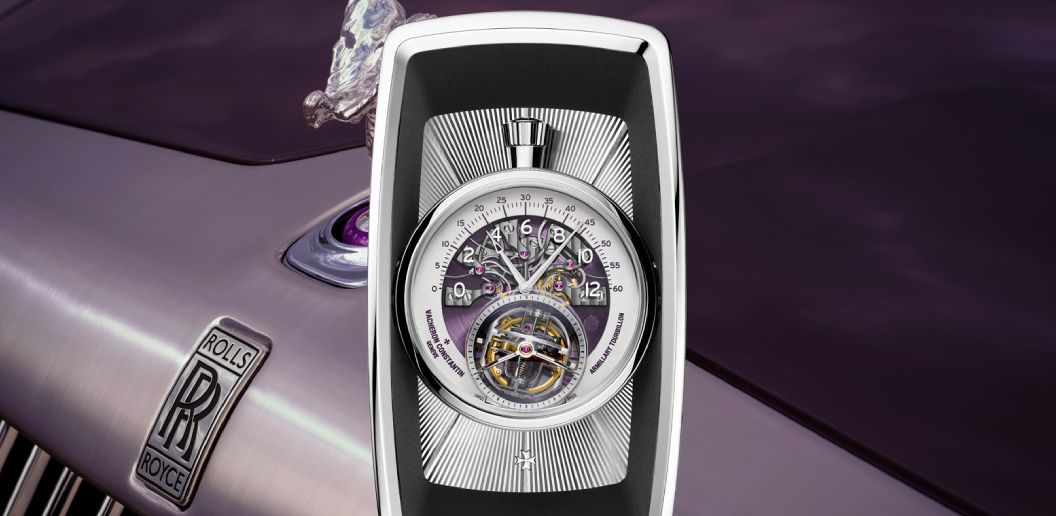
Consider the sheer opulent scale of a recent commission: a client requested a bespoke armillary tourbillon designed to be integrated into the dashboard of their Rolls-Royce Amethyst Droptail. This is not merely watchmaking; it is an architectural triumph of mechanical engineering. The movement must withstand the vibrations of the road while maintaining the chronometric precision expected of a grand complication. Such a project requires years of dialogue, hundreds of technical drawings, and an exceptional level of trust between the Maison and the collector.
A Narrative on the Wrist
The allure of bespoke horology lies in its ability to tell a personal story. While a factory-produced perpetual calendar is a marvel of physics, a bespoke piece is a reflection of a life lived.
“The bespoke client isn’t looking for a brand name they can find in a boutique window,” notes one regional collector based in Bangkok. “They are looking for a physical manifestation of their heritage, their passions, or a specific moment in time.”
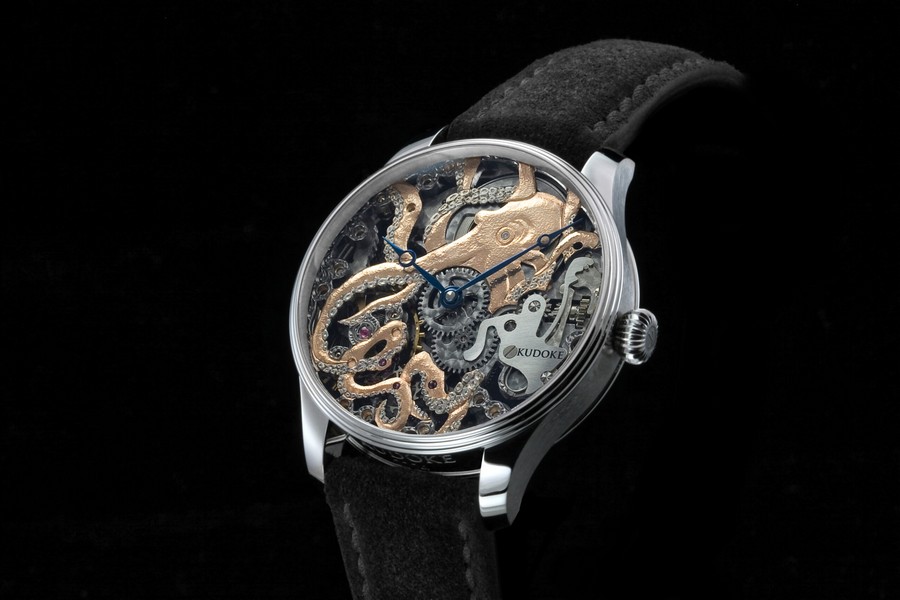
This narrative is often captured through the “Metiers d’Art”—the rare hand-crafts that transform a dial into a canvas. We see an increasing demand for Grand Feu enamel work that depicts a family’s ancestral estate, or micro-sculptures of mythical creatures significant to the owner’s culture, rendered in 18k gold with a level of detail that requires a microscope to truly appreciate. The prestigious nature of these pieces is matched only by their scarcity; most of these creations are destined to be family heirlooms, never to see the light of an auction house for generations.
The Rise of Factory Personalization
While the “one-of-one” commission remains the holy grail, several leading maisons have begun offering “deep personalization” programs that bridge the gap between ready-to-wear and full bespoke. Zenith, for instance, has embraced this through limited-run collaborations and factory-level customization that allows the elite to select unique materials, colorways, and movement finishes that are unavailable to the general public.
In the realm of high-jewelry timepieces, Jacob & Co. has redefined the boundaries of the possible. For the Bangkok elite, who often appreciate a more daring and aspirational aesthetic, the ability to commission a “Billionaire” or “Astronomia” piece with specific rare-earth gemstones—matched to the color of a specific supercar or a family crest—is the ultimate expression of style. Here, the craftsmanship is as much about the sourcing of the stones as it is the calibration of the tourbillon.
The Experience of Creation
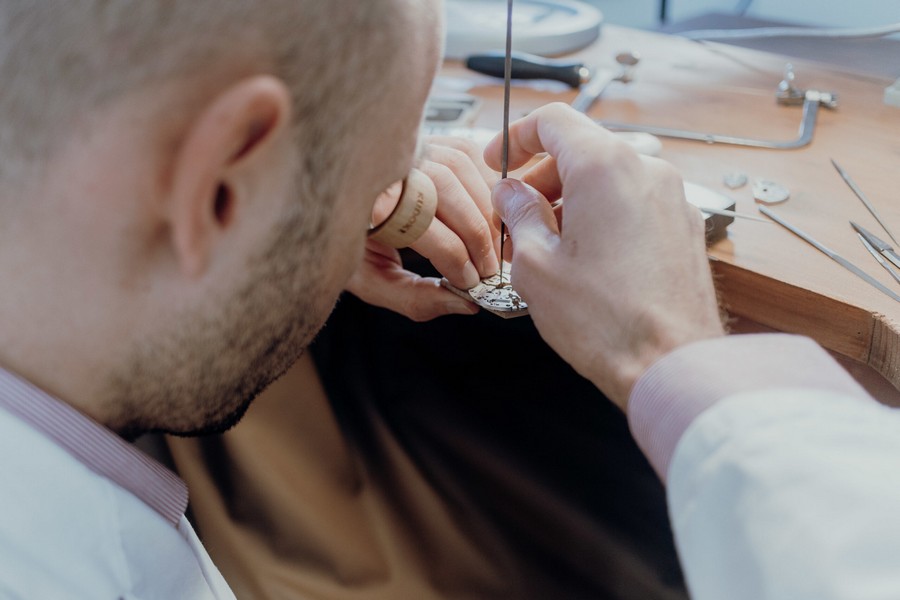
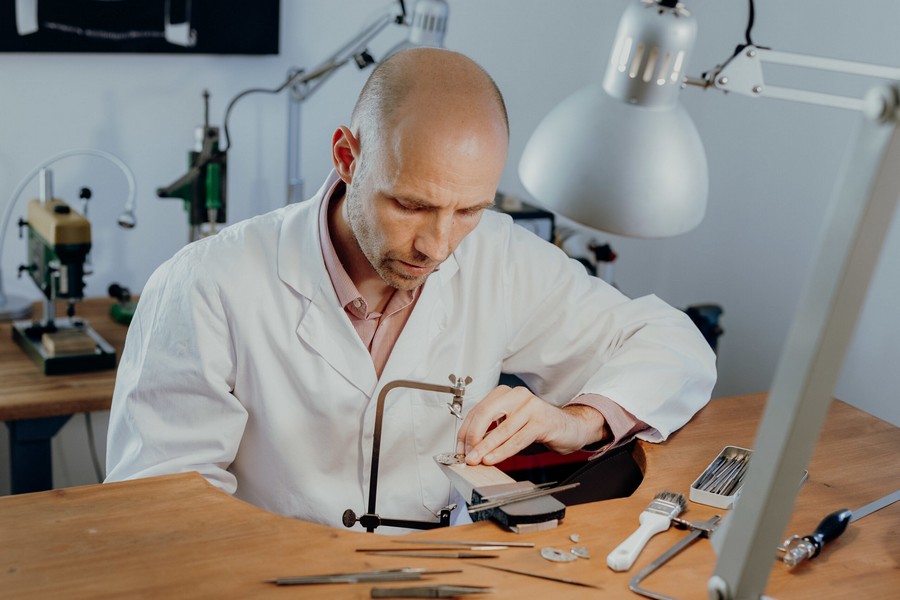
Here the luxury is as much in the process as it is in the product. To commission a bespoke timepiece is to embark on a journey. It involves private consultations in Geneva or Singapore, visits to the workshops to see the movement being hand-finished, and the exhilarating moment of the final reveal.
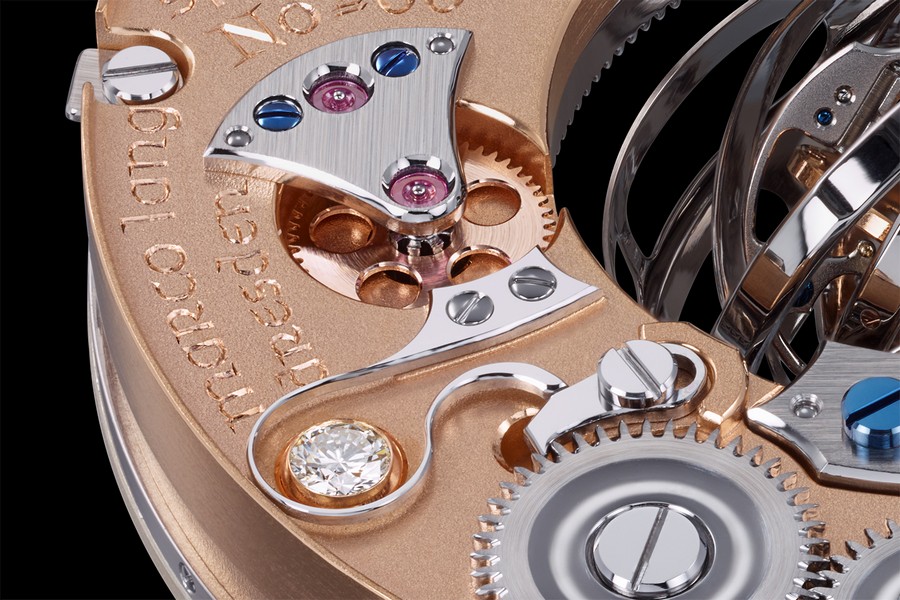
It is a slow luxury. In an age of instant gratification, waiting two to three years for a timepiece to be completed is, in itself, a status symbol. It signals that the owner possesses the one thing money cannot usually buy: patience.
A Legacy in Motion
As we look across the landscape of luxury in 2026, it is clear that the “Bespoke Time” era is here to stay. These watches are more than just instruments for measuring the passing hours; they are the anchors of a prestigious lifestyle. They represent a rejection of the anonymous and a celebration of the individual.
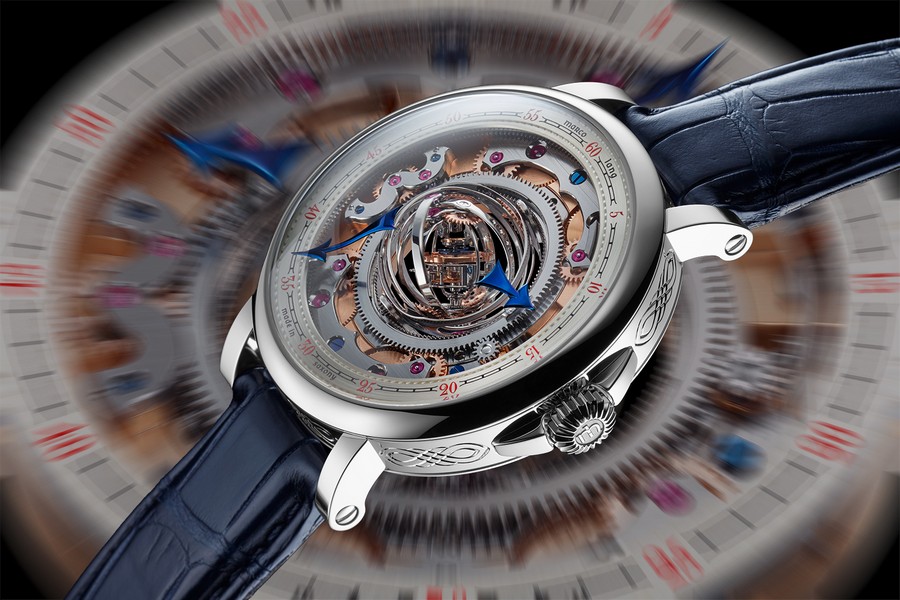
Whether it is a Vacheron Constantin that captures the celestial alignment of a child’s birth or a contemporary piece that pushes the limits of carbon-fiber technology, a bespoke watch is a testament to human ingenuity and personal passion.
As the sun finally sets over the Gulf, and the first stars begin to mirror the diamonds on a custom-engraved dial, one realizes that these pieces do not just tell time. They tell your time. And in the world of the ultra-affluent, there is no greater luxury than that.