

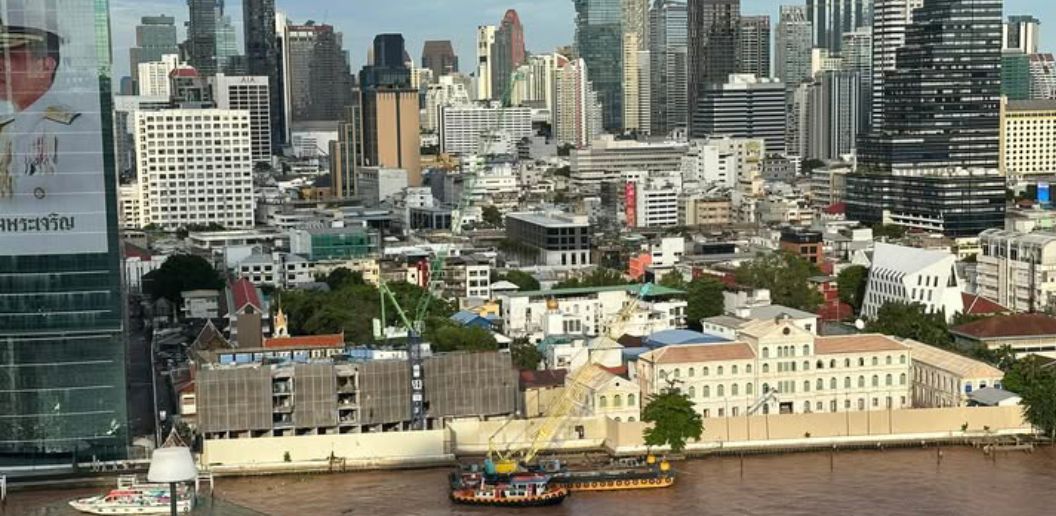
As 2026 unfolds, the historic waterfront of Bangkok is undergoing a metamorphosis that rivals the great riverside revivals of London and Paris. The architectural triumphs and heritage restorations—stretching from the Custom House to the East Asiatic Company building—are redefining the “River of Kings” for a modern era of global connoisseurs.
There is a particular clarity to the light on the Chao Phraya River during the late afternoons in March. Under sunny blue skies, the water shimmers with a golden hue, catching the white wake of a passing vessel as it cruises past the weathered teak piers of Bang Rak. For decades, this stretch of the river was defined by its storied past as a gateway for traders, diplomats, and royalty. Today, that history is being meticulously polished and reimagined.
A “River Renaissance” is currently in motion—a multi-billion baht transformation shifting the city’s luxury gravity from the commercial centers of Sukhumvit back to its historic liquid heart. This movement is defined not by glass-and-steel skyscrapers, but by the thoughtful restoration of 19th-century landmarks into the most exclusive hospitality addresses in Asia.
The Jewel of Bang Rak: The Langham, Custom House
The centerpiece of this revival is the anticipated late-2026 opening of The Langham, Custom House. Situated on the east bank in the vibrant Bang Rak district, the project serves as a masterclass in heritage conservation. The site revolves around the historic Old Custom House, a neo-Palladian masterpiece built in 1888 by architect Joachim Grassi.
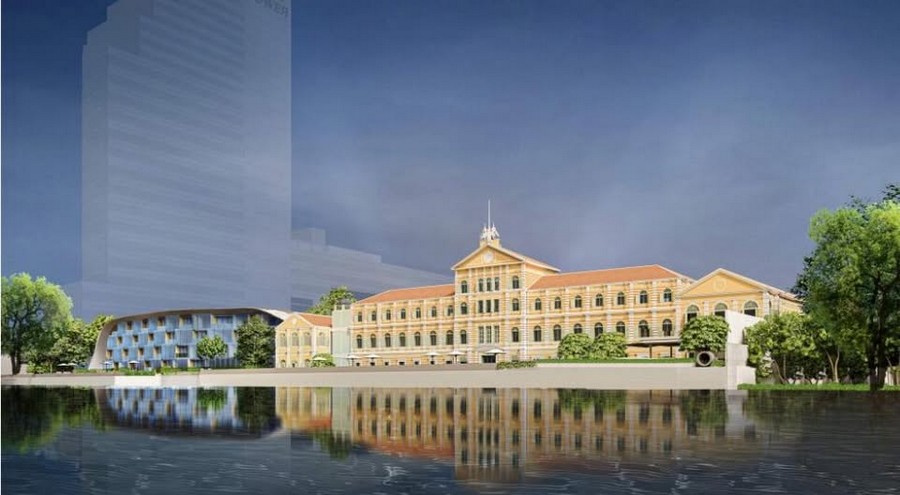
The arrival of the brand brings a lineage that predates even the Custom House itself. The Langham legacy began in London in 1865 as Europe’s first “Grand Hotel.” It was a marvel of Victorian innovation, featuring early forms of air-conditioning and the first hydraulic lifts in a hospitality setting. Since its debut, overseen by HRH the Prince of Wales, the brand has remained a pillar of British elegance, most notably for pioneering the tradition of luxury afternoon tea.
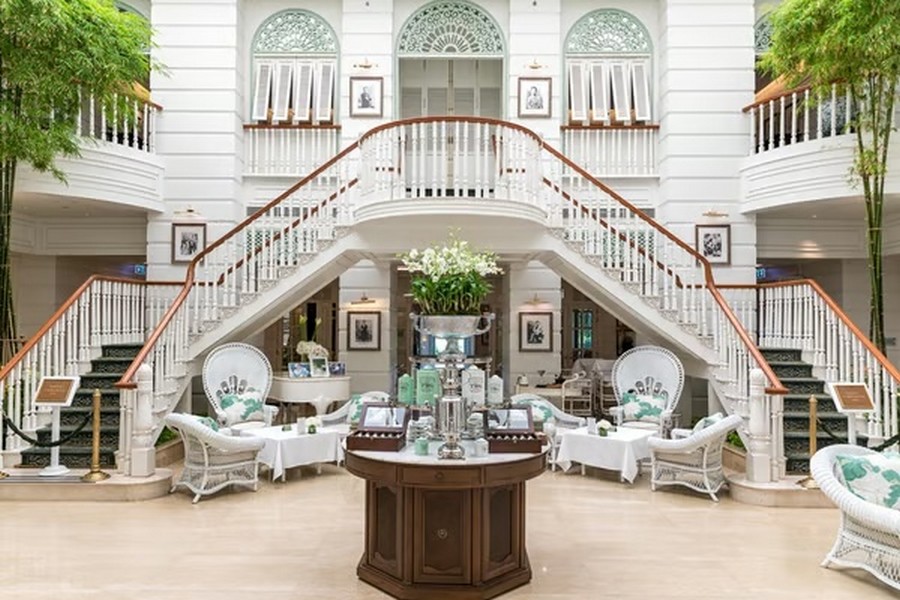
The restoration of the Bangkok site is surgical in its precision: the original teak floors, the grand central staircase, and the soaring four-story hallway are being preserved to their original 19th-century splendor. A modern riverside wing will house 78 guestrooms, designed with a discreet contemporary aesthetic that honors the Renaissance era of Siam while maintaining the sophisticated poise that has defined The Langham for over 160 years.
A Trifecta of Heritage: Plaza Athénée Nobu Hotel and Spa
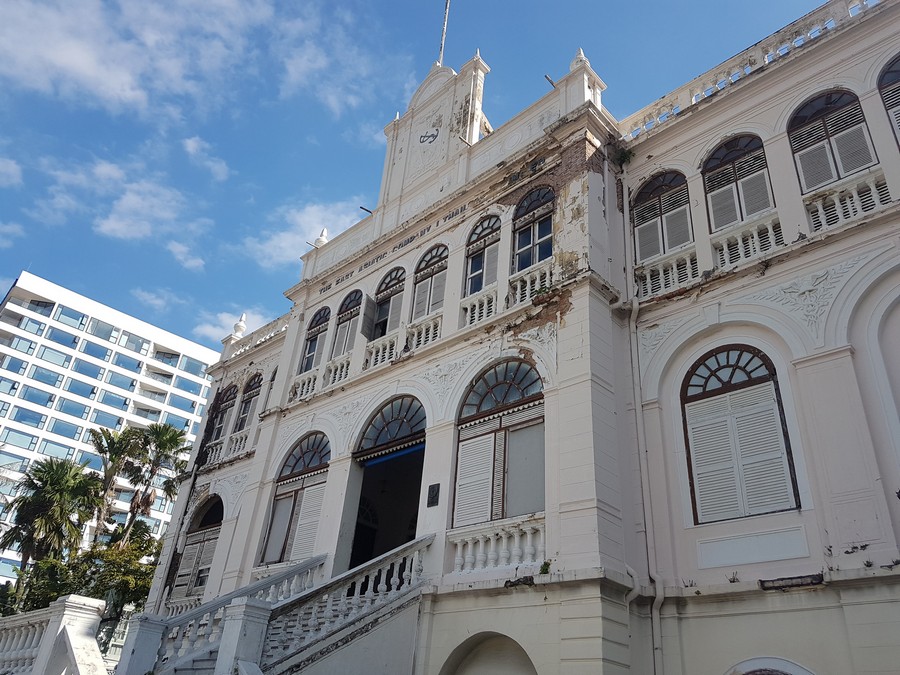
Just a short distance away, another icon is preparing for its second act. The East Asiatic Company (EAC) Building, a magnificent Renaissance Revival-style structure, stands as a testament to the river’s golden age of commerce. Registered as an official historical site, it was founded in 1884 by Captain Hans Niels Andersen—a visionary Danish mariner and entrepreneur. This building, once the nerves of a global trading empire, is being transformed into the Plaza Athénée Nobu Hotel and Spa Bangkok.
This project represents a profound synthesis of three distinct legacies:
The EAC Heritage: The sturdy masonry and arched windows of Captain Andersen’s original Danish headquarters remain the building’s “soul,” preserving the maritime ambition of 19th-century Siam.
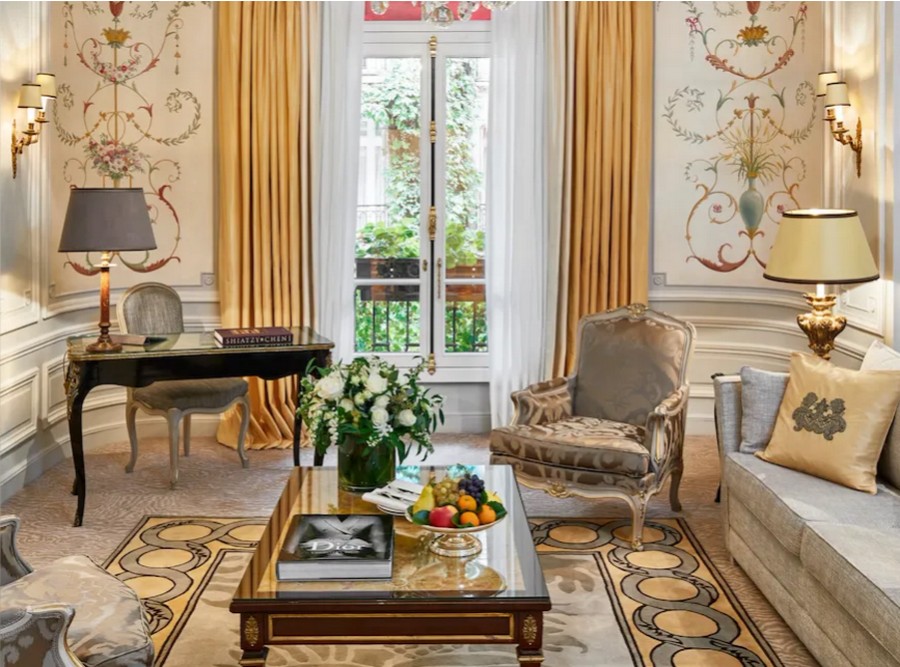
The Plaza Athénée Legacy: Originating in Paris in 1913 on the Avenue Montaigne, the brand is the ultimate icon of Haute Couture. Its history is inextricably linked to the world of fashion, serving as the preferred haunt of Christian Dior. The brand brings a century of Parisian “Art de Vivre” and refined elegance to the Bangkok riverfront.
The Nobu Evolution: Representing the modern era of luxury, the Nobu brand began as a single restaurant in 1994—a partnership between Chef Nobu Matsuhisa, Robert De Niro, and Meir Teper. Since launching its hospitality arm in 2013, Nobu has redefined the landscape through a fusion of Japanese minimalism and high-energy lifestyle luxury, rooted in the spirit of “kokoro” (heart and soul).
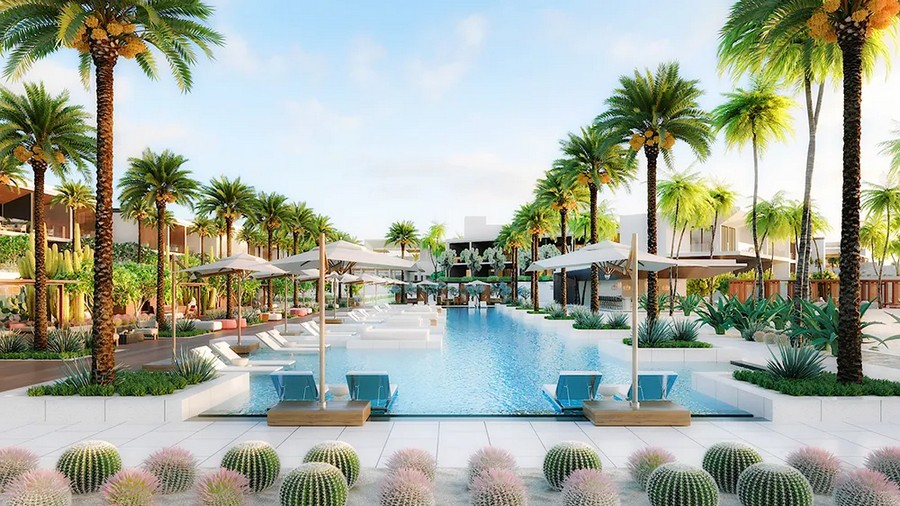
Nobu Las Cabos
The partnership between Asset World Corporation (AWC) and Nobu Hospitality ensures that this restoration preserves the building’s historical bones while introducing a minimalist aesthetic. This development is a critical link in a broader strategy to connect various AWC projects along the Chao Phraya, creating an integrated riverfront experience for both Thai residents and international visitors.
The Soul of the Creative District
The reimagining of the river extends beyond hotel walls. The surrounding Bang Rak and Charoen Krung neighborhoods—collectively known as the Creative District—have become the cultural lungs of Bangkok.
The revival has sparked an organic growth that respects the local community. Small alleys are now home to hidden galleries, artisanal coffee roasters, and boutiques housed in restored shophouses. This proximity to the authentic heart of the city is a primary draw for the modern traveler. This growth is anchored by the presence of established giants like the Mandarin Oriental, Bangkok, which celebrates its 150th anniversary this year. The “Grand Dame” of the river continues to set the standard, recently unveiling refreshed suites and the acclaimed Baan Phraya fine-dining experience.
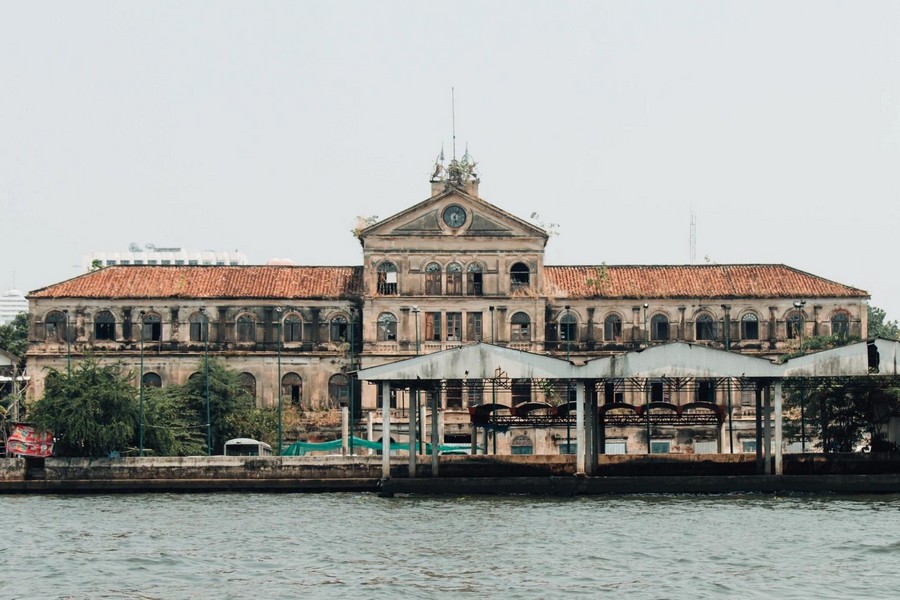
Customs House
The compelling nature of this riverside transformation lies in the sense of permanence. Unlike the fleeting trends of the central business district, the river offers a connection to the very origins of Bangkok.
To cruise the Chao Phraya in 2026 is to witness a city that has found the balance between its past and its future. From the serene, teak-clad halls of the Custom House to the maritime history of the EAC building, the river is no longer just a backdrop—it is the destination. As the final months of the year approach and these landmarks prepare for their grand unveiling, it is clear that the “River of Kings” has reclaimed its throne. For those who seek a lifestyle defined by heritage, craftsmanship, and a deep sense of place, the waterfront is the only place to be.