

The 47th Bangkok International Motor Show raises the bar once more, presenting a dazzling convergence of automotive artistry, electric ambition, and sheer mechanical theatre at IMPACT Muang Thong Thani.
There are certain events that define the cultural tempo of a city, and for Bangkok, the annual International Motor Show is unequivocally one of them. The 47th edition, which ran from March 25 to April 5, 2026, at IMPACT Challenger Halls 1 through 3, was nothing short of a masterclass in automotive vision. Under the arresting theme “THE ICONIC SYNCHRONICITY – The Context of Flawless Mobility,” this year’s show arrived at a pivotal moment for the industry – one defined by the seamless collision of heritage craftsmanship and electric innovation.
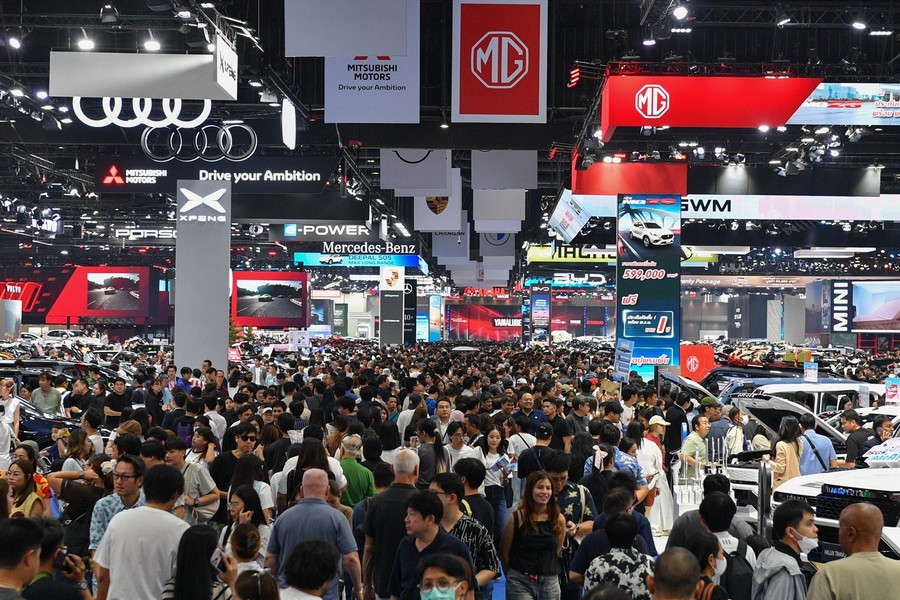
Forty-five automotive and motorcycle marques occupied the vast, climate-cooled halls, with 37 car manufacturers and 8 motorcycle companies each vying for the attention of Thailand’s increasingly discerning motoring audience. More than ten new model launches punctuated the event’s opening days, spanning both electric vehicles and refined internal combustion masterpieces, making clear that the future of driving is not a singular path but a beautifully forked road.
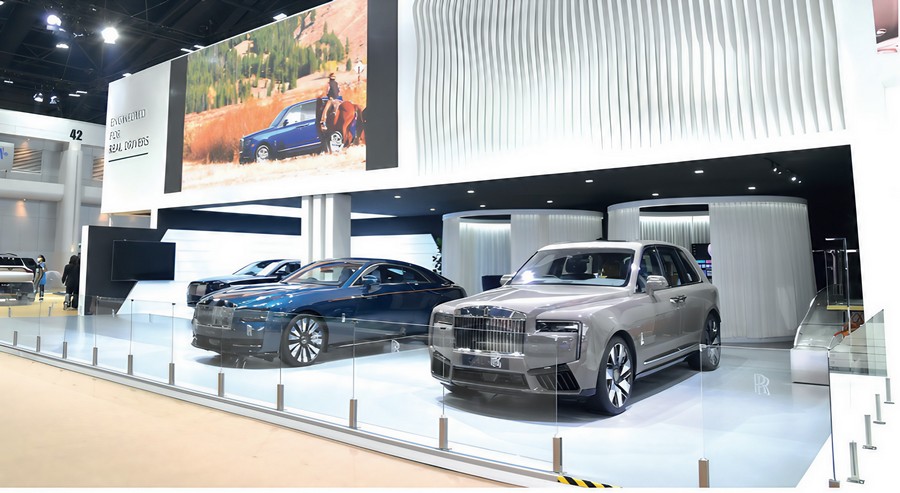
At the pinnacle of prestige, the Rolls-Royce stand drew quiet reverence from all who passed. Bathed in a composed, gallery-like setting of white and silver, the Ghost – presented in a commanding deep midnight blue – commanded its space with the effortless authority that only a century of bespoke engineering can bestow. Accompanied by the Spectre coupé, Rolls-Royce’s first fully electric motor car, the stand was a study in contrasts: the thunder of tradition set alongside the near-silent promise of tomorrow.
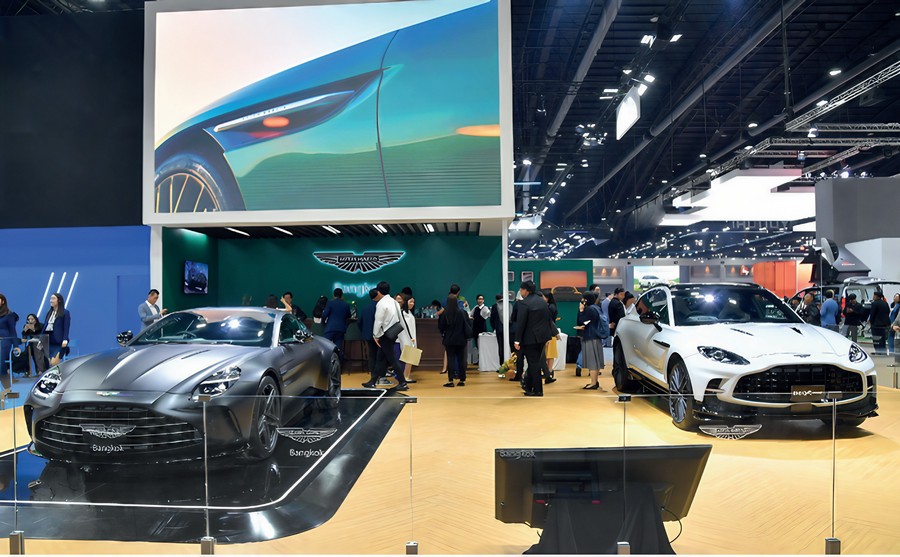
Aston Martin, occupying one of the show’s most visually arresting corners, presented its DB12 in both a brooding stealth grey and a luminous white – twin expressions of a marque that has always understood beauty as performance. The emerald-toned stand, aglow beneath dramatic exhibition lighting, reminded visitors that there is still something irreplaceable about the grand tourer: a car built not simply to transport, but to transform every journey into an occasion.
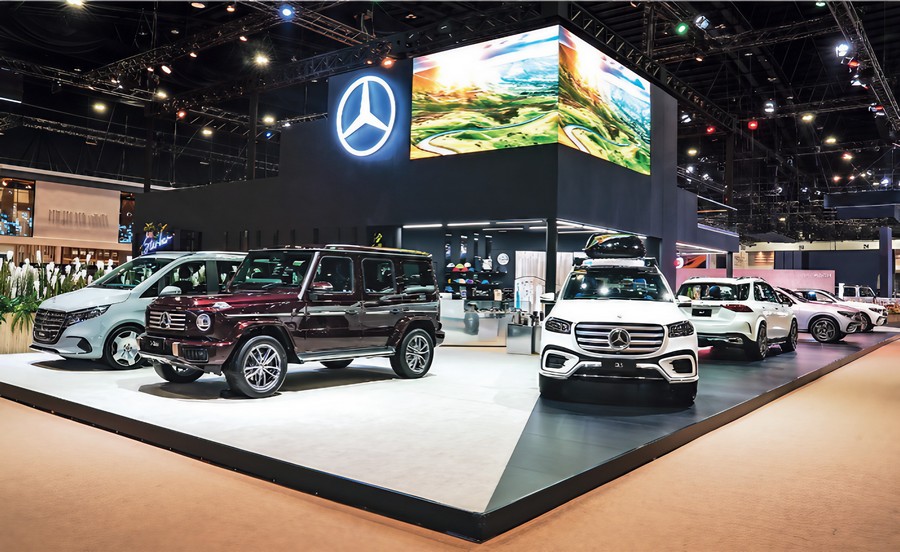
Mercedes-Benz arrived in characteristically comprehensive fashion. The iconic G-Class – finished in a rich burgundy that somehow made it feel less rugged and altogether more covetable – anchored a stand that also showcased the GLS and a forthcoming EQ variant. Nearby, the Mercedes-AMG SL Roadster was displayed on a vivid, artist-painted platform that elevated the car from mere automobile to sculptural object. It is, after all, the automotive equivalent of couture.
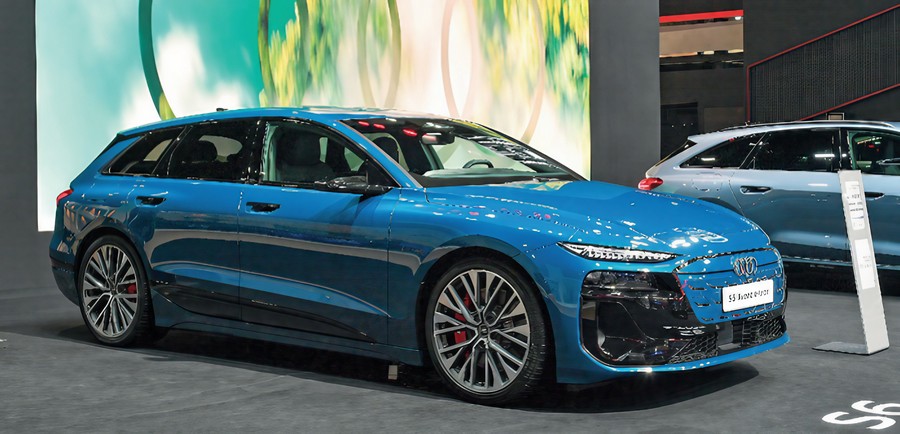
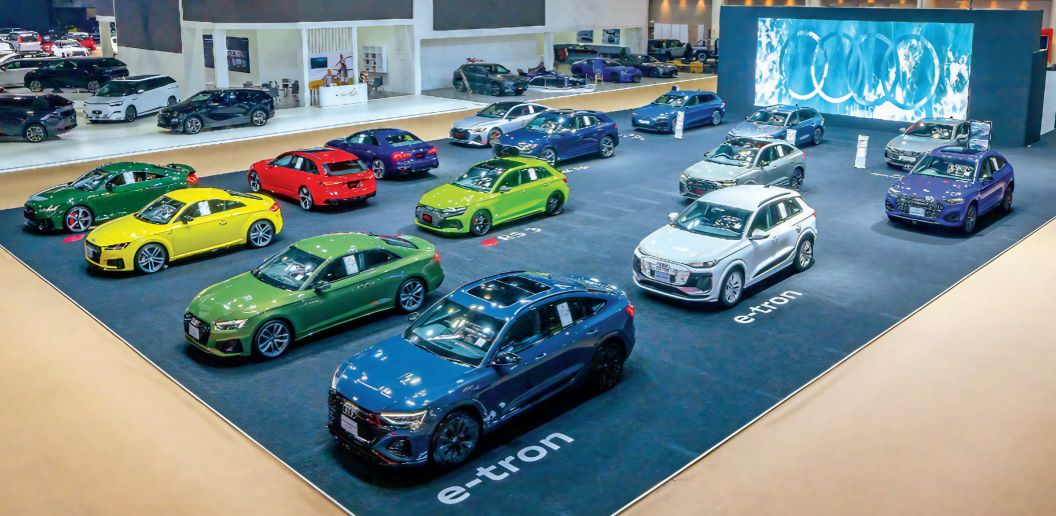
Audi’s contribution was impossible to overlook – quite literally. A brilliant aerial view of their hall space revealed a full chromatic spectrum of the four-ring brand’s current lineup, arranged with the precision of a colour-blocked fashion runway. From TT coupés in vivid yellow and racing green to the quietly imposing e-tron SUV range, it was a statement that luxury electrification need not arrive in shades of grey. Mazda, meanwhile, offered a glimpse of a red concept sports car alongside a sophisticated new sedan, framed by an immersive interior display of the brand’s next-generation cockpit design – a presentation that reinforced Japan’s enduring claim on the idea of ‘driving joy.’
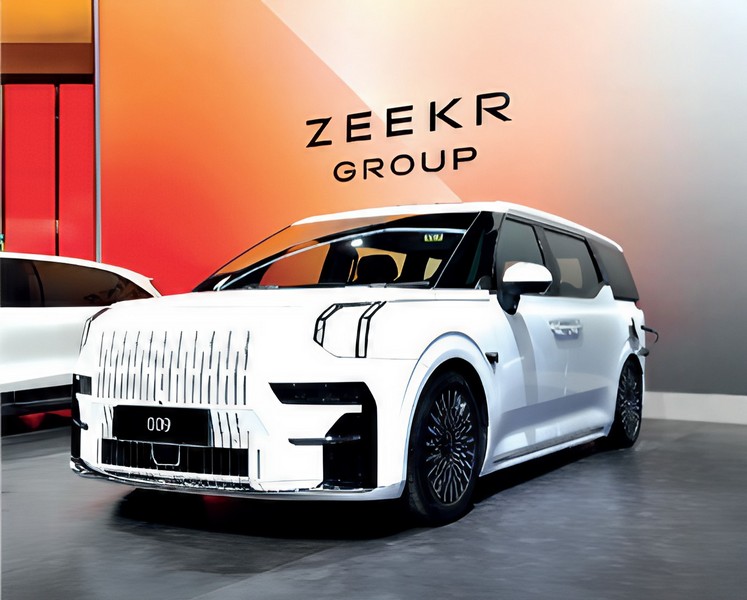
The show’s most significant narrative, however, belonged to the electric insurgency reshaping the Thai automotive landscape. For the first time, brands including CHERY, LEPAS, FIREFLY, FORTHING, and TESLA joined the Motor Show fold, their presence a clear signal of confidence in Thailand’s appetite for modern mobility. GAC presented its dramatic HYPER MPV – a bold, angular vision of the premium people-carrier reimagined for a new generation – while Isuzu unveiled a commanding new SUV that hinted strongly at a brand repositioning toward younger, style-conscious buyers.
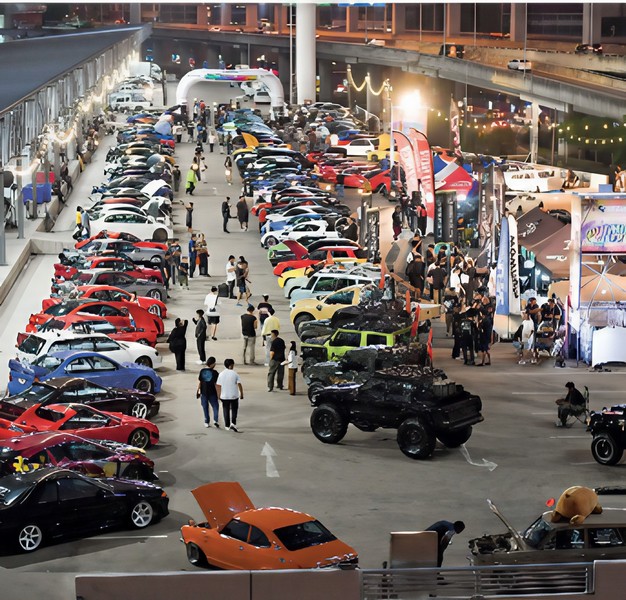
Away from the main halls, the outdoor JDM & Custom Culture event lent the show an exhilarating after-dark energy. The Loading Area behind Challenger 1 to 3 transformed across two evenings into a cathedral of car culture, with over 200 of Thailand’s finest custom and collector vehicles lining up beneath the elevated expressway, their owners and admirers drifting through in the warm March air. It was a reminder that the love of automobiles transcends market segments and price points.
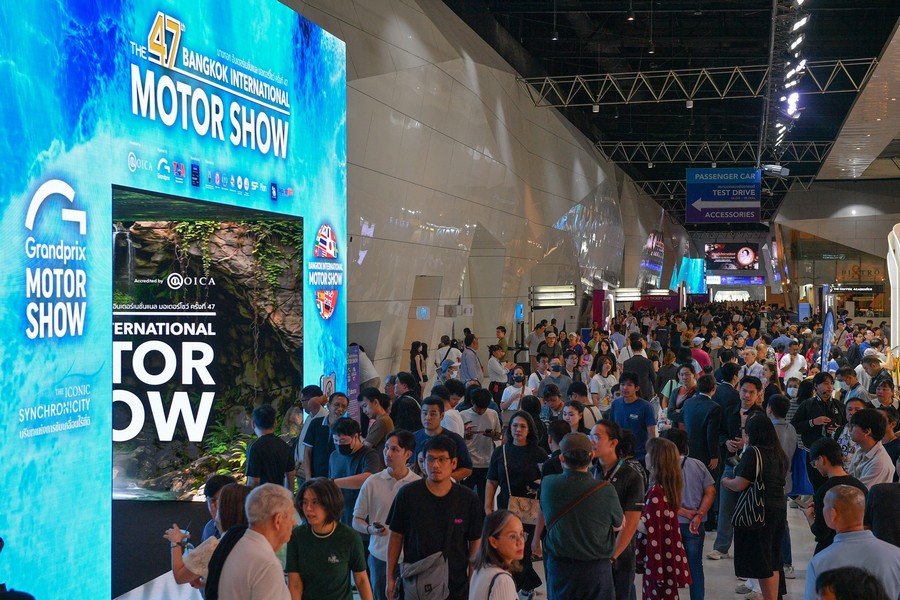
Across its twelve days, the 47th Bangkok International Motor Show attracted in excess of 3,000 registered media, influencers, and content creators – a figure that underscores the event’s role not merely as a sales platform, but as one of Southeast Asia’s most powerful media moments. Organisers projected a ten percent increase in revenue over the previous year, a reflection of both consumer confidence and the automotive industry’s quiet but determined momentum.
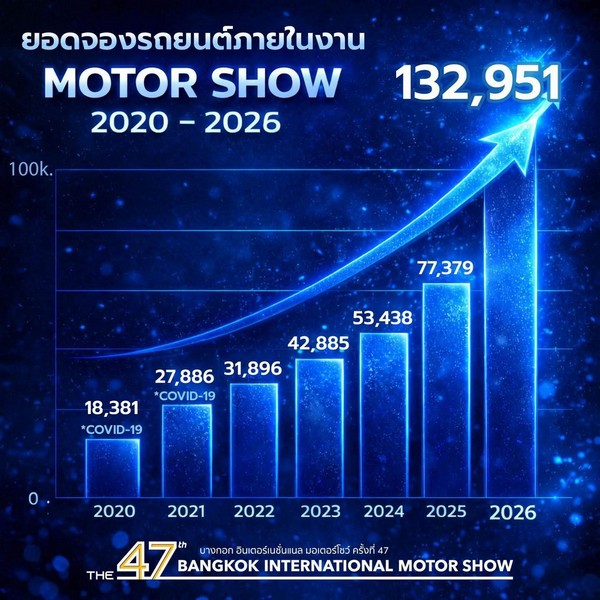
The Bangkok International Motor Show has long been a barometer of the Thai economy’s ambitions and its people’s passions. In 2026, it felt like something more: a declaration that this city, and this country, are ready to drive into whatever comes next – with style, with confidence, and with exceptional taste.