

Across continents and cultures, Fairmont is leaning into a new era of luxury travel — one where the destination matters, certainly, but the memory is shaped just as much by what happens after check-in.
Luxury hospitality has been moving in an unmistakable direction for some time now. Bigger suites still matter. Heritage still matters. Flawless service always will. But increasingly, what truly distinguishes a great stay from a merely beautiful one is the experience wrapped around it — the moment that cannot be replicated, the setting that belongs to one place alone, and the sense that the hotel has become not just where the journey begins, but the reason for taking it in the first place.
That shift sits at the heart of Fairmont Hotels & Resorts’ latest evolution of its “Special Happens…” series, a global collection of experiences designed to transform a stay into something more cinematic, more place-specific, and more emotionally resonant. Rather than offering luxury in the old, static sense, Fairmont’s newest portfolio leans into immersion: the wild, the nocturnal, the cultural, and the deeply sensory. It is a philosophy that understands today’s affluent traveller is not simply collecting destinations, but curating stories.
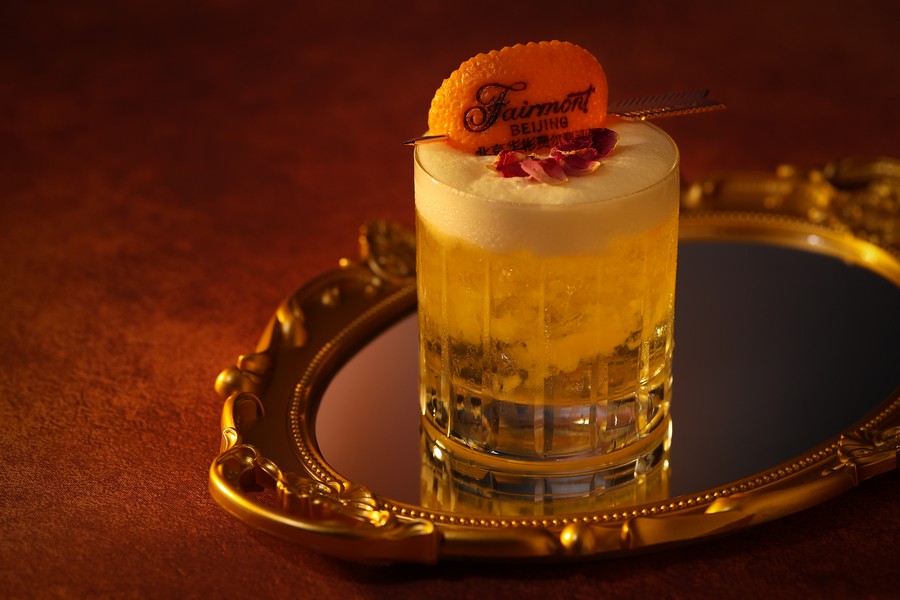
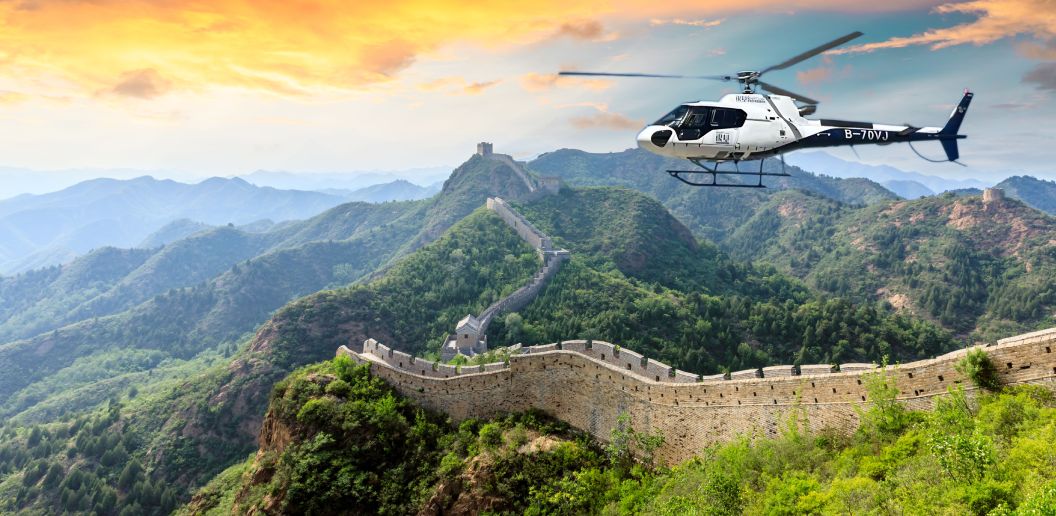
The new experiences unfold across four thematic worlds — After Dark, In the Wild, Around the Table, and In the Spotlight — and what makes them compelling is not their extravagance alone, but the way they are rooted in the identity of each destination. This is luxury with a local accent. In Beijing, that means seeing one of the planet’s most legendary landmarks from the air, then returning to a world of polished urban hospitality, private mixology, and dinner as performance. At Fairmont Beijing, guests can pair a helicopter journey over the Great Wall with a stay in Fairmont Gold accommodation, lounge privileges, a bespoke cocktail masterclass, and a curated dining experience at CUT by Chef Peter Kang. The effect is one of layered indulgence: history, altitude, privacy, and culinary theatre delivered in a single seamless arc.
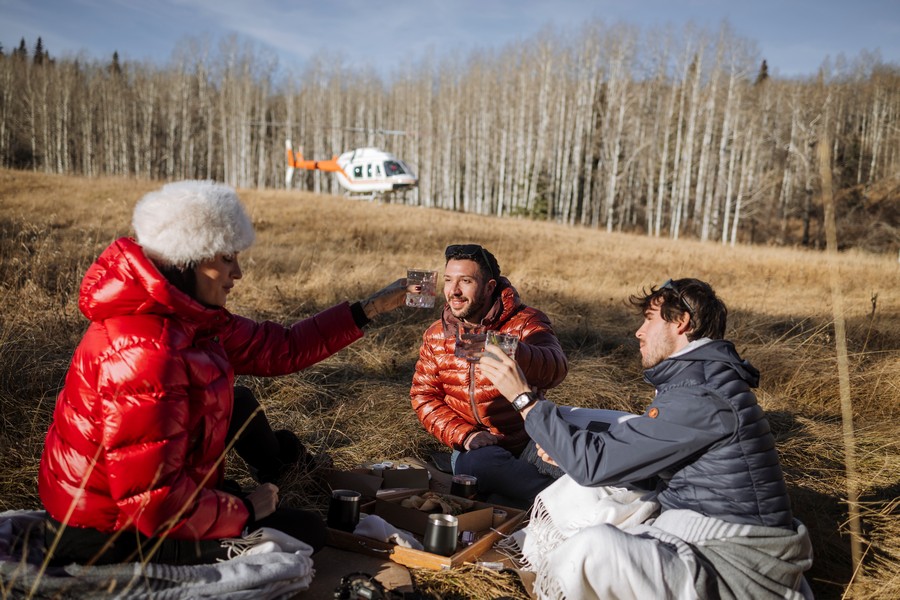
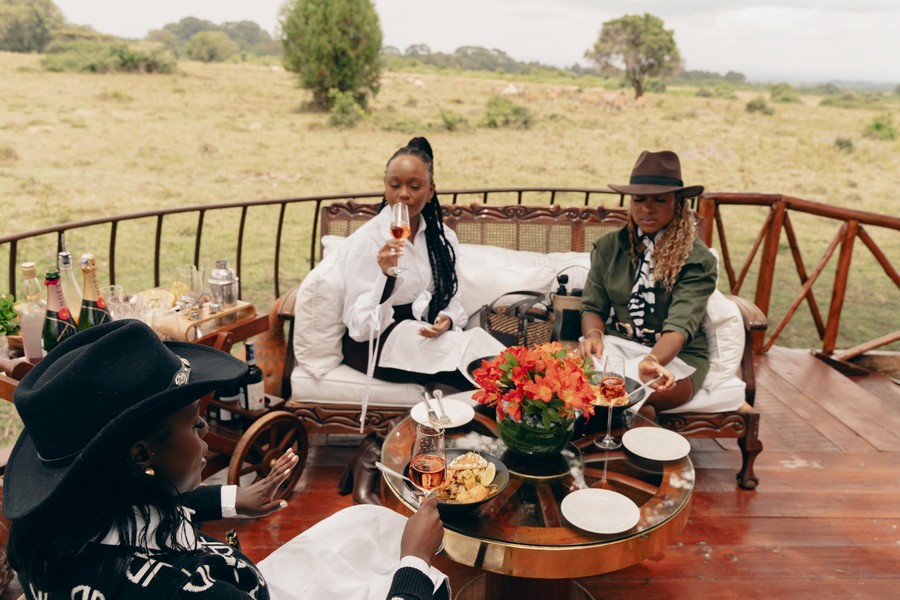
Elsewhere, the brand’s “In the Wild” experiences reveal how powerfully luxury can connect with landscape when it is handled with restraint and imagination. At Fairmont Jasper Park Lodge in Canada, an Indigenous-led helicopter and culinary journey brings guests into the grandeur of the Rockies with local Knowledge Keeper Lauren Moberly, blending flight, foraging, and a chef-prepared dinner shaped by the day’s discoveries. In Kenya, Fairmont Mount Kenya Safari Club takes a quieter but no less compelling approach. There, a guided walk through the Mount Kenya Wildlife Conservancy leads to a secluded acacia deck where wildlife gathers against a dramatic highland backdrop, culminating in an elegant dining moment that feels as though it has emerged from the landscape itself. These are not safari clichés or wilderness theatrics. They are carefully composed encounters with place, elevated by the confidence to let nature remain the star.
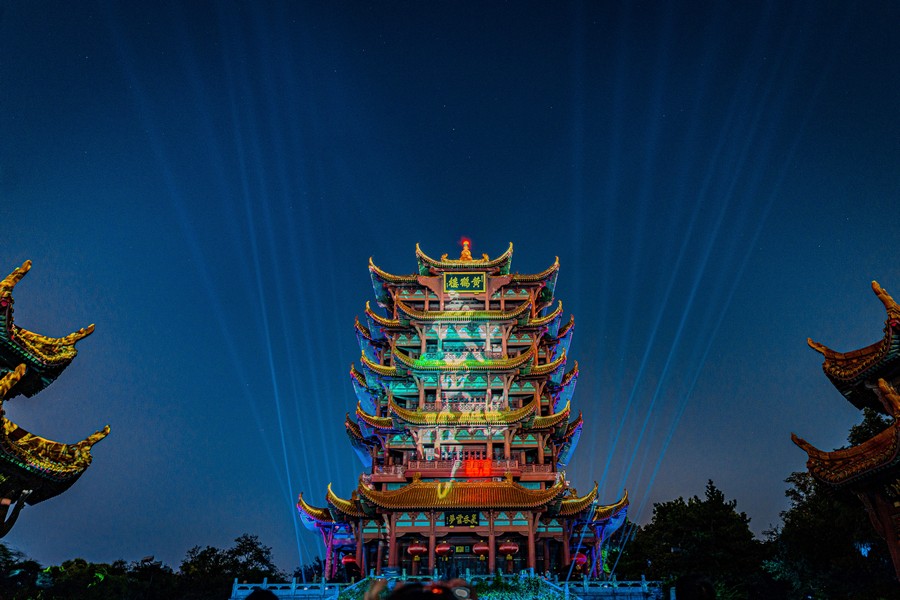
Then there is night — that endlessly seductive canvas for hotels that understand mood. Fairmont’s newest After Dark offerings tap into the romance, mystery, and intimacy that only evening can provide. In Wuhan, guests are invited into the poetry of the city through a night tour of the Yellow Crane Tower while dressed in traditional Hanfu, complete with chauffeured arrival, immersive light and sound, and a personal photographer to capture the occasion. It is heritage, but staged with glamour. In Tangier, a single date — August 12 — becomes the focal point for an eclipse evening on the terrace at Fairmont Tazi Palace, with jazz, celestial cocktails, and the Moroccan sky itself providing the drama. Meanwhile, in St Andrews, Scotland’s east coast turns skyward through a celestial overnight centred around a secluded observation dome, telescope-led stargazing, a private chef experience, rare whisky, and late-night indulgence back at the hotel. Each experience understands something essential: darkness can be as luxurious as daylight, especially when paired with ritual, atmosphere, and a little sense of occasion.
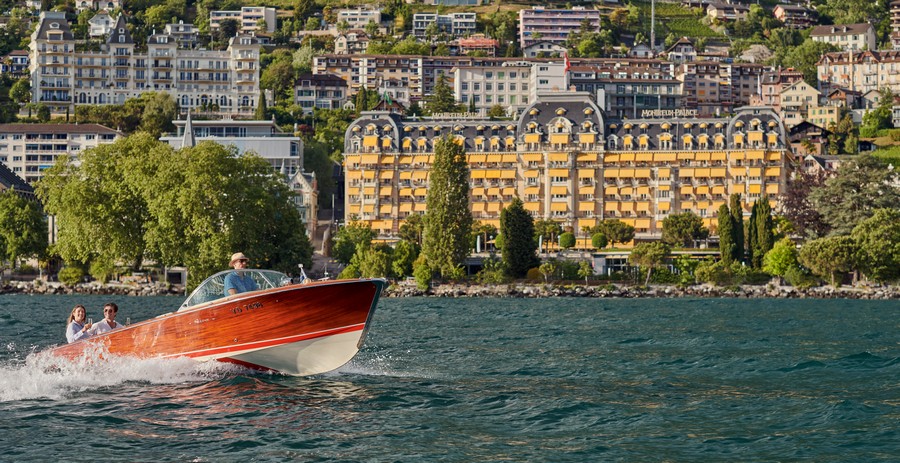
Fairmont has also wisely resisted the temptation to confine “special” to spectacle alone. Some of the most enduring experiences in the collection are intimate, cultural, and quietly transporting. Under the In the Spotlight umbrella, guests can step into the private chalet of Montreux Jazz Festival founder Claude Nobs at Fairmont Le Montreux Palace, a rare invitation into music history ordinarily closed to the public. In Jaipur, a village-centred journey offers artisan workshops, walks, camel rides, and meaningful community connection, while in Marrakech, sunrise begins in a hot-air balloon before the day descends into the souks and workshops of the Medina. These are the sorts of experiences that affluent travellers increasingly seek out: access, yes, but also texture, humanity, and the feeling of having brushed against the authentic pulse of a destination rather than merely admired it from behind glass.
Food, naturally, remains one of luxury travel’s most irresistible languages, and Fairmont’s Around the Table experiences recognize just how emotionally charged dining can be when it is woven into setting and ceremony. In Seoul, romance is shaped into a K-culture-inspired proposal over a six-course dinner at Mariposa, where floral design and the soundtrack of beloved Korean love stories create a highly stylised sense of occasion. In Hawai‘i, the Ali‘i Imu Experience at Fairmont Kea Lani blends garden foraging, a sunset canoe voyage, and a torchlit beachfront feast animated by hula and ancestral tradition. Nearby at Fairmont Orchid, chocolate is turned into a full-bodied narrative, tracing its path from local cacao farms to custom creation before concluding in a spa treatment that feels more decadent than dessert. What ties these experiences together is not simply gastronomy, but hospitality’s ability to turn a meal into memory.
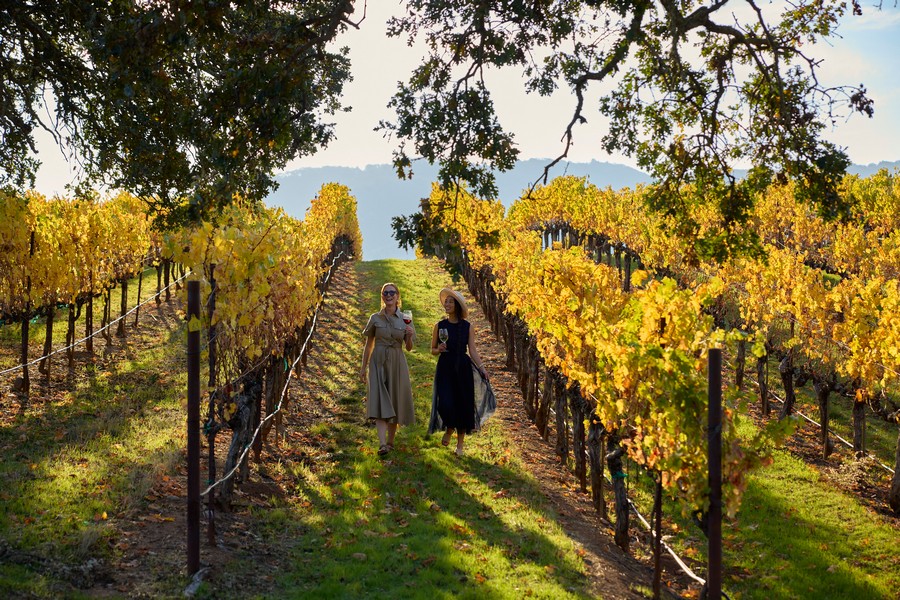
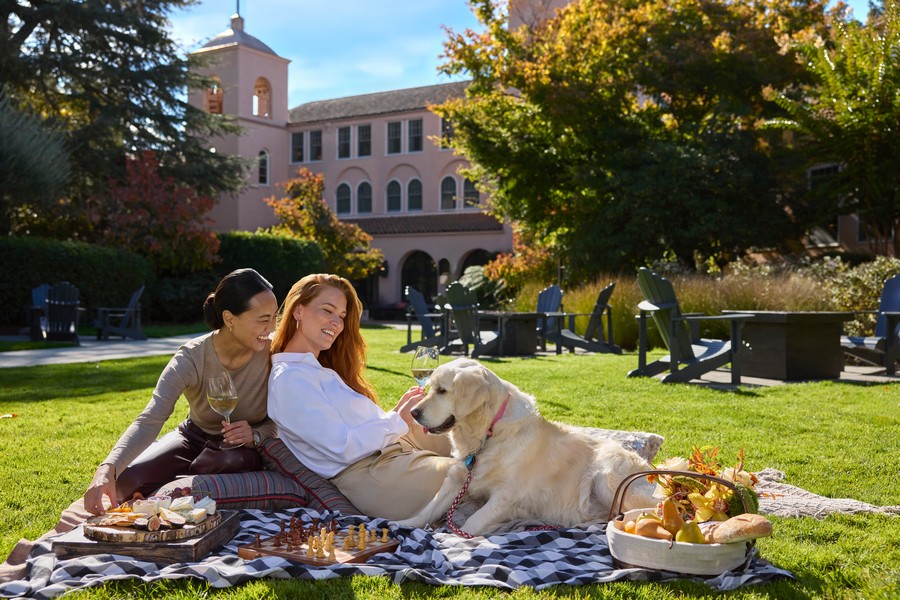
There are, too, quieter expressions of the same philosophy. At Fairmont Sonoma Mission Inn & Spa, an after-hours immersion in geothermal waters under the night sky reframes wellness as intimacy and seclusion. At Fairmont Mumbai, advanced recovery technologies such as cryotherapy and hyperbaric oxygen are balanced with older healing traditions, addressing one of modern luxury travel’s most valuable currencies: restoration. Increasingly, travellers are not only asking where they can go, but how they will feel when they return. Fairmont seems to understand that rejuvenation, like celebration, is now part of the premium equation.
What emerges from the collection as a whole is a portrait of a brand evolving intelligently rather than theatrically. Fairmont is not abandoning grandeur; it is refining it. The company’s long heritage — spanning back to 1907 and today expressed across a portfolio of 97 hotels worldwide — gives it the confidence to move beyond traditional luxury codes and toward something more experiential, more emotional, and more attuned to the traveller who values rarity over routine. The room still matters. The setting still matters. But increasingly, the defining luxury is the story that unfolds between the two.